
Redispersible Polymer Powder
RDP/VAE for Dry-Mix Mortar Formulations
RDP redisperses in water and forms a polymer film as the mortar dries. A candidate grade should be chosen around the application, binder system, exposure conditions and the tests the finished mortar has to pass — the powder name alone does not guarantee performance.
TDS, SDS and batch COA are issued on request for the agreed grade or the supplied lot.
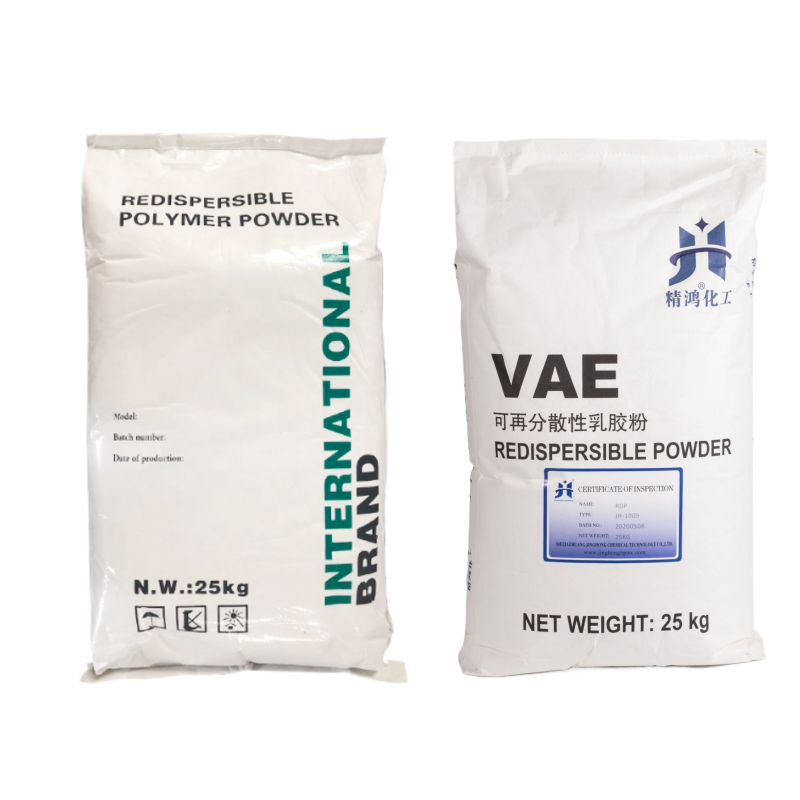
Core role in the mix
Four mechanisms RDP can support — and what still has to be verified
Redispersible polymer powder is produced by spray-drying a polymer emulsion with a protective colloid. In a compatible dry-mix formulation the redispersed polymer may contribute to film formation, bond and cohesion, flexibility and surface durability. Each of these is a property of the finished mortar, not of the powder on its own.
01
Film Formation
Polymer particles redisperse when water is added and coalesce into a film as the mortar dries. Film quality depends on the grade, ambient and substrate temperature, water demand and curing.
Verify: film continuity and the minimum film-forming temperature that applies to your site conditions.
02
Adhesion & Cohesion
Polymer bridges between binder, filler and substrate may support bond strength and internal cohesion. Results move with the substrate, surface preparation and water/cement ratio.
Verify: adhesion on the real substrate and record the failure mode, not a single strength number.
03
Flexibility & Toughness
Polymer modification may reduce brittleness and raise deformation capacity in the hardened matrix. How much matters depends on movement, substrate and service exposure.
Verify: deformation, flexural or impact targets required by the specification in force.
04
Abrasion & Exposure Checks
Surface wear, powdering and conditioned durability are system properties. They respond to binder level, filler grading, cellulose ether and curing as much as to the polymer.
Verify: abrasion or powdering plus any wet, heat or freeze–thaw conditioning your market requires.
No grade is a performance guarantee. Final behaviour depends on the complete formulation, dosage, water demand, mixing sequence, curing and test method — so treat every statement above as a property to be confirmed in your own mortar.
Application fit
Choose the grade from the application, not the powder name
The same RDP chemistry can behave differently across mortar types. Start with what the system has to do, then shortlist grades that were built for that behaviour and confirm them in a trial mix.
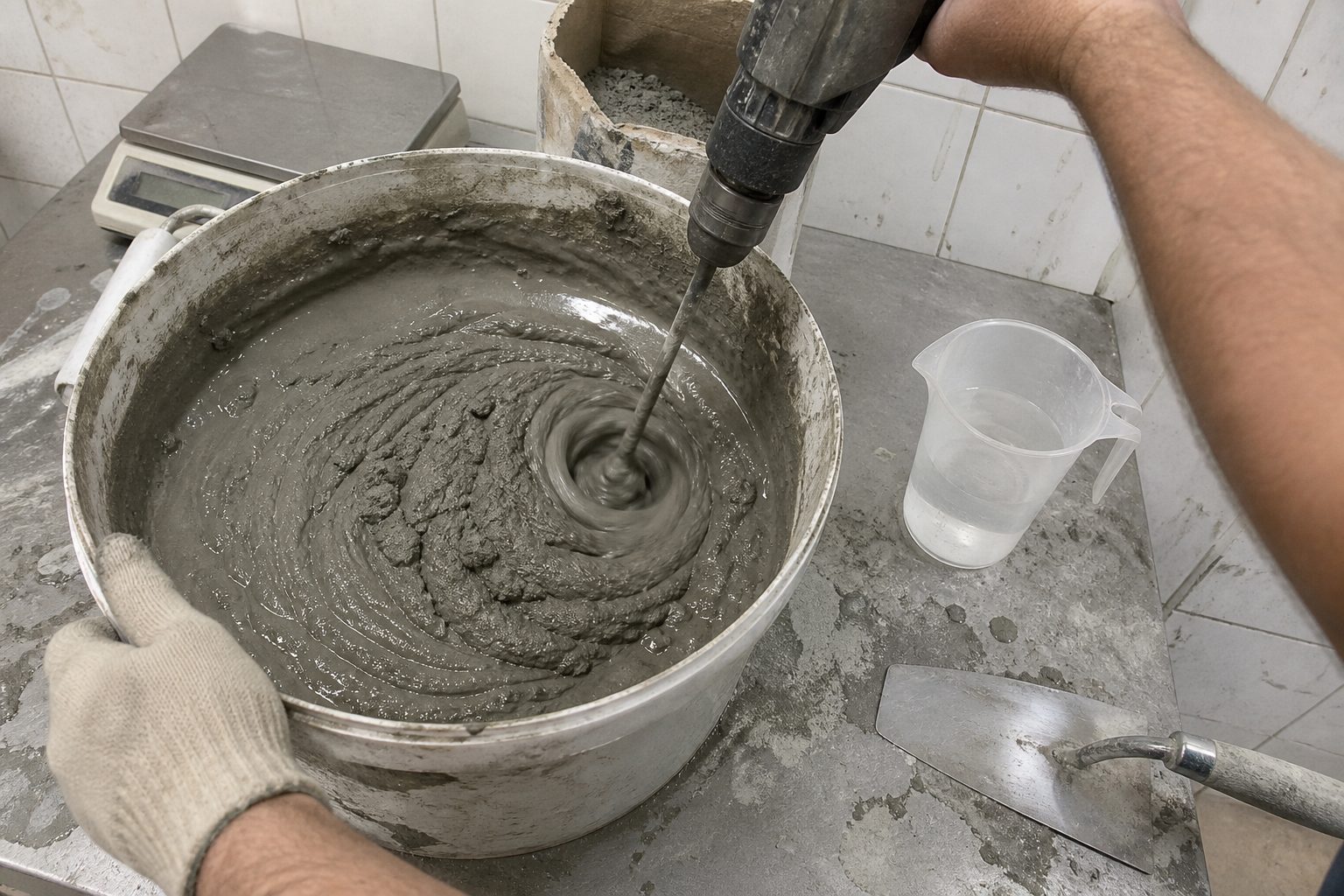
Dry-Mix Mortar
Defined by the mortar category, binder and the adhesion, cohesion or flexibility target it must reach after curing. Diagnose the failure first, then adjust polymer modification.
Explore dry-mix mortar RDP →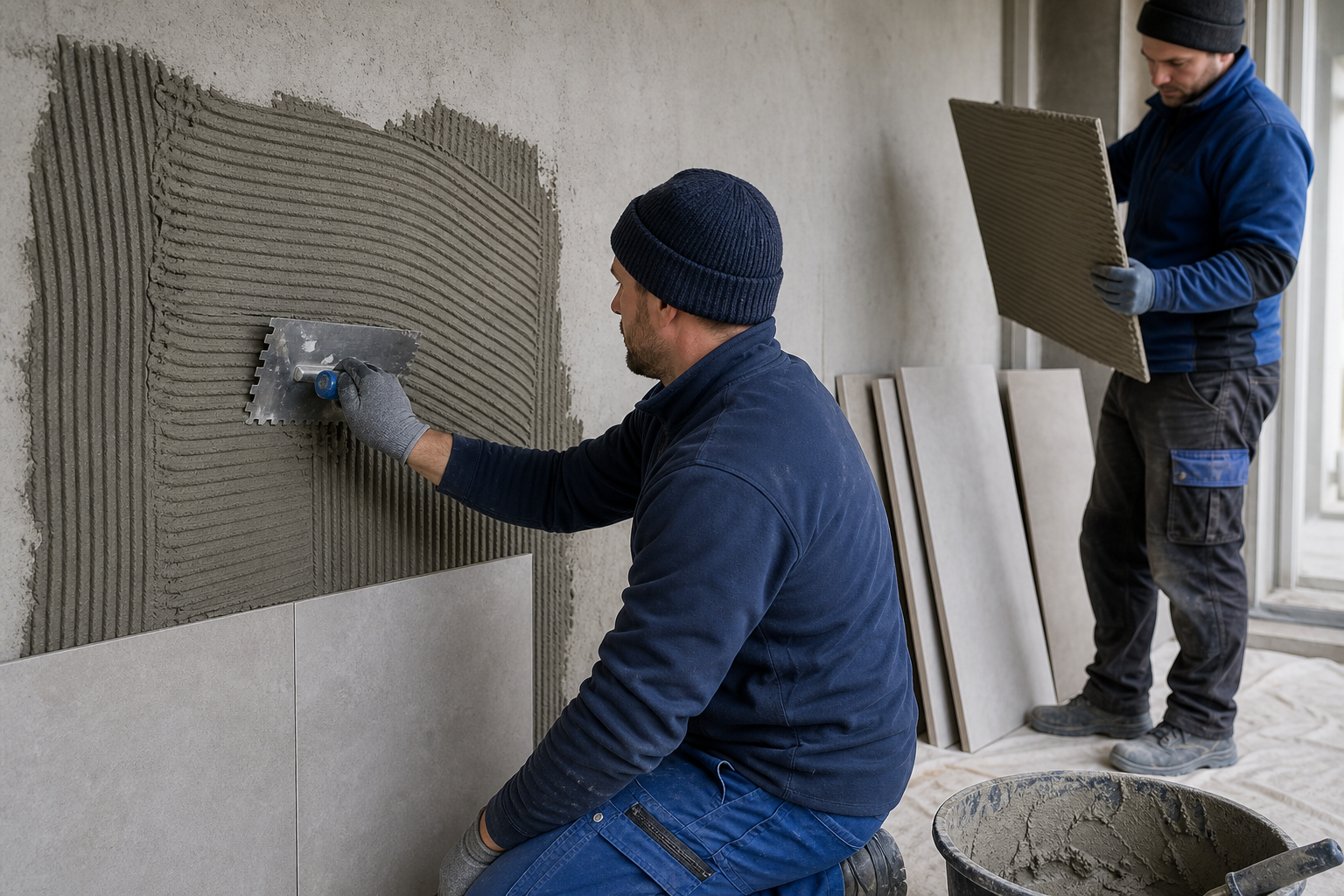
Tile Adhesive
Bond strength, open time and deformation are tested around the tile type, substrate and installation environment — including conditioned storage where required.
Explore tile adhesive RDP →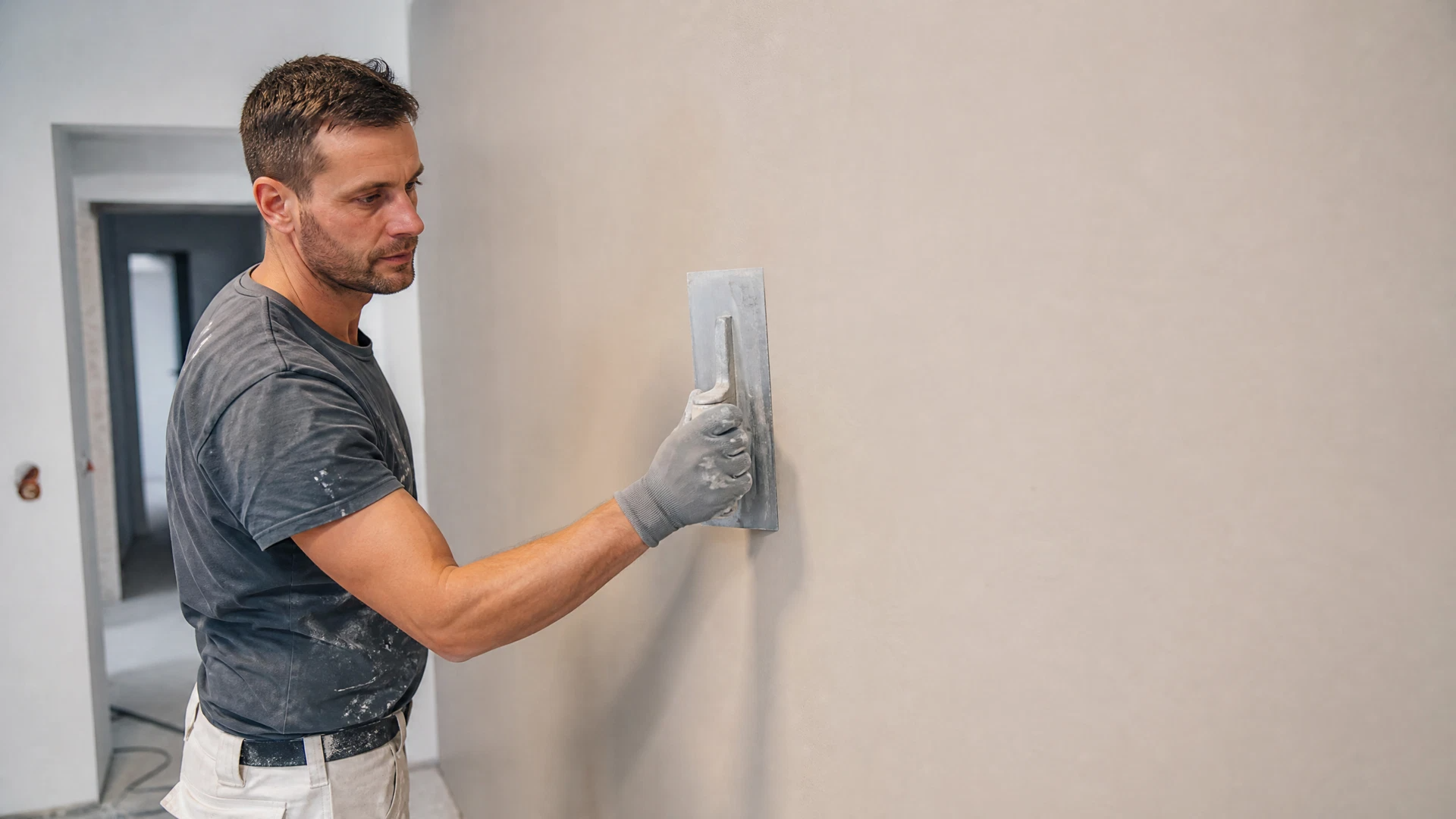
Wall Putty & Skim Coat
Workability, adhesion, powdering and abrasion resistance decide whether the coat survives handling and recoating.
Explore wall putty RDP →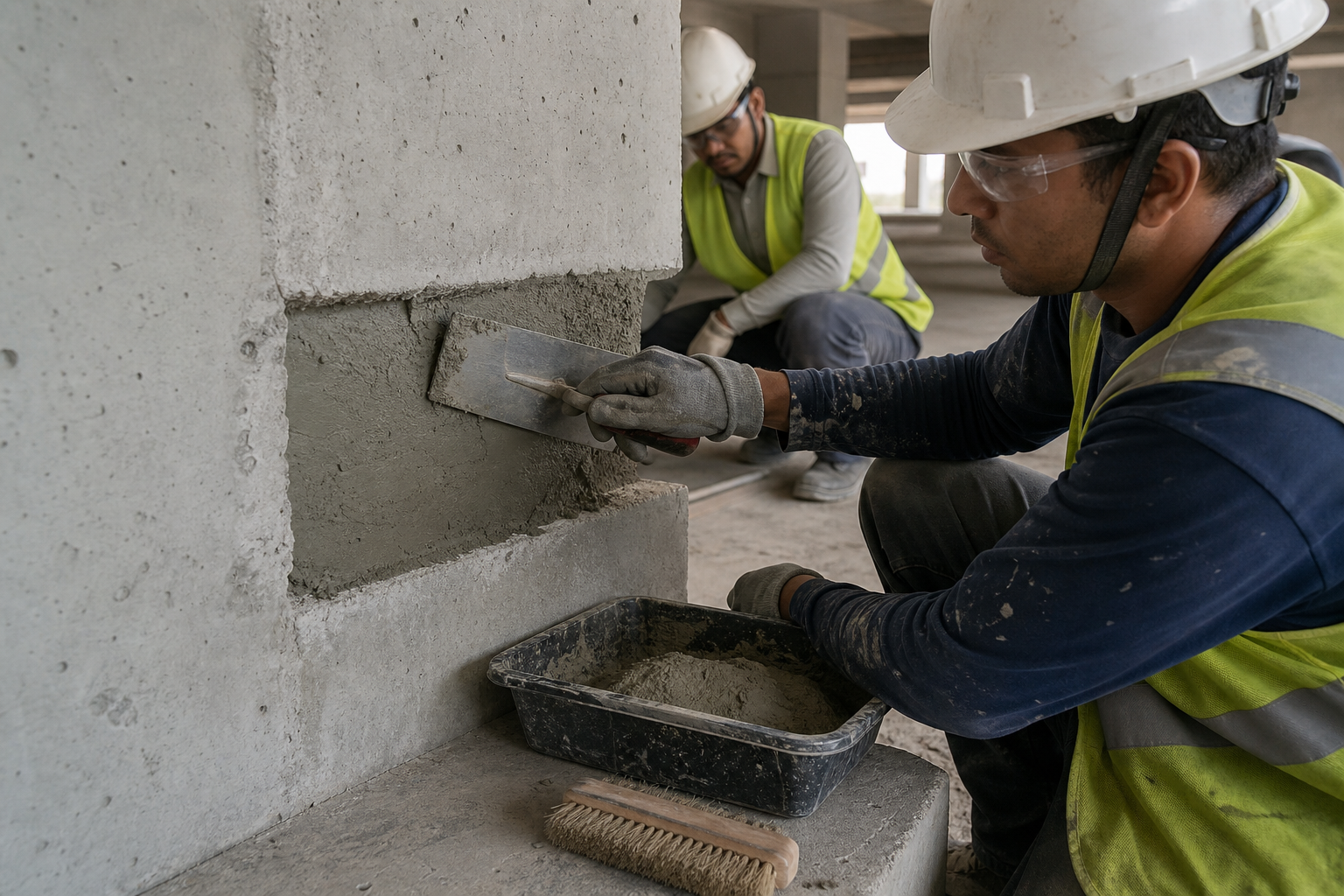
Repair Mortar
Substrate bond, layer thickness, shrinkage-related cracking and exposure control the trial design.
Explore repair mortar RDP →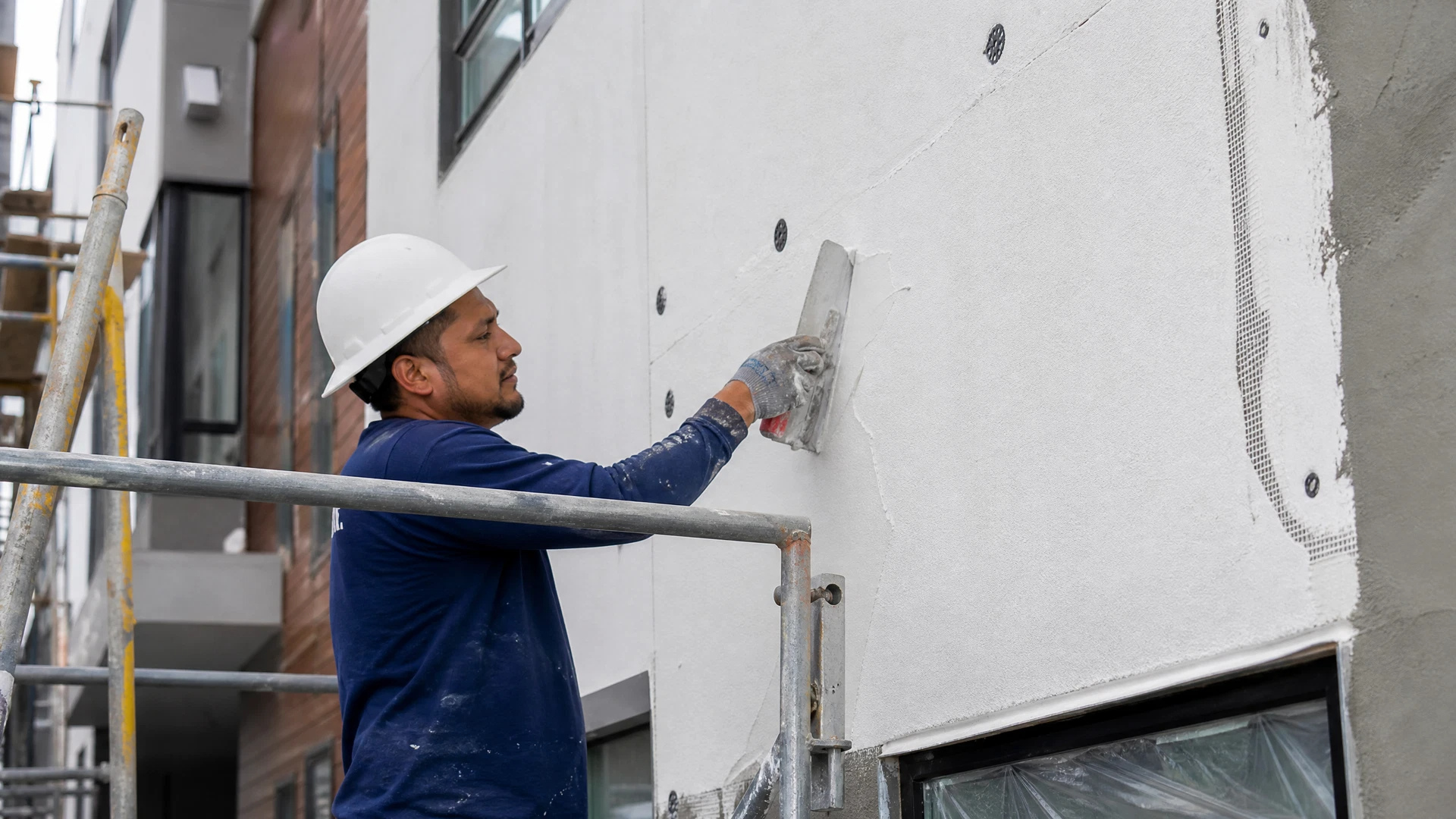
EIFS & External Insulation
Board bonding and reinforced base-coat behaviour are judged as part of the complete insulated wall system.
Explore EIFS mortar RDP →Grade selection & sample validation
A shortlist you can defend with data, not a data sheet alone
Four steps take you from application to a grade decision. The trial mix is where the decision is actually made.
Application & substrate
Define the mortar type, the substrate it bonds to, the layer thickness and the exposure it will see. Note the failure you are trying to fix: debonding, cracking, powdering, poor flexibility or low green strength.
Binder, fillers & cellulose ether
Record the cement or gypsum binder, filler grading, lightweight aggregates, cellulose ether and any starch or fibre. These control water demand and rheology, and they change how the polymer behaves.
Candidate-grade shortlist
Shortlist two or three grades against the application and required film behaviour. Ask for the TDS of each grade — not a generic powder description — before deciding what to trial.
Controlled mortar testing
Run the candidates side by side with your current product as the control, at a fixed water/binder ratio, mixing sequence, curing and test method. Change one variable at a time.

What the trial should record
- Adhesion value and failure mode (adhesive or cohesive)
- Deformation or flexibility against the required class
- Abrasion or powdering where the surface is exposed
- Conditioned performance where the standard demands it (wet, heat, freeze–thaw)
- Water demand, workability and open time at the same solids
Documents, traceability & packing
The paperwork follows the grade and the batch
Documents are issued for the product you actually evaluate and the lot you actually receive. Each item is confirmed on request for the agreed grade, destination and shipment.
Technical data sheet per grade
Typical properties and application notes for the specific grade on the shortlist — so candidates are compared on the same basis.
Safety data sheet for the destination
Issued in the format and language required by the destination market and transport mode where applicable.
Batch COA for supplied lots
Certificate of analysis tied to the batch number printed on the bag, covering the lot that is actually shipped to you.
Packing & shipment confirmation
Bag type, net weight, pallet pattern and marking confirmed per order, together with the shipping documents for the agreed terms.
No certificate or traceability system is claimed beyond what is issued with the order. If your project needs a specific test report, declaration or third-party document, state it in the inquiry so it can be confirmed before shipment.

Technical guides
Read in this order before you run a trial
These guides cover the mechanism, the formulation logic and the interaction with cellulose ether. Use them alongside the application pages, then bring the open questions into the sample request.
What is redispersible polymer powder used for?
The base explanation: what RDP is, where it is used in dry-mix systems and what it can and cannot do.
02 · MechanismWhy is RDP added to mortar?
How redispersion and film formation translate into bond, flexibility and durability inside a mortar.
03 · FormulationRDP in dry-mortar formulation and application
Practical formulation and application points that change the result before the polymer even matters.
04 · System viewHPMC and RDP working together
Why water retention and polymer film have to be balanced, and how one changes the effect of the other.
FAQ
Questions buyers ask before sampling
What is RDP used for in dry-mix mortar?
Is RDP the same as VAE powder?
How should an RDP grade be selected?
Can dosage be chosen from viscosity or polymer name alone?
Which documents can be requested?
Send the formulation brief, not just a grade name
A useful answer needs the context of your mix. Include these five points and the reply can be specific about grade, documents and sample quantity.
- Application and substrate
- Binder, fillers and cellulose ether in use
- The grade or benchmark product you compare against
- Target test method or standard, with conditioning
- Destination market and required documents
Grade and dosage are confirmed only after finished-mortar testing.