Jinghong Chemical

Applications

Advantages

Specifications

Contact

Premium HPMC Manufacturer for Tile Adhesive, Wall Putty & Dry Mix Mortar

Industrial Grade Hydroxypropyl Methyl Cellulose with Stable Viscosity, Excellent Water Retention, and Reliable Batch Consistency for Construction Chemicals.

Stable Water Retention

Consistent Viscosity

ISO Certified Factory

Export Experience

Why Choose Jinghong Chemical

Global Expertise

15+ years serving 50+ countries with consistent quality

Technical Excellence

Dedicated engineering team for custom formulations

Reliable Supply

Automated production with strict quality control

Fast Response

24-hour technical support and quotation

Competitive Pricing

Direct manufacturer pricing without middlemen

Export Ready

Complete documentation and logistics support

Ready to explore our HPMC solutions?

Get a free sample and technical consultation from our experts.

Q: What viscosity is recommended for tile adhesive?

A: For tile adhesive applications, we recommend 100,000-200,000 cps viscosity HPMC. This range provides optimal trowel-ability, extended open time, and excellent water retention for professional tile installation.

HPMC Applications & Recommended Viscosity

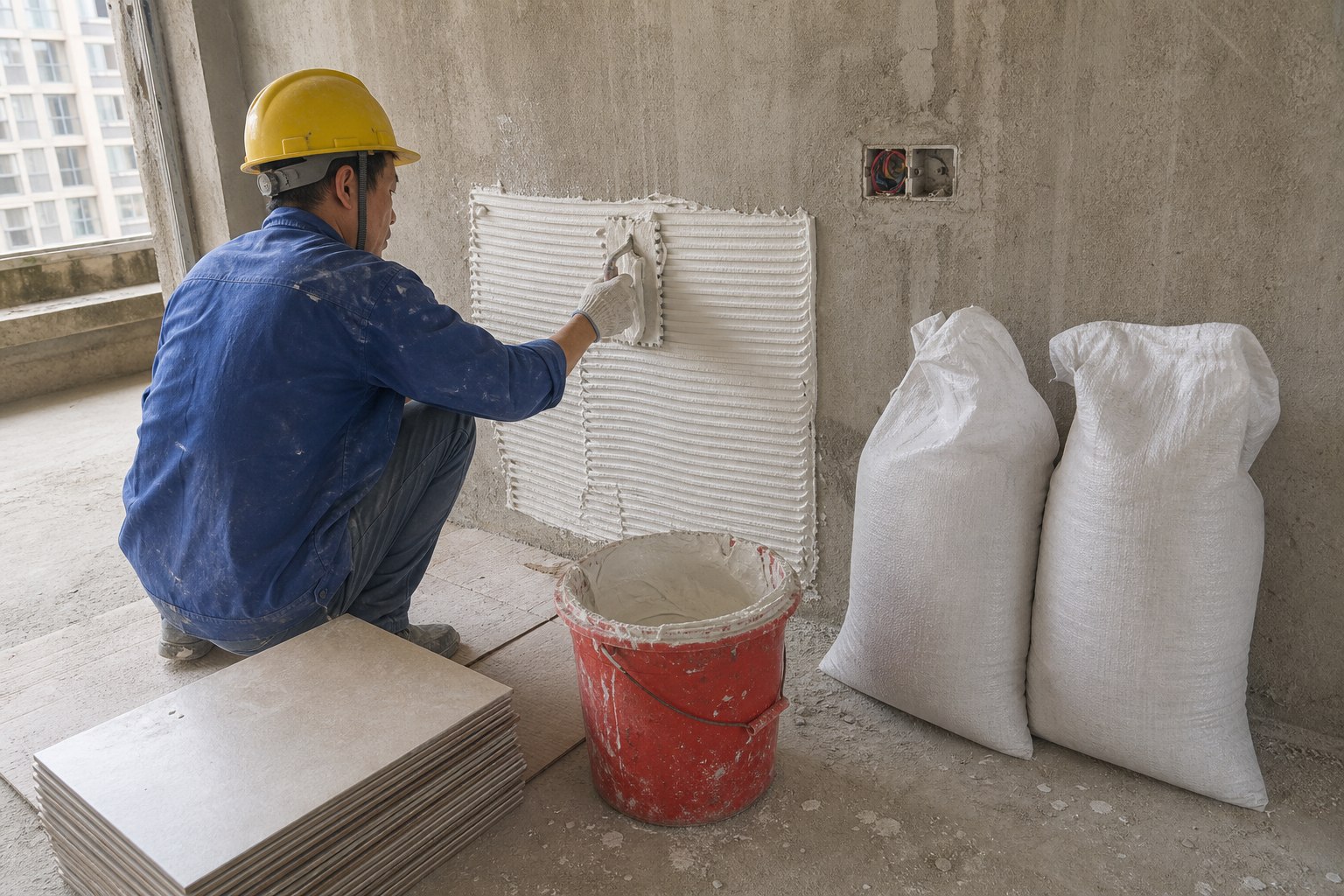
Tile Adhesive

Viscosity: 100,000-200,000 cps

Dosage: 3-5%

Superior adhesion

Extended open time

Excellent workability

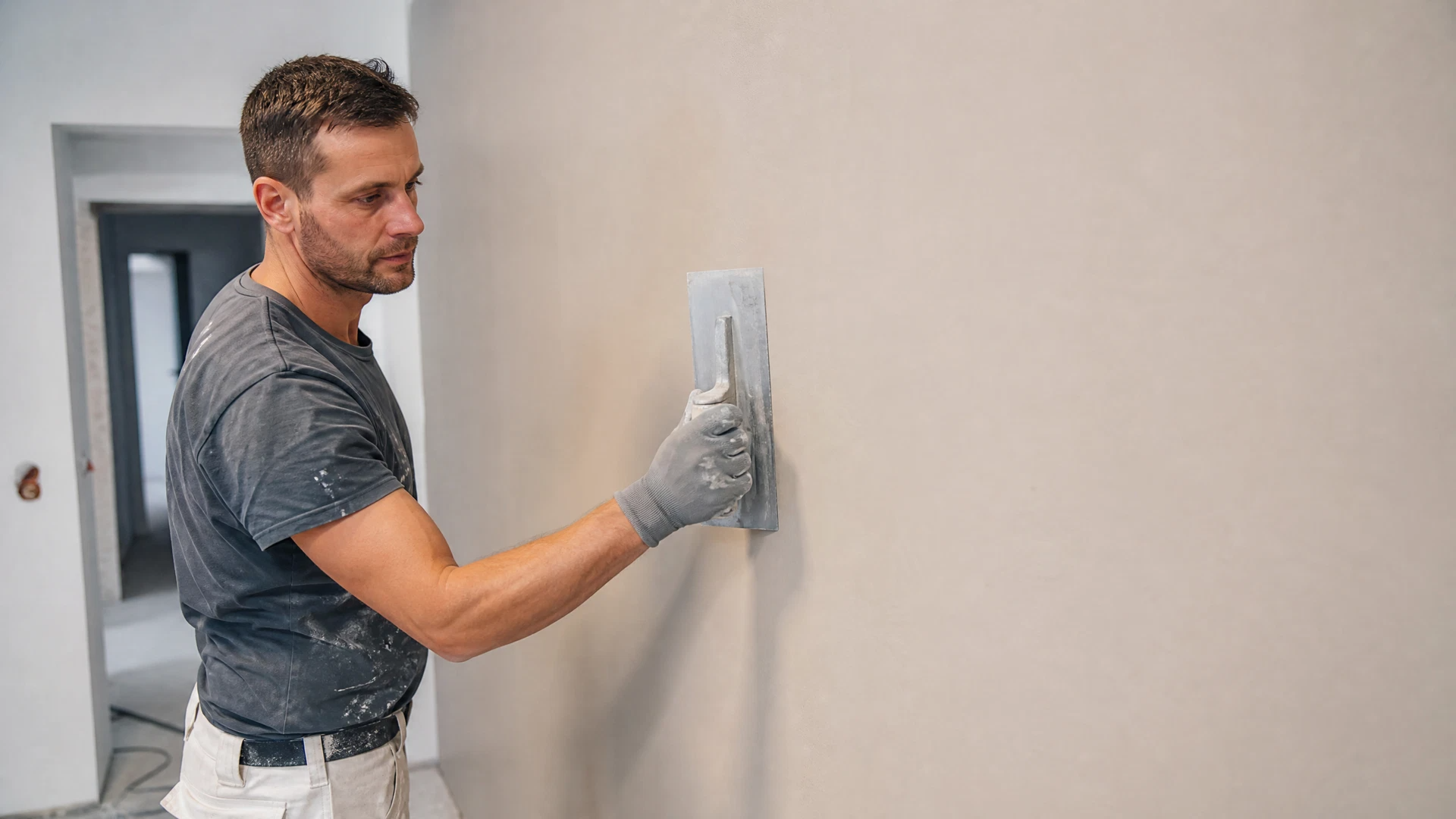
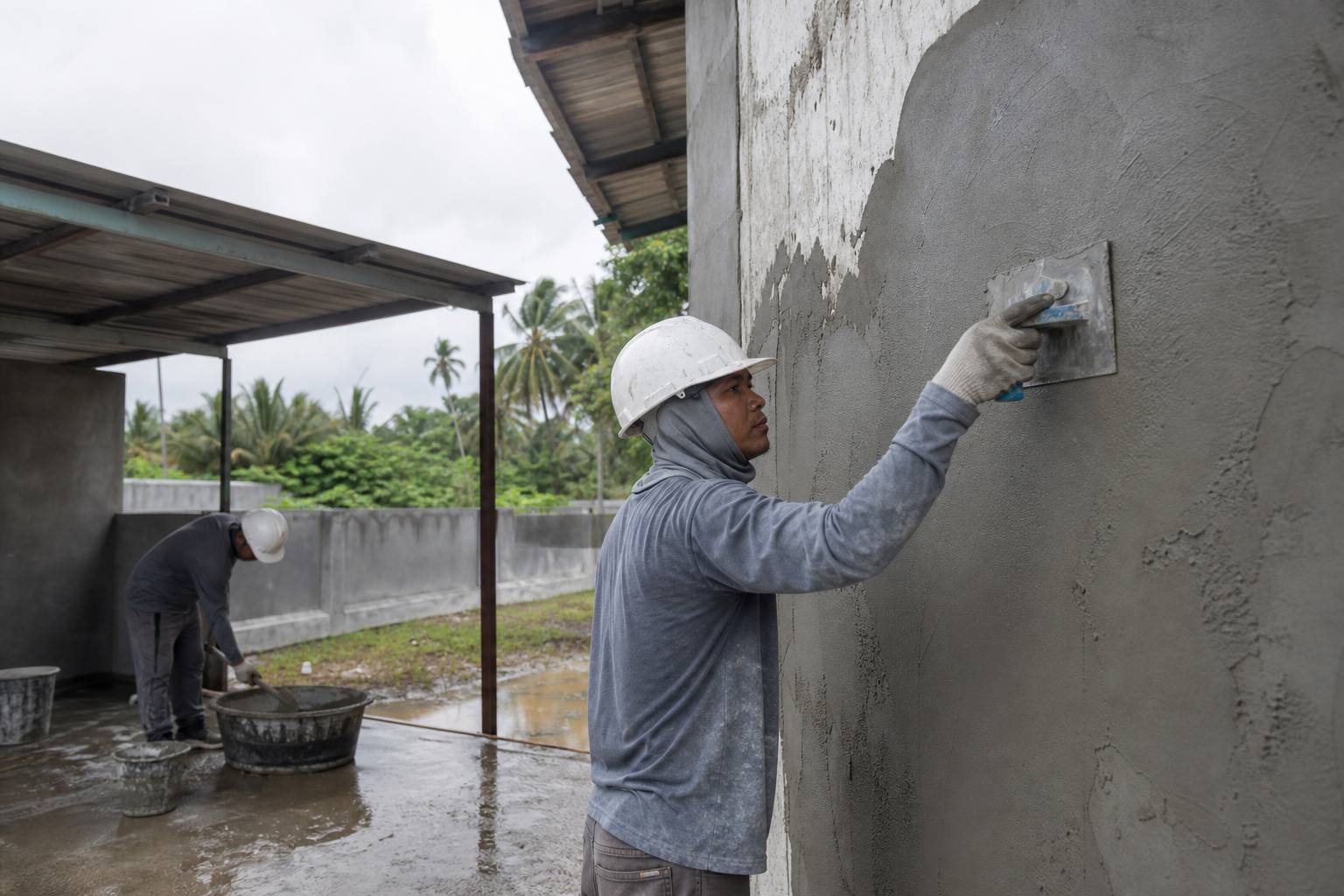
Wall Putty

Viscosity: 80,000-150,000 cps

Dosage: 2-4%

Smooth finish

Easy application

Crack resistance

Skim Coat

Viscosity: 60,000-120,000 cps

Dosage: 1-3%

Fine texture

Self-leveling

Quick drying

EIFS

Viscosity: 100,000-180,000 cps

Dosage: 3-5%

Weather resistance

Flexibility

Long-term stability

Gypsum Plaster

Viscosity:70,000-140,000 cps

Dosage: 2-4%

Smooth application

Quick set

Excellent adhesion

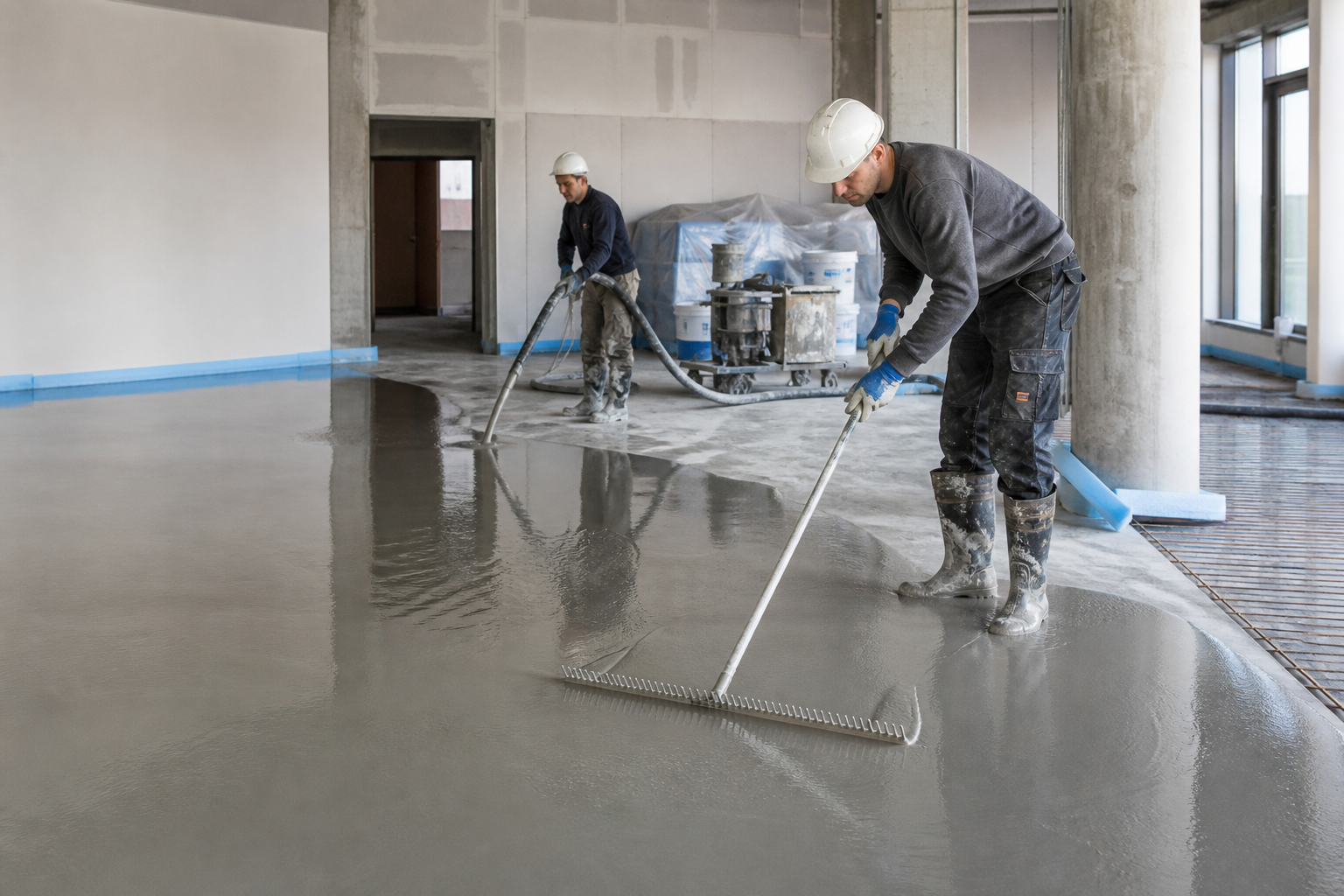
Self-Leveling

Viscosity: 50,000-100,000 cps

Dosage: 1-2%

Industrial floor leveling

Smooth finish

Fast curing

Need help selecting the right viscosity?

Our technical engineers will recommend the perfect grade for your application.

Q: How much HPMC should be added to my formulation?

A: Typical HPMC dosage ranges from 1-5% by weign depending on the epplication Tle achesve usualy requites 3-5%, wal puty 2-4%,and skin coat1-3%. Ourtechnical team wil
optimize the exact dosage for your specific formulation.

Product Advantages

High Water Retention

Keeps sufficient moisture inside cement mortar to improve hydration, extend open time andincrease final bonding strength. This reduces the need for additional water and ensures consistentperformance across different climate conditions.

Better Workability

Smooth, easy-to-apply formulation reduces labor time and improves worker satisfaction. Theenhanced flowability allows for faster application and better coverage, reducing material waste
and labor costs on construction sites.

Longer Open Time

Extended working window for precise application and repositioning. Contractors can work at theirown pace without rushing, which is critical for large-format tiles and complex installations thatrequire careful alignment.

Anti Sagging

Prevents material slippage on vertical surfaces and ensures consistent thickness. This isespecially important for wall putty and tile adhesive applications where sagging can compromisestructural integrity and aesthetics.

Crack Resistance

Superior flexibility minimizes stress fractures and shrinkage cracks. The polymer network provideselasticity that absorbs building movement and thermal expansion, extending the lifespan of thefinished product.

Stable Viscosity

Consistent performance across batches and conditions ensures predictable results. Every batchmeets the same specifications, allowing manufacturers to maintain quality standards and customersatisfaction across all production runs.

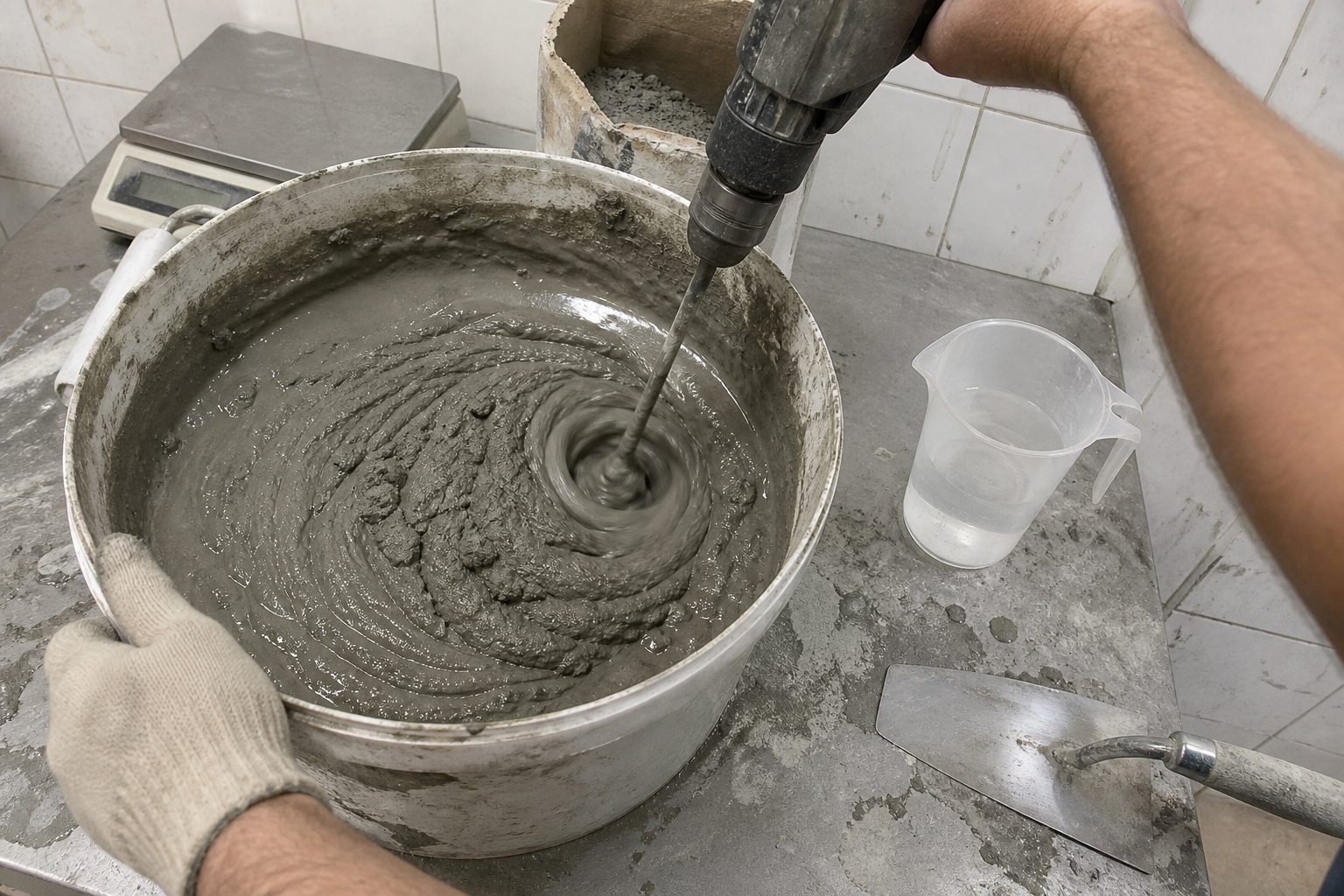
Easy Mixing

Rapid hydration and uniform dispersion reduce mixing time and equipment wear. The powder disperses quickly in water without clumping, saving preparation time and ensuring consistent
formulation quality.

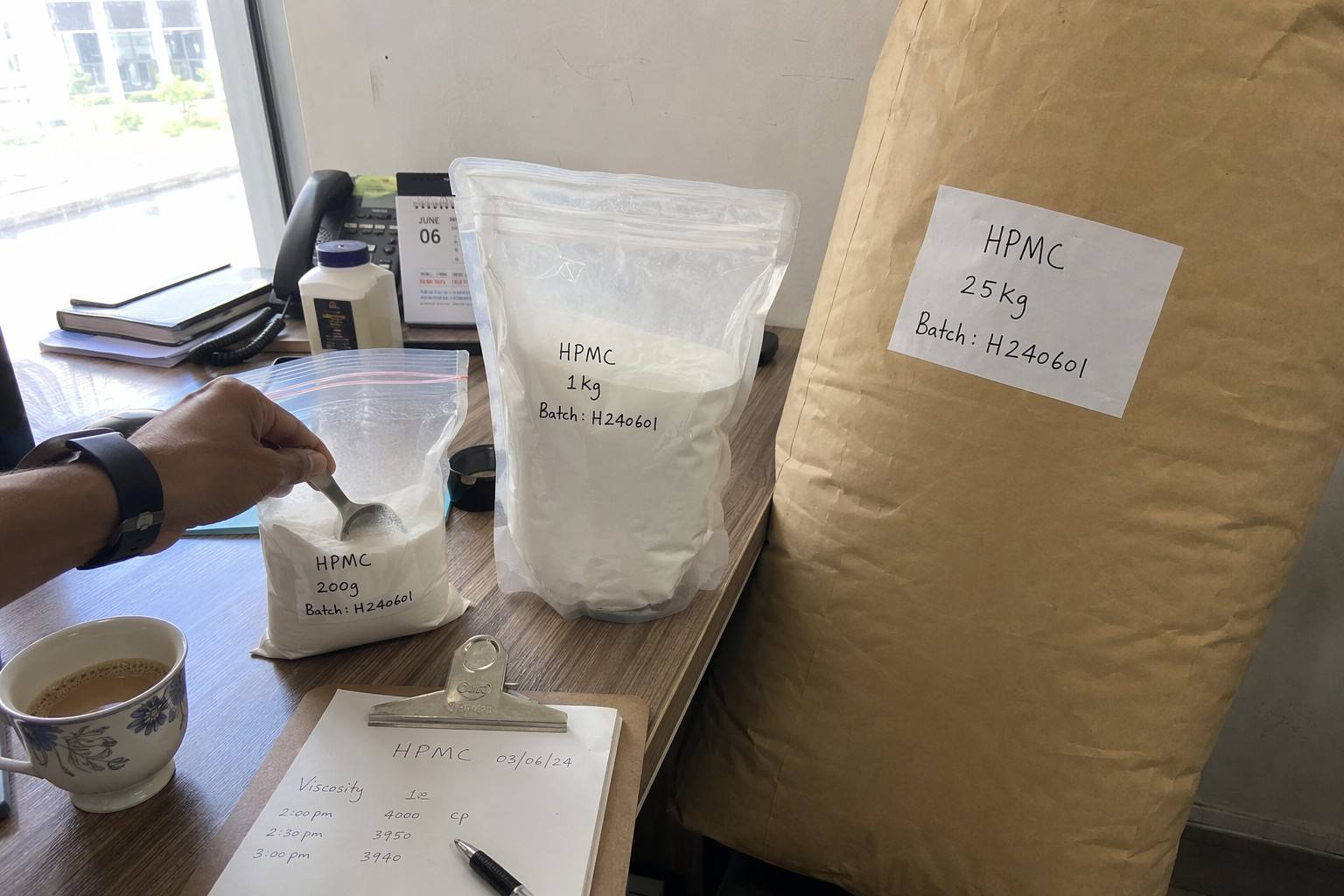
Consistent Quality

Rigorous QC ensures relilable results every time. Each batch is tested for viscosity, water retention,gel temperature,and other critical parameters to guarantee that your products meet international standards.

Experience superior performance

Get your free sample and test the difference quality makes.

Q: How does HPMC improve water retention in mortar?

A:HPMC foms a tydrophobic fim around cement particles, reducing water evporaton and maintaning optinalmoisture for hyctration. This extends open time, improves workablty, increases bonding strength, and reduces shrinkage cracks in the finished product.

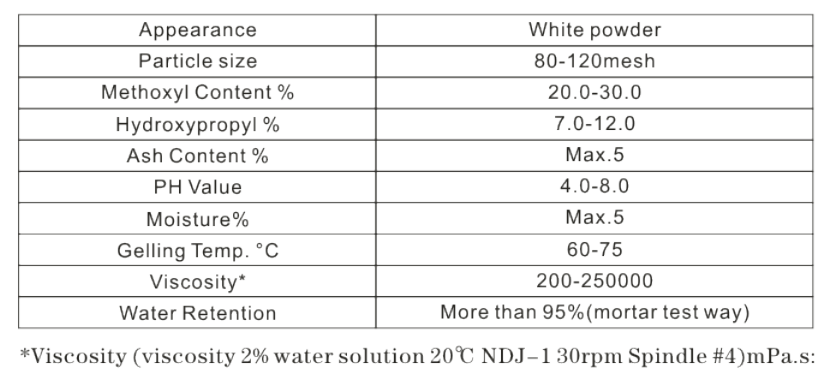
Technical Specifications

Parameter Standard Unit
Viscosity 50,000 - 250,000 cps
Gel Temperature 50 - 90 °C
Water Retention ≥85 %
Ash Content ≤5 %
pH 5.0 - 8.0 -
Moisture ≤5 %
Particle Size ≤100 mesh
Density 0.4 - 0.6 g/cm³

Need detailed technical information?

Download our COA and TDS, or request a consultation.

Q: What is the difference between HPMC and MHEC?

A:Both are cellulose ethers used in construction. HPMC (Hydroxypropyl Methylcellulose) offers superior water retention and workability, making it ideal for tile adhesives and mortars. MHEC (Methyl Hydroxyethyl Cellulose) is often used in gypsum plasters. HPMC provides better performance for most construction chemical applications.

Manufacturing Strength

0 +

Years of Experience

Serving global construction industry

0 +

Countries Served

Middle East, Africa, Asia, Americas

995 +

Tons Monthly Production

Automated, quality-controlled facility

ISO 9001

Certified Quality

International standards compliance

Quality Control Process

在此添加您的标题文本

这是示例文本,单击 “编辑” 按钮更改此文本。

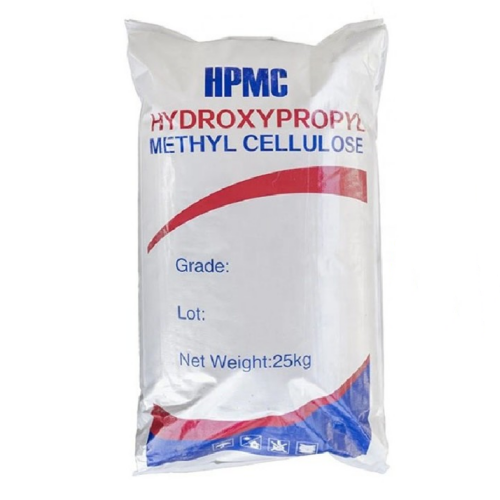
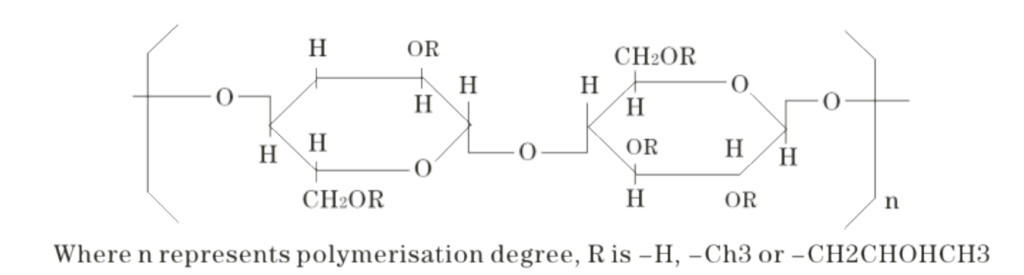
HYDROXYPROPYL METHYL CELLULOSE(HPMC)

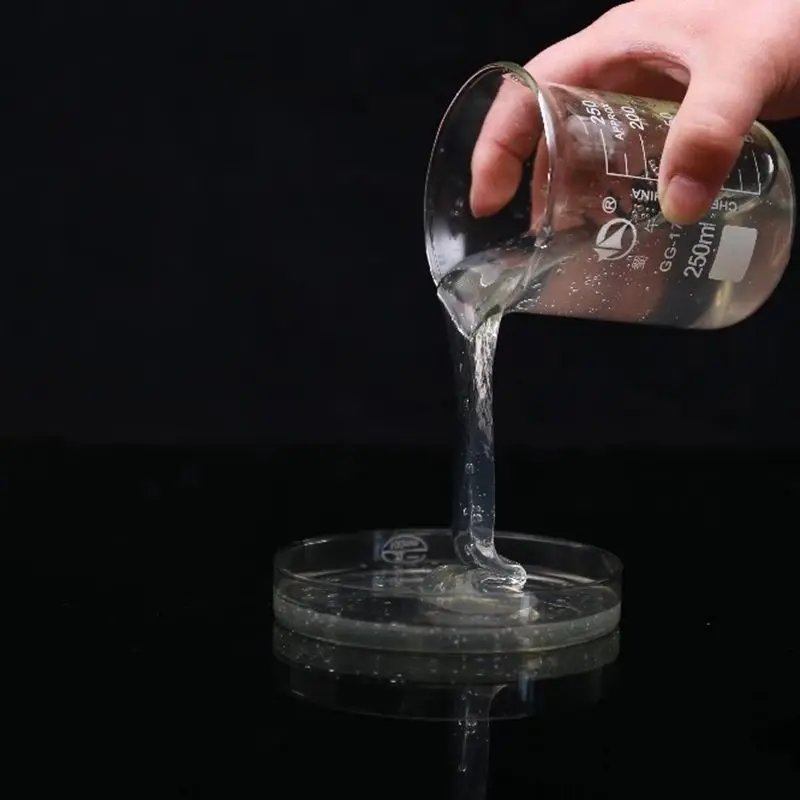
Its appearance is usually white or almost white powder. It is soluble in water and some solvents, and the aqueous solution has surface activity. Very good transparency. The performance is also relatively stable. HPMC can produce products of different specifications, and the gel temperature is also different. Solubility changes with viscosity. The lower the viscosity, the greater the solubility. HPMC with different specifications has different performance.

HPMC is the main additive of ready-mixed mortar. Although the addition of cellulose ether is very low, it can significantly adjust the performance of mortar. It can adjust the consistency, workability, adhesion and water retention of mortar. It plays a very important role in the field of ready-mixed mortar.

1.Low viscosity hydroxypropyl methyl cellulose has an important effect on the water retention consistency and workability of self-leveling mortar. On the premise of normal mortar composition, the fluidity of mortar can be adjusted by changing the content of cellulose ether.

2.In order to fully hydrate the gel material, an appropriate amount of HPMC can maintain the moisture in the mortar for a long time. The viscosity of HPMC also has a great influence on the water retention of mortar. The higher the viscosity, the better the water retention. Hydroxypropyl methyl cellulose with a general viscosity of 400 mpa. It is mainly used for self-leveling mortar, which can improve the leveling performance and compactness of mortar.

3.The setting time of mortar increases with the increase of cellulose ether content. The retarding effect of HPMC on cement paste mainly depends on the degree of alkyl substitution, and has little relationship with its molecular weight. The higher the content of cellulose ether, the more obvious the retarding effect of composite membrane on early hydration of cement.

The cellulose added in the putty powder is mainly due to the water retention property of hpmc, so that the slurry will not crack due to drying too fast after application, and the strength after hardening will be enhanced.
When putty powder is used for operation, hydroxypropyl methyl cellulose is usually added. The role of hydroxypropyl methyl cellulose in construction is water retention, construction and thickening.

1. Water retention: make the putty powder dry slowly and assist the lime calcium to react under the action of water.

2. Construction: cellulose has lubricating effect and can make putty powder have good workability.

3. Thickening: cellulose can thicken and play a role in suspension, keeping the solution uniform up and down, and resisting sagging.

HPMC has the following characteristics in joint filler

1.Hydroxypropyl methyl cellulose can provide proper viscosity for the joint filler, making it have good plasticity and easy processing;

2.The water retention property of hydroxypropyl methyl cellulose makes the mud fully hydrated, which can prolong the working time and avoid cracking;

3.Anti-slip property of hydroxypropyl methyl cellulose: it can be used as a strong adhesive on the surface of the paste without sagging

Application of hydroxypropyl methyl cellulose (HPMC) in ceramics:

1.In the ceramic industry, it is used as an adhesive for molding surprise ceramic products, giving lubricity and water retention, and improving the original strength of raw materials.

2.The concentrated solution is adsorbed on the surface of ceramic particles to reduce the friction between particles and enhance their lubricity, so that the molded products have the required surface finish and dimensional stability;

Contact Us

At Jinghong Chemical, we value building long-term partnerships with our clients. If you are looking for top-quality cellulose products or have any inquiries about our offerings, please don’t hesitate to reach out. Our dedicated team is ready to assist with tailored solutions to meet your specific business needs.