HPMC for Hot & Humid Climates
Match HPMC and the complete dry-mix system to heat, humidity, wind, substrate temperature and logistics. Validate open time, water retention, consistency and packaging under the actual destination conditions.
Recognize the failure before changing the grade
Surface skins despite high humidity
Check heat, airflow, spread area and substrate suction; humidity alone does not prevent drying.
Mix thickens during the shift
Review temperature, resting time, water loss, grade and dosage.
Powder arrives lumpy
Investigate liner integrity, pallet wrap, container moisture and storage conditions.
Site results differ from laboratory
Reproduce material temperature, substrate and airflow rather than testing only at standard room conditions.
Open time varies by season
Record climate and raw-material temperature alongside formulation data.
More HPMC causes heavy handling
Optimize the complete rheology system instead of compensating with dosage alone.
Separate application climate from storage exposure
Hot and humid markets can combine rapid surface drying, warm materials, damp storage and long sea freight. These are different mechanisms and should not be solved by changing one additive blindly.
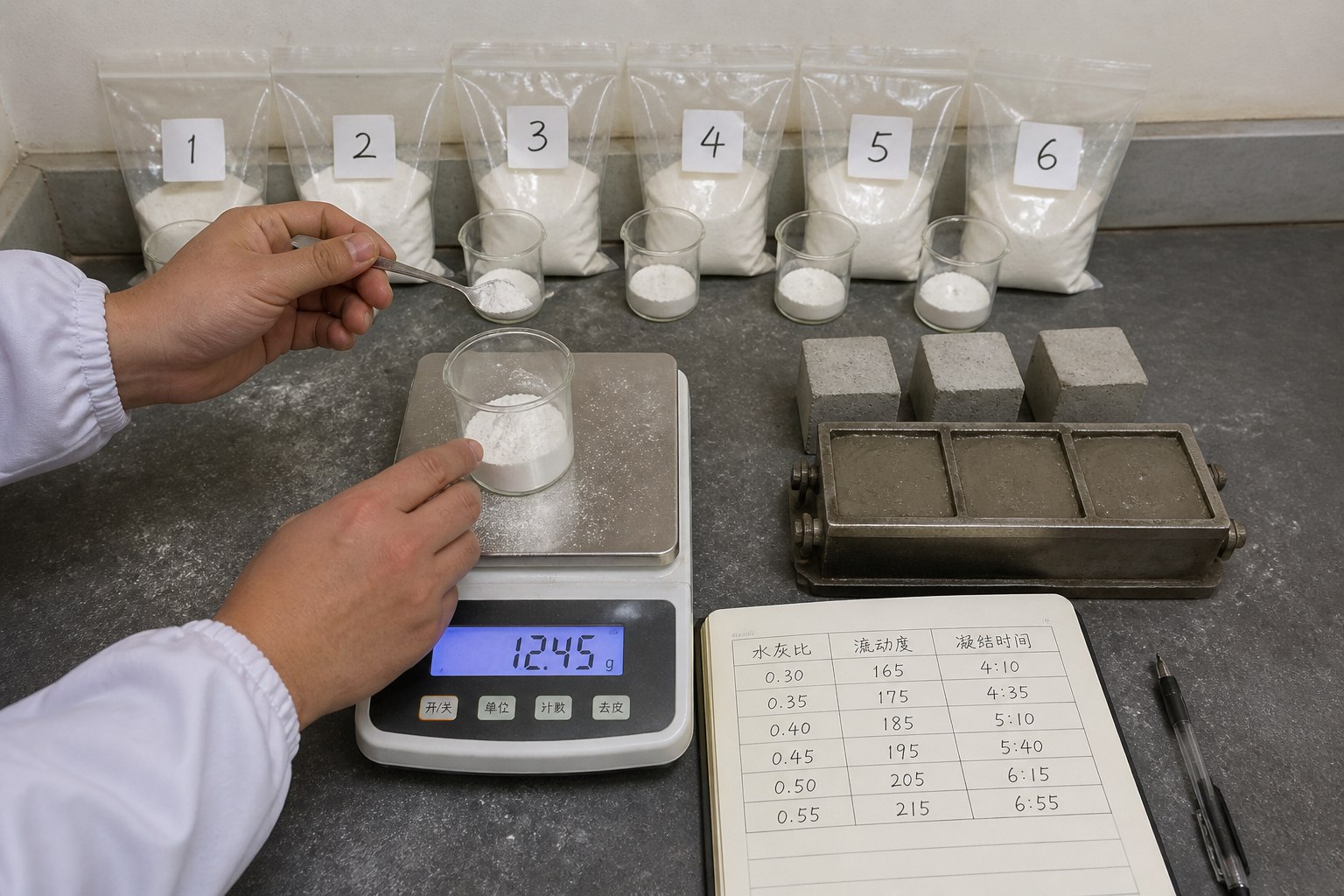
Support application moisture
Evaluate water retention under the target temperature, airflow and substrate conditions.
Maintain workable consistency
Track open and adjustment behavior over the real site window.
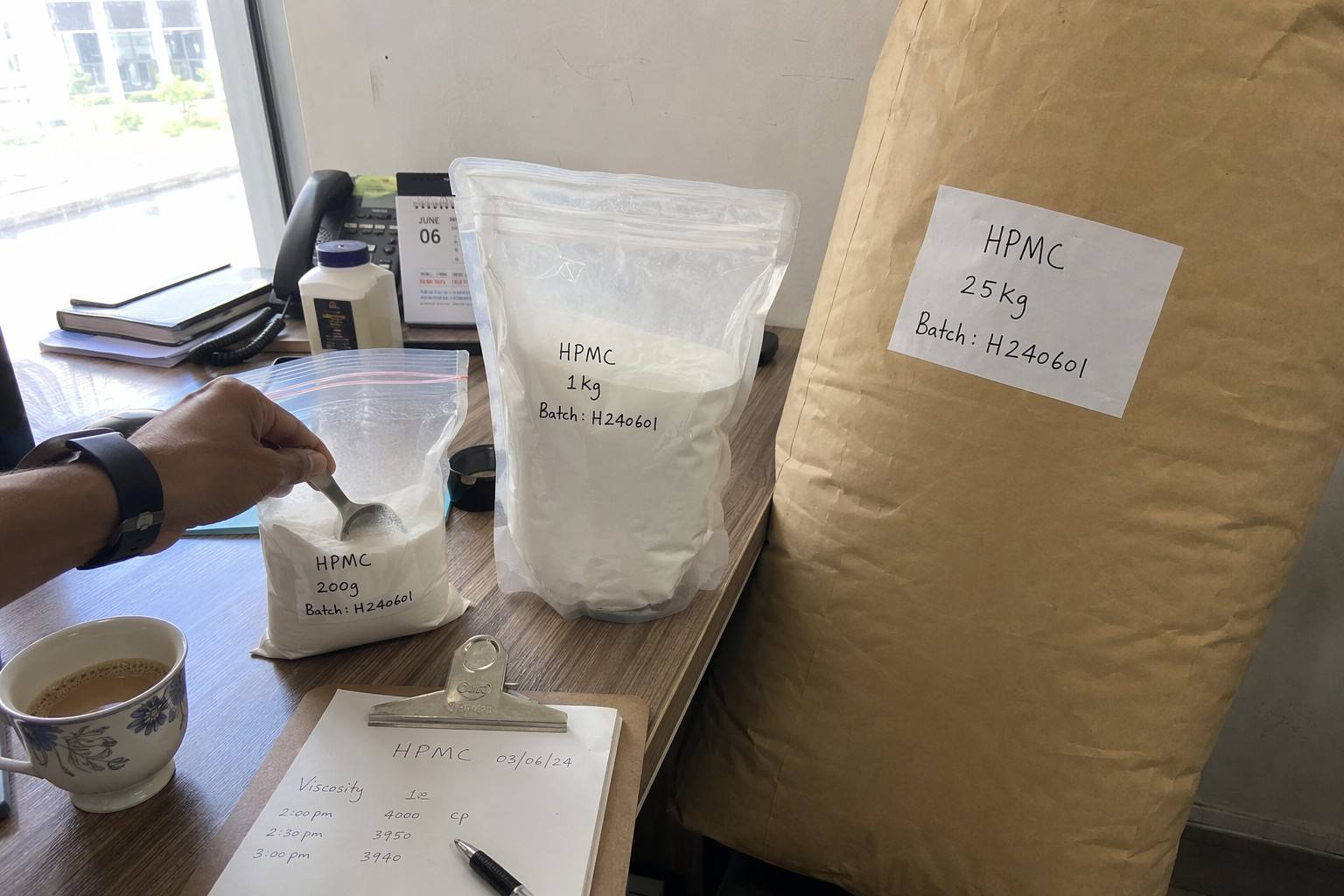
Protect powder condition
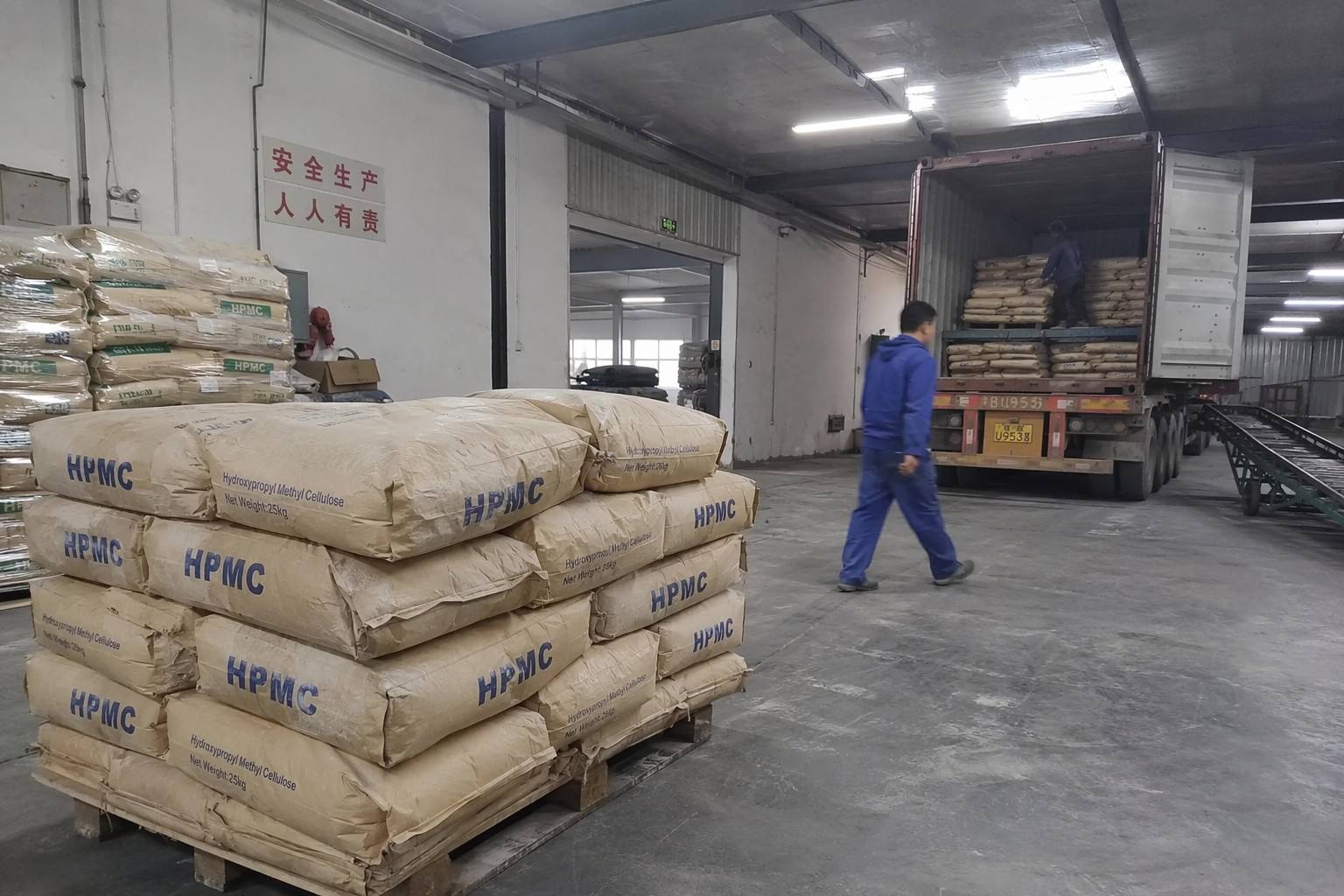
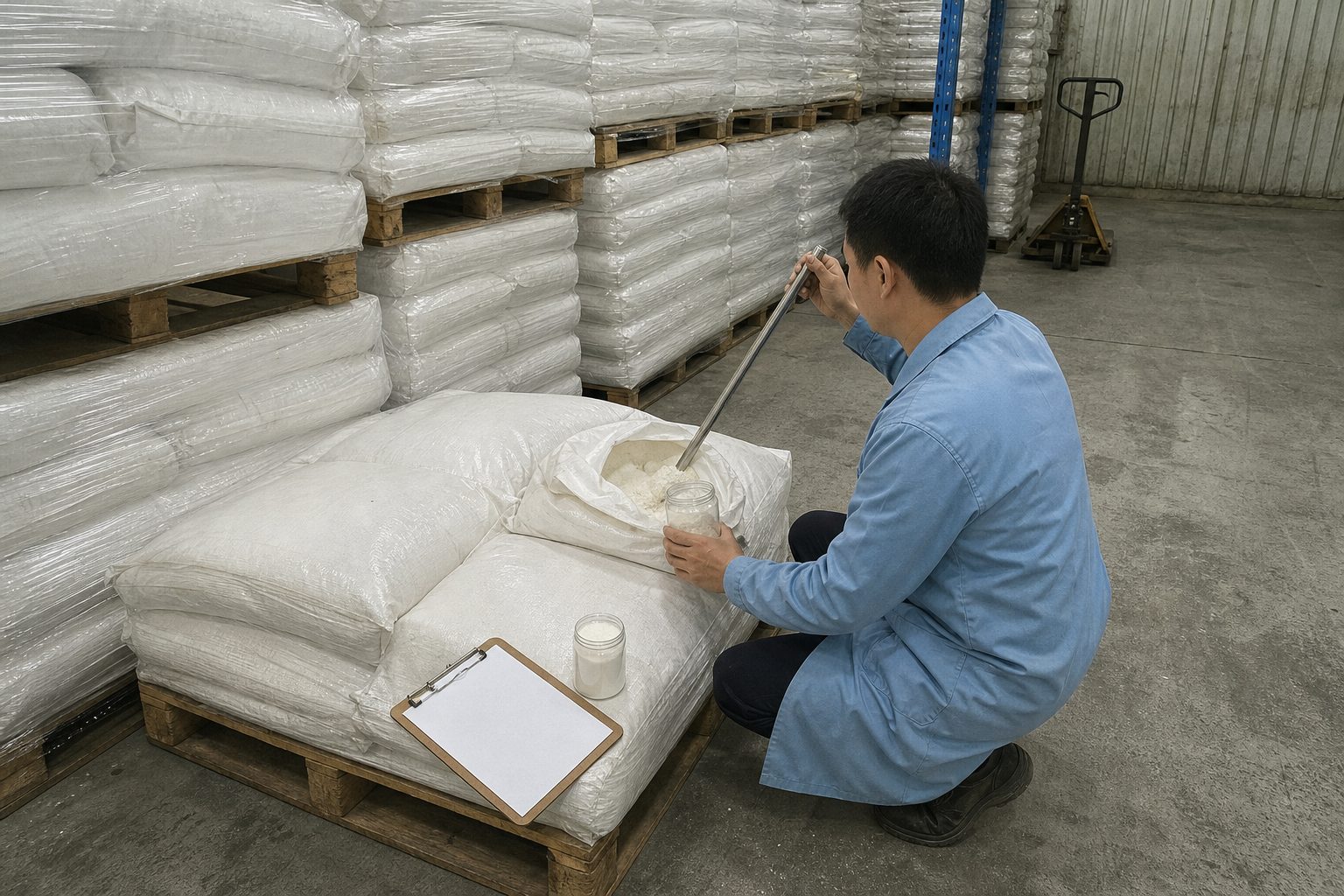
Protect sealed bags during dry storage and container transport before use.
Define the climate window and logistics route
Average annual weather is not enough. Trial conditions should reflect the application temperature, humidity, wind, substrate state and storage history that the customer actually experiences.
| Selection input | Why it matters |
|---|---|
| Application climate | Temperature, relative humidity and airflow affect surface drying differently. |
| Substrate condition | Hot, porous or damp substrates change water movement and adhesion risk. |
| Product application | Tile adhesive, render and putty require different working windows. |
| Storage route | Warehouse humidity and sea-freight exposure affect powder condition before mixing. |
| Acceptance method | Compare at defined climate conditions, not only at room temperature. |
De-risk your replacement trial before bulk approval
A structured sample comparison turns technical uncertainty into a documented purchase decision.
Define
Share the formulation, current grade, test method, conditions and problem.
Shortlist
Select candidates around the actual application and acceptance target.
Compare
Use the same raw materials, water, mixing, timing and environment.
Confirm
Repeat promising trials before approving a commercial order.
Build confidence beyond the first sample
Align the specification, method, traceability, packaging and deviation process before commercial approval.
- Technical data sheet and stated viscosity method
- Batch-specific certificate of analysis
- Current safety data sheet
- Lot identification and retained samples
- Packaging integrity and dry storage
- Lead time and export documents
Information that improves matching
| Application | Hot & Humid Climates |
| Current material | Grade, viscosity method and dosage range |
| Trial stage | Initial screening, replacement or approval |
| Key complaint | Describe handling and performance separately |
| Quantity | Sample, pilot or planned bulk volume |
| Destination | Country, port and packaging requirement |

Resolve the final questions before a trial
Does high humidity always extend open time?
No. High temperature, wind and hot substrates can still accelerate surface drying.
Should dosage simply be increased?
Not automatically. Higher dosage can change handling and water demand; compare candidates under simulated site conditions.
How should climate trials be run?
Control temperature, humidity, airflow, substrate and material temperature, then use the same application method.
What protects HPMC during sea freight?
Confirm sealed bags, pallet protection, container condition and moisture-control plan.
Which application should be tested first?
Start with the customer’s highest-volume or highest-complaint formulation in the target season.
Related applications: Tile Adhesive. Wall Putty & Skim Coat page is under review.
Send your formulation problem and request a matched sample
Share the complete formulation context, conditions, current grade and the exact problem to solve.
Recommended enquiry fields
Use the active site form or email hpmc@jinghonghpmc.com. The disabled fields show the information needed for a useful reply.
Implementation note: connect these fields to the active WordPress form before publication. This static preview is not a submission form.
Technical scope: statements are conditional on the complete formulation and validation method. Raw-material specifications alone do not establish finished-system performance.