
HPMC for Dry-Mix Mortar
Select an HPMC grade around the mortar type, binder system, application method and climate. Jinghong supports controlled trials for water retention, workability, consistency and wet-state stability.
Recognize the failure before changing the grade
Mortar loses water too quickly
Check substrate suction, climate, water retention and time between mixing and placement.
Mix feels heavy
Review grade, dosage, water demand, filler grading and mixing sequence.
Material sags
Review wet rheology, layer thickness and water addition rather than viscosity alone.
Spray or pump behavior is unstable
Check flow, air content, shear history and equipment settings in the actual system.
Results vary by batch
Standardize raw-material lots, weighing, mixing, resting and test conditions.
Hardened performance is low
Assess binder, polymer, aggregate, curing and substrate; HPMC alone cannot establish final strength.
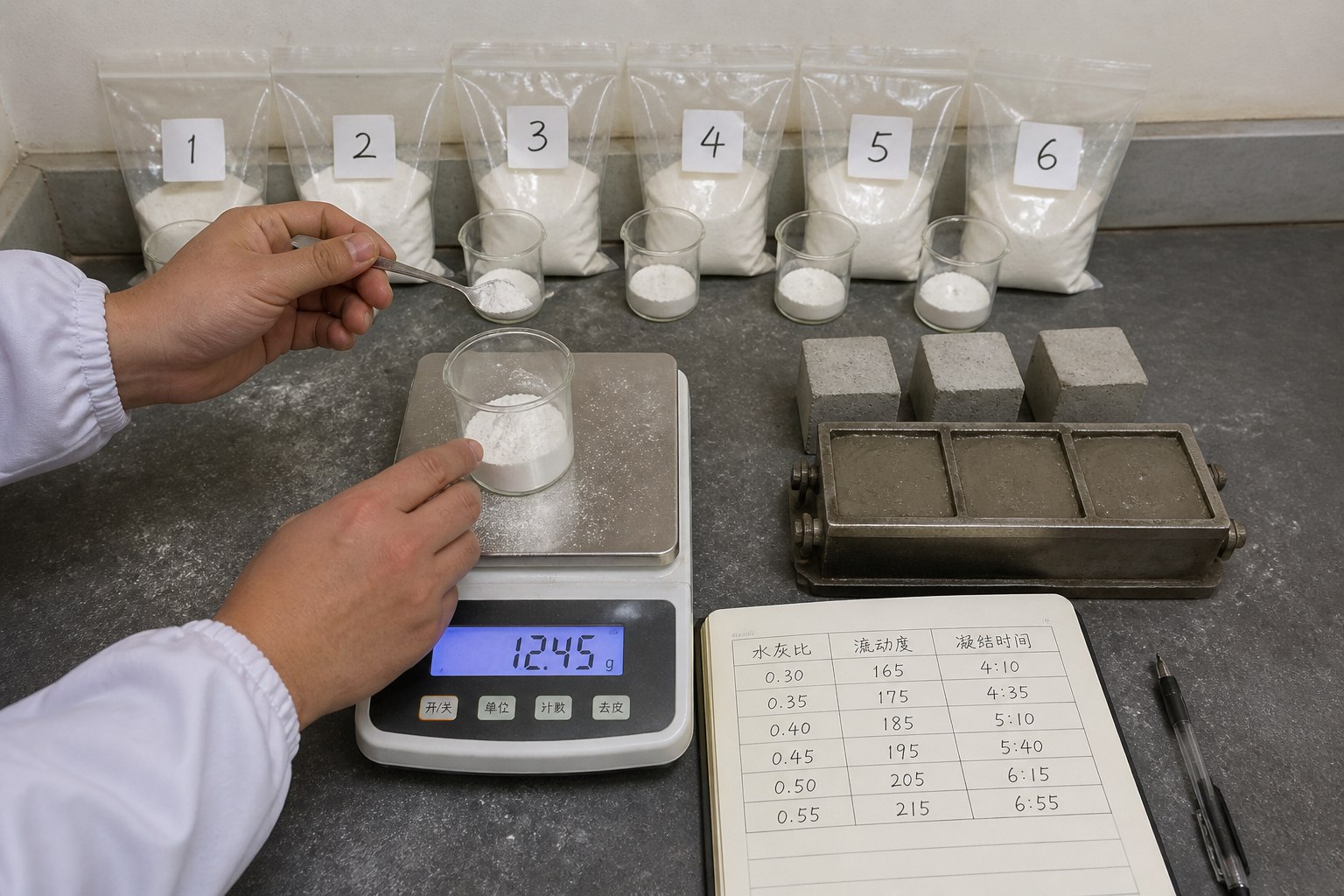
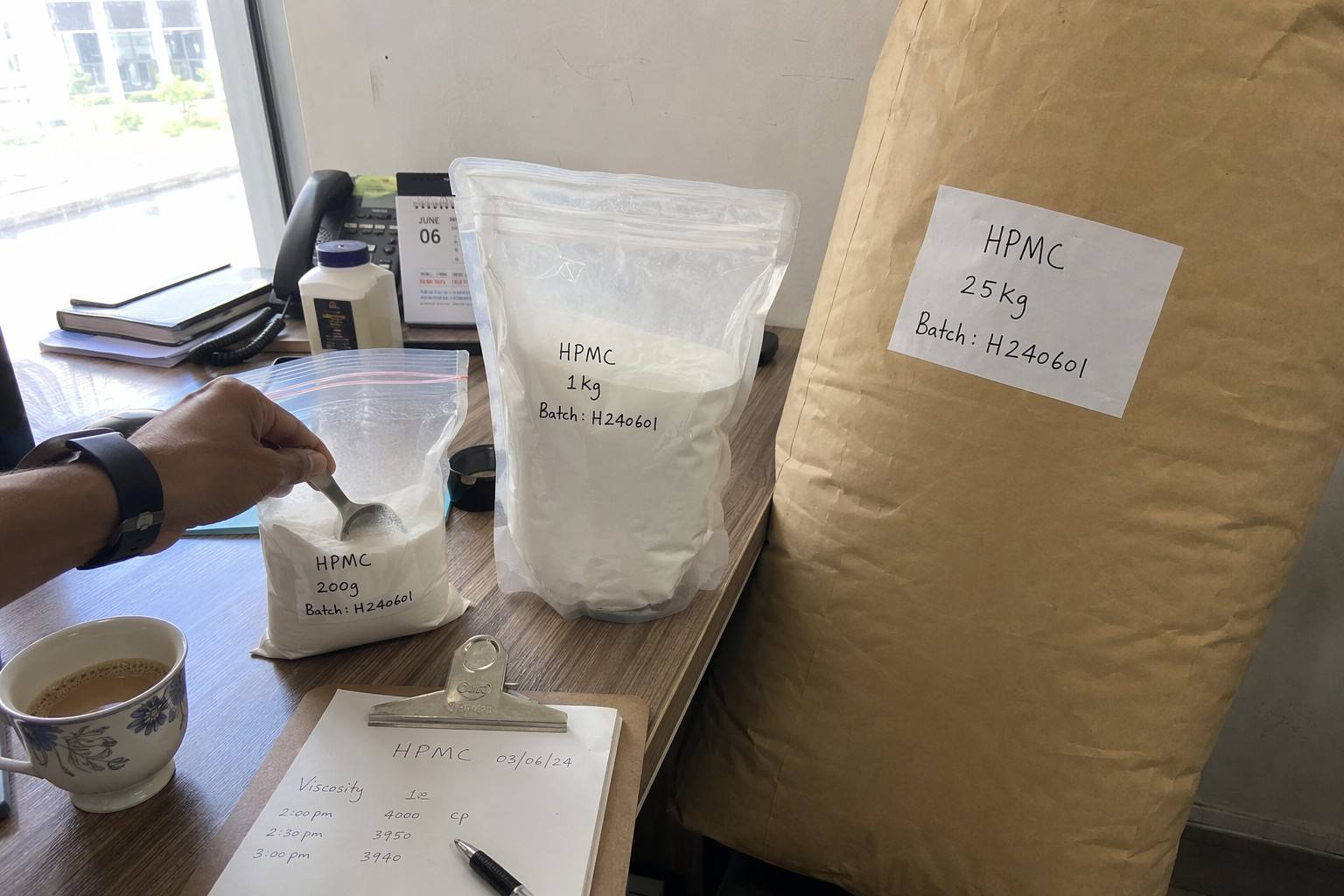
Control fresh-mortar behavior before hardening
HPMC primarily manages water retention and wet-state rheology. Cement, fillers, polymers, air entrainment, mixing and curing still determine the final mortar performance.
Retain workable moisture
Reduce premature water loss into absorbent substrates or dry air.
Stabilize consistency
Support a repeatable balance between spreadability, body and vertical stability.
Support application time
Help retain workable handling, subject to formulation, climate and substrate conditions.
Define the mortar application before selecting a grade
Dry-mix mortar is a family of systems, not one formula. A masonry mortar, render, repair mortar and insulation adhesive may require different rheology and water management.
| Selection input | Why it matters |
|---|---|
| Mortar type | Render, masonry, repair, EIFS or other use determines the performance target. |
| Binder and fillers | Cement type and particle grading affect water demand and consistency. |
| Application method | Hand troweling, pumping and spraying impose different flow and stability needs. |
| Climate | Heat, wind and substrate suction change water-loss pressure. |
| Test method | Compare viscosity and mortar trials under consistent conditions. |
De-risk your replacement trial before bulk approval
A structured sample comparison turns technical uncertainty into a documented purchase decision.
Define
Share the formulation, current grade, test method, conditions and problem.
Shortlist
Select candidates around the actual application and acceptance target.
Compare
Use the same raw materials, water, mixing, timing and environment.
Confirm
Repeat promising trials before approving a commercial order.
Build confidence beyond the first sample
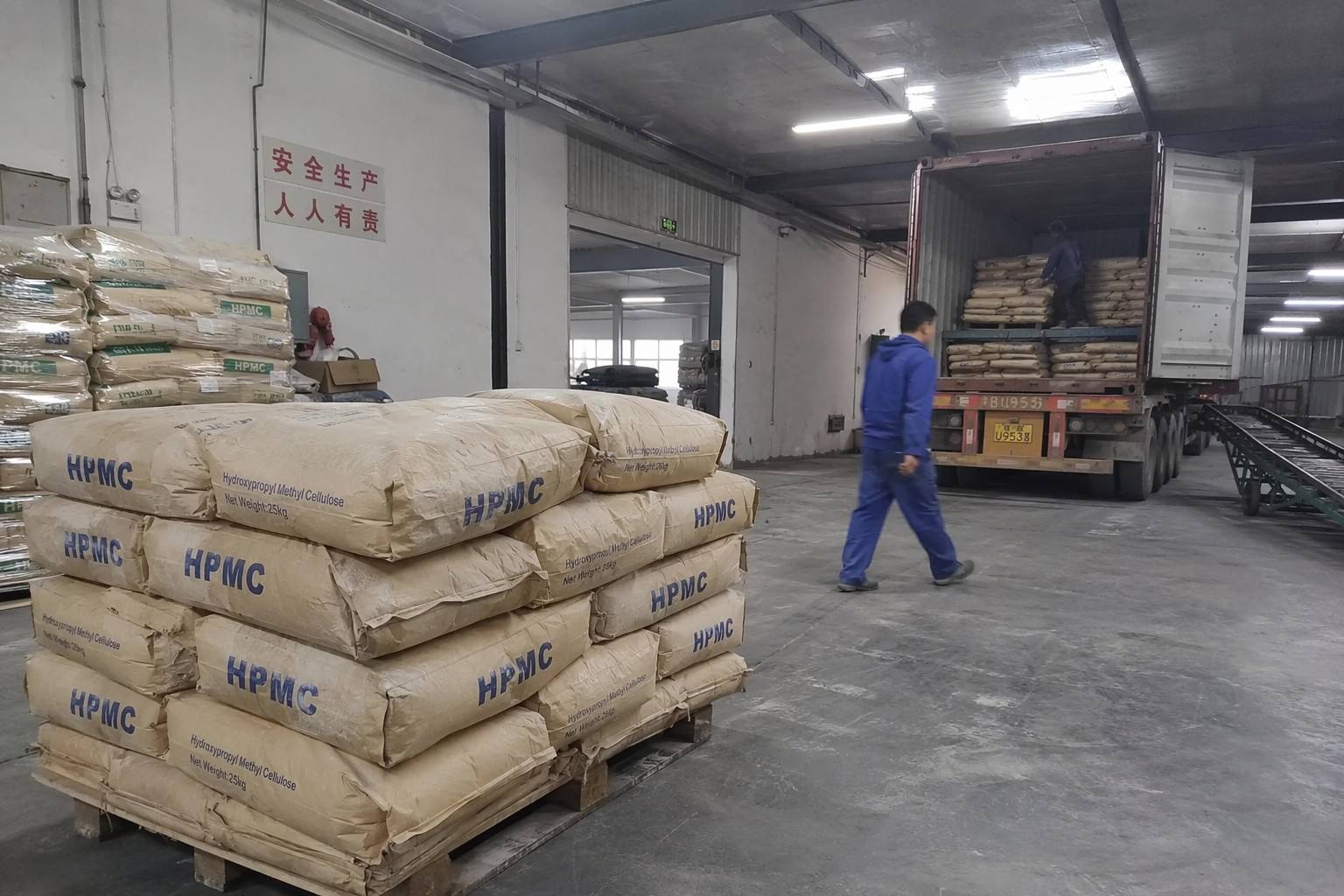
Align the specification, method, traceability, packaging and deviation process before commercial approval.
- Technical data sheet and stated viscosity method
- Batch-specific certificate of analysis
- Current safety data sheet
- Lot identification and retained samples
- Packaging integrity and dry storage
- Lead time and export documents
Information that improves matching
| Application | Dry-Mix Mortar |
| Current material | Grade, viscosity method and dosage range |
| Trial stage | Initial screening, replacement or approval |
| Key complaint | Describe handling and performance separately |
| Quantity | Sample, pilot or planned bulk volume |
| Destination | Country, port and packaging requirement |
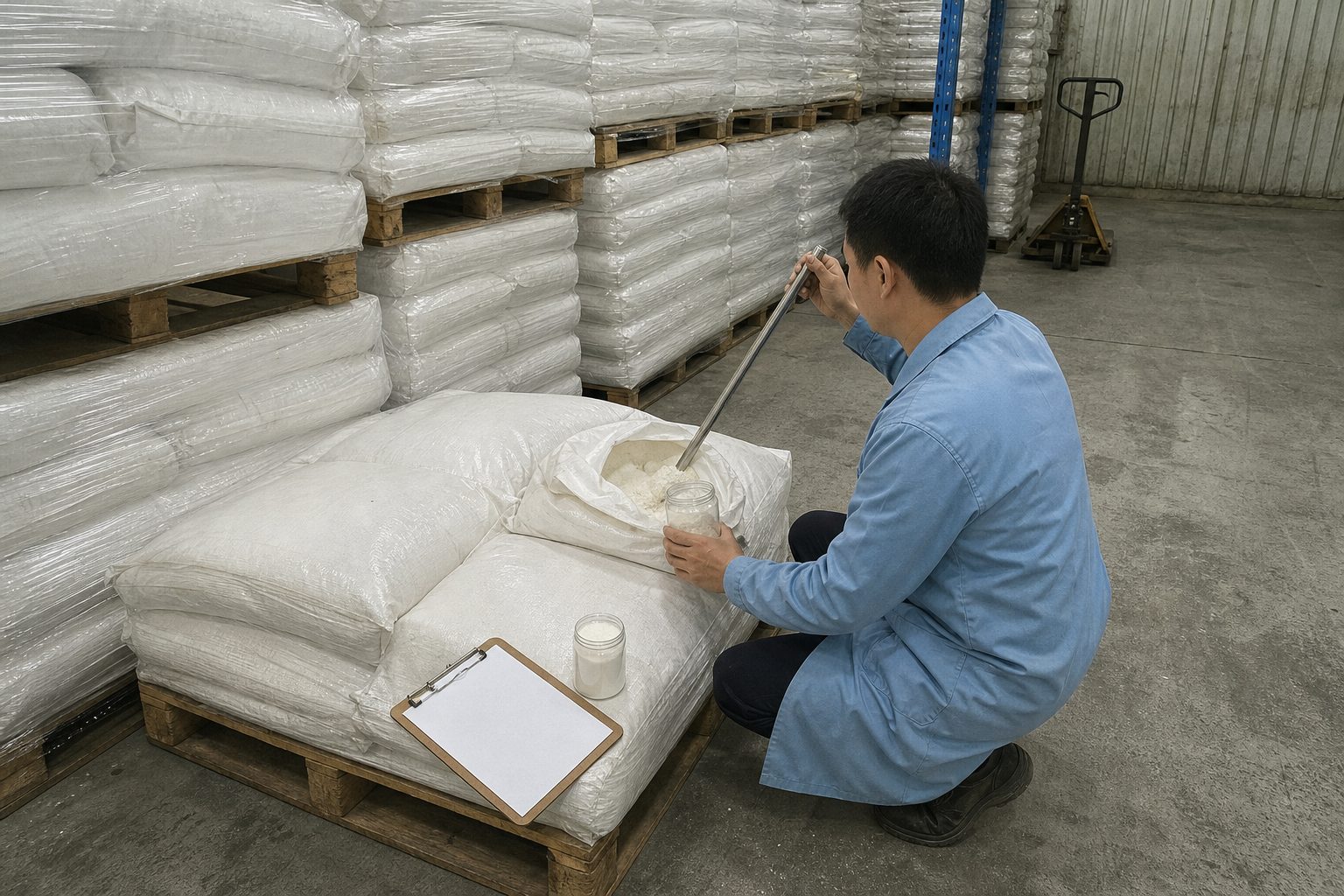

Resolve the final questions before a trial
Which viscosity is suitable for dry-mix mortar?
There is no universal value. The mortar type, method and climate must be defined before controlled comparison.
Can one HPMC grade cover every mortar?
Not automatically. Different systems can require different balances of water retention, thickening and handling.
Does HPMC determine final strength?
No. Final strength also depends on binder, fillers, polymer, water, curing and application.
How should candidates be tested?
Use identical raw materials, water, mixing, resting, application and environmental conditions.
What documents should accompany a trial?
Request a TDS, batch COA, current SDS, stated test method and traceability information.
Related applications: Tile Adhesive. Wall Putty & Skim Coat page is under review.
Send your formulation problem and request a matched sample
Share the complete formulation context, conditions, current grade and the exact problem to solve.
Recommended enquiry fields
Use the active site form or email hpmc@jinghonghpmc.com. The disabled fields show the information needed for a useful reply.
Implementation note: connect these fields to the active WordPress form before publication. This static preview is not a submission form.
Technical scope: statements are conditional on the complete formulation and validation method. Raw-material specifications alone do not establish finished-system performance.