
Product Center
Construction Chemical Additives Product Center
Select cellulose ethers and redispersible polymer powder by application, not by a single data sheet number. This hub routes B2B buyers from a construction system to the right product family, then to grade shortlisting and sample validation.
Product families
Four additive families, one selection logic
Cellulose ethers (HPMC, MHEC/HEMC, HEC) govern water retention, rheology and workability. RDP/VAE governs flexibility and adhesion in the hardened mortar. Most dry-mix problems are solved with one ether plus one powder, matched to the system.
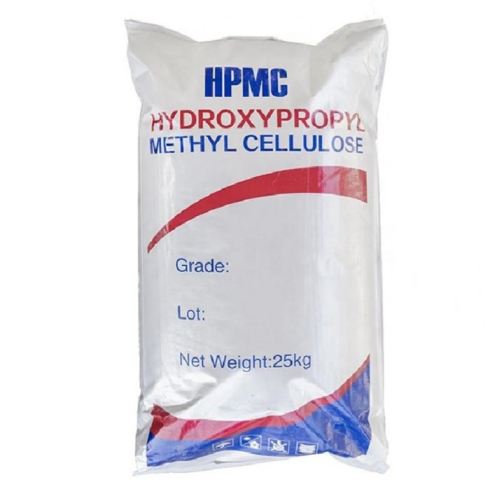
HPMC
Hydroxypropyl Methyl Cellulose
Core function
Water retention and workability in cement- and gypsum-based dry-mix systems; controls water demand, consistency and open time at the mixing stage.
Typical applications
Tile adhesive, wall putty and skim coat, dry-mix mortar, gypsum plaster, self-leveling compounds.
Selection focus
Viscosity is measured in a defined solution, not in your mortar. Compare grades on water retention, open time and sag in the actual mix, and check gel temperature where site temperatures are high.
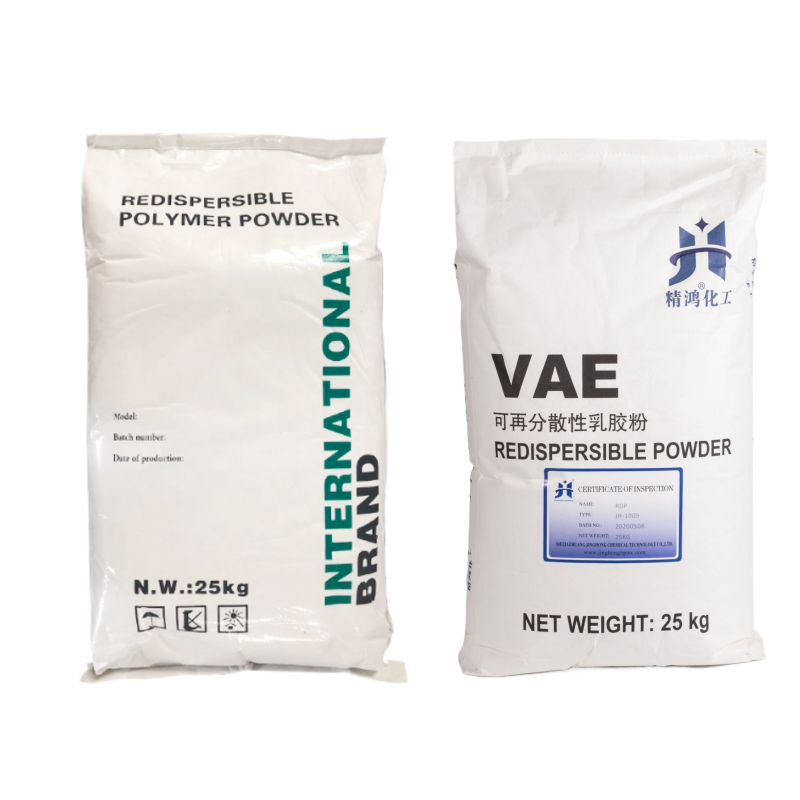
RDP / VAE
Redispersible Polymer Powder
Core function
Reforms a polymer film in the hardened mortar, supporting adhesion to the substrate, flexibility and cohesion where cement alone is not enough.
Typical applications
Tile adhesive, EIFS and base coat, repair mortar, dry-mix mortar, wall putty.
Selection focus
Confirm film formation at your site temperature and dosage level, then judge bond strength after water immersion and heat ageing rather than a single tensile figure.

HEC
Hydroxyethyl Cellulose
Core function
Thickening and water-phase rheology in aqueous systems; supports color acceptance, leveling and storage stability.
Typical applications
Water-based coatings, adhesives and other aqueous formulations.
Selection focus
Match the grade to your shear profile, pH range and binder system; verify compatibility with the pigment dispersion and with any associative thickener already in the formula.

MHEC (HEMC)
Methyl Hydroxyethyl Cellulose
Core function
Water retention with a different substitution balance from HPMC; often chosen where sag resistance, longer open time or a specific thickening response is needed.
Typical applications
Gypsum plaster, skim coat, tile adhesive, joint compound, self-leveling compounds.
Selection focus
Compare against the HPMC you run today in the same mix design; differences appear in thickening efficiency, setting behaviour and surface finish, not only in viscosity.
Application selector
Start from the construction system
Pick the application first. Each page then covers the grade selection points, the test methods and the sample request route for that system.
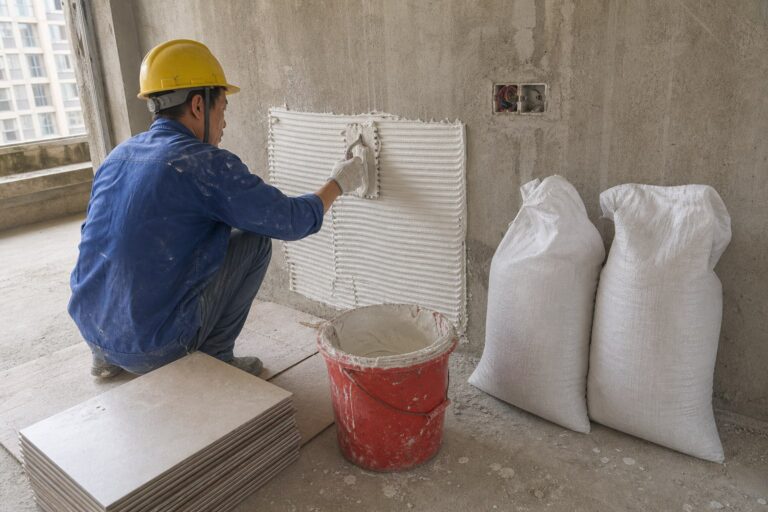
Tile Adhesive
Water retention and open time in cementitious tile adhesive, with slip and bond testing.
Grade selection and sample support
Wall Putty & Skim Coat
Workability, cracking behaviour and sanding in thin-layer finishing systems.
Grade selection and sample support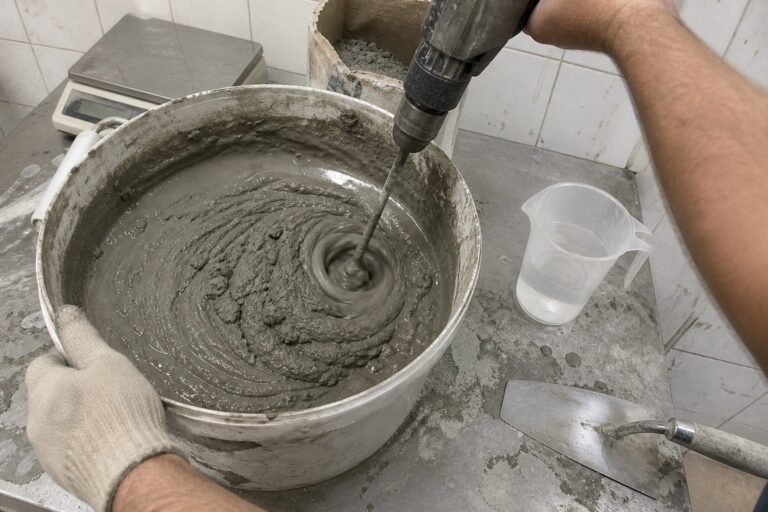
Dry-Mix Mortar
Water retention and consistency across render, masonry and joint mortars.
Grade selection and sample support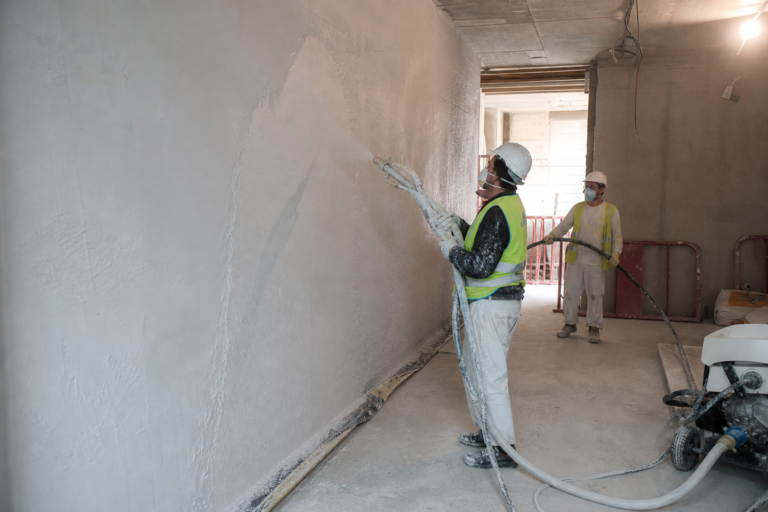
Gypsum Plaster
Water demand, setting profile and surface hardness in gypsum-based plasters.
Grade selection and sample support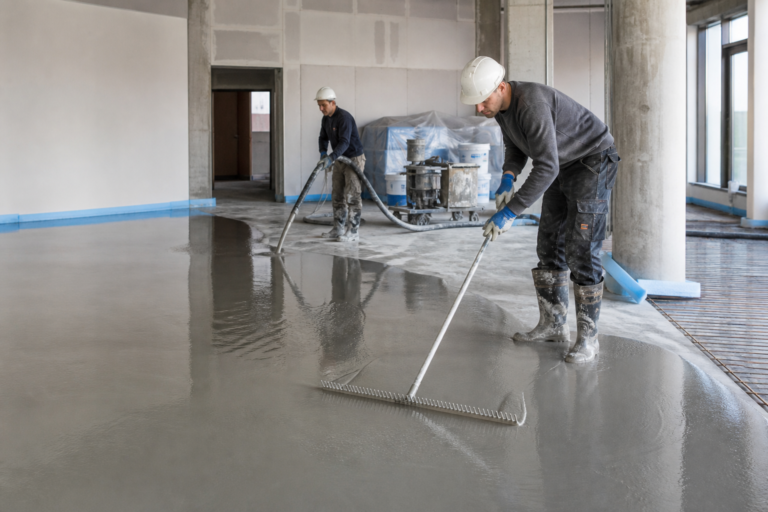
Self-Leveling
Flow, segregation resistance and setting control in self-leveling compounds.
Grade selection and sample support
Water-Based Coatings
Thickening and water-phase rheology for aqueous coatings; HEC and HPMC options.
See HEC for coatings
Technical support
Technical documents and support
Documents are issued per grade and per batch. Request them together with the application so the data matches the product you will actually run.
Grade-specific typical properties, the recommended dosage range for the application, and storage and handling notes.
Safety data sheet for the grade, in the regulatory format required at your destination.
Batch certificate of analysis for the lots supplied, issued together with the shipping documents.
Sample quantity, a dosing starting point and a suggested test sequence for your formulation.
No fixed performance values are published on this page: results depend on binder type and dosage, filler grading, mixing, substrate and curing conditions. Grade data is confirmed per product and per batch on request.
Selection workflow
From application to a validated grade
Four steps, in this order. Skipping the second step is the usual reason a grade that worked in one plant behaves differently in another.
Application
Name the system and the standard you will test to: tile adhesive class, putty layer thickness, gypsum or self-leveling build-up.
Formulation, substrate and climate
Binder type and dosage, filler grading, substrate absorption, site temperature and humidity, application thickness and method.
Shortlist
Two or three candidate grades per family, plus a control sample of the product you use today.
Sample validation
Water retention, open time, slip or sag, and bond strength dry, wet and heat-aged where relevant; then a pilot batch before scale-up.
Viscosity alone is not a selection criterion.
The same viscosity number can behave differently once the ether meets cement, filler and fibre. Open time, sag resistance, air content and bond strength are what the applicator and the test lab will actually judge.
Next step
Request a grade recommendation
Send the application, your current formulation and the test method you work to. The technical team will reply with a shortlist of grades, the matching documents and the sample route.