
Redispersible polymer powder application
RDP for EIFS & External Insulation Mortars
Evaluate polymer modification in the complete insulation system—from board bonding to reinforced base coat and environmental conditioning.
Attention
Recognize the failure before changing the polymer
Similar symptoms can come from the binder, filler, substrate, water, process or curing. A useful RDP trial begins with a measurable failure and a controlled comparison.
Board bond failure
Identify whether failure occurs at the substrate, mortar or insulation interface and verify preparation.
Base-coat cracking
Review mesh embedment, layer thickness, curing, movement and polymer balance.
Low impact resistance
Test the reinforced build-up, not mortar cubes alone.
Water-related deterioration
Define conditioning and drainage details; do not infer full-system weather resistance from one powder.
Poor thin-layer cohesion
Balance polymer, binder, filler and application thickness in the actual base coat.
Good mortar, poor façade result
Anchors, boards, mesh, joints and workmanship can control system performance.
Interest
What RDP may contribute—and what it cannot replace
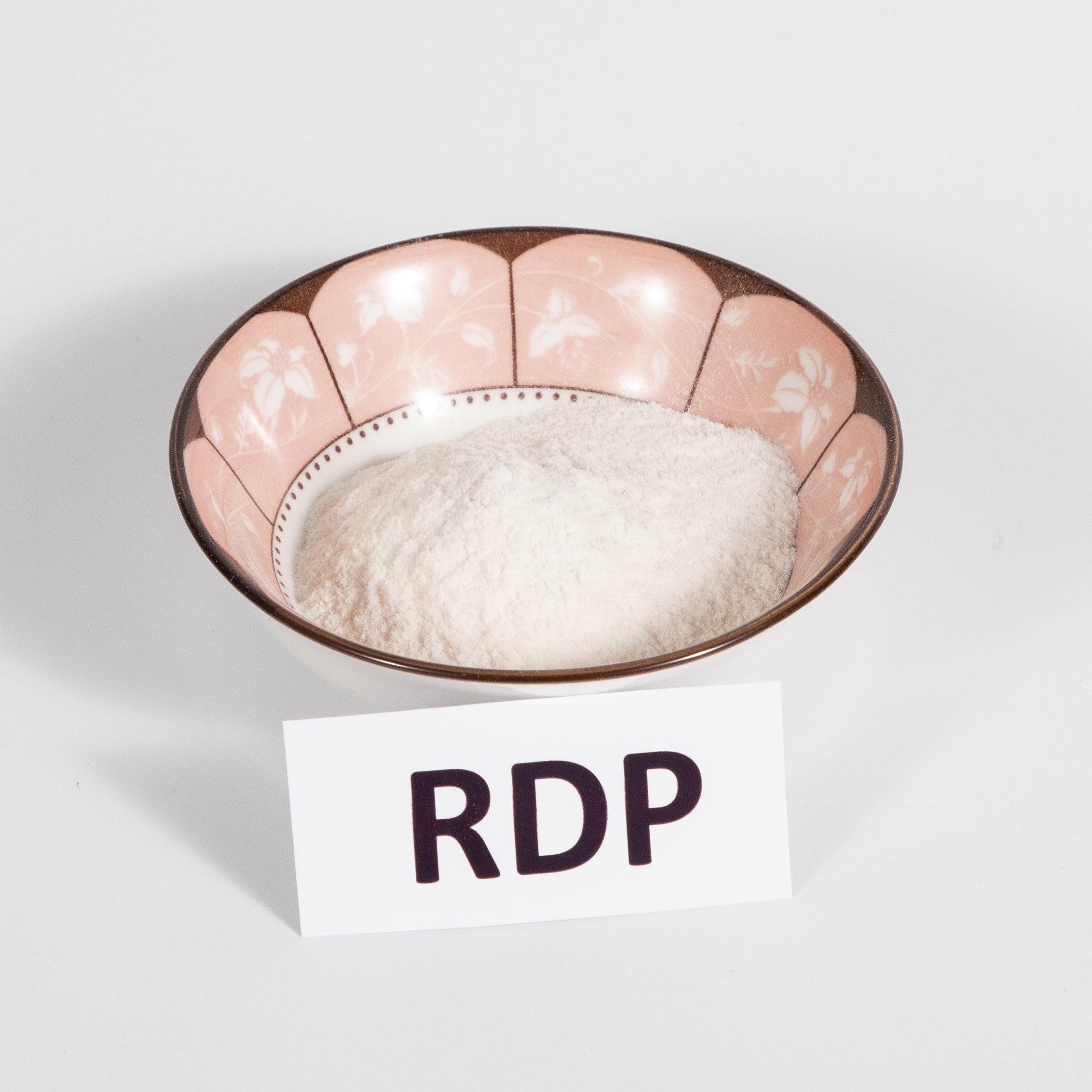
RDP is a polymer modifier. It can support selected cured properties, but it does not replace correct formulation design, HPMC rheology control, substrate preparation or finished-product testing.
Insulation-board bonding
A suitable polymer may support adhesion within a verified board, substrate and mortar combination.
Reinforced base-coat toughness
Polymer modification may support flexibility and impact behavior when mesh is correctly embedded.
Environmental retention
Conditioned testing can evaluate whether the reinforced layer maintains its target properties.
Selection inputs
Build the shortlist around your formulation
Share enough context to avoid a generic grade recommendation.
| Input | What to define |
|---|---|
| System component | Board adhesive, reinforced base coat or another defined EIFS mortar |
| Insulation board | EPS, mineral wool or another approved board type |
| Reinforcement | Mesh type, embedment position and layer thickness |
| Target | Bond, impact, crack tolerance, cohesion or conditioned performance |
| System context | Substrate, anchors, joints, finish and climate exposure |
Desire
De-risk the replacement trial before bulk approval
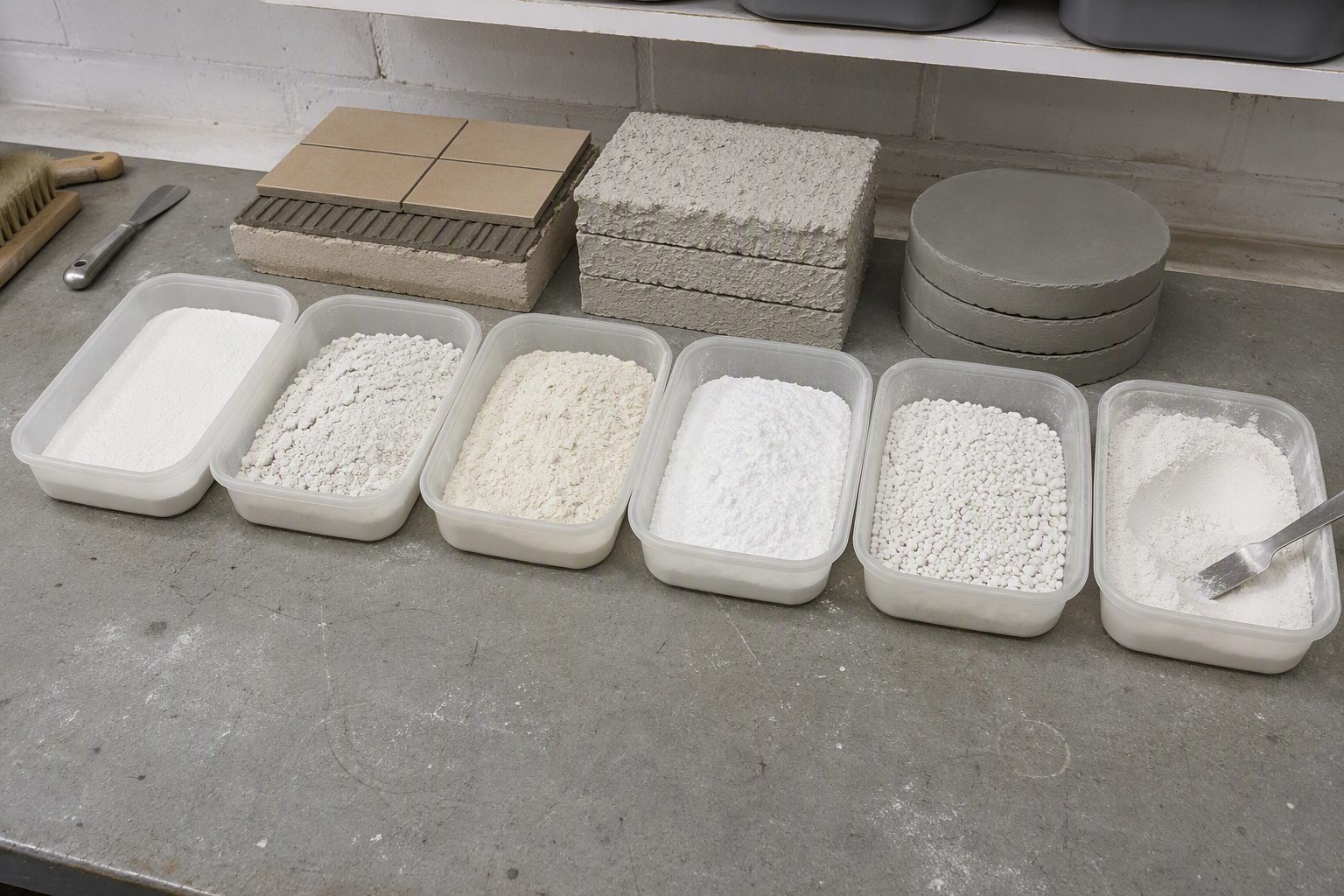
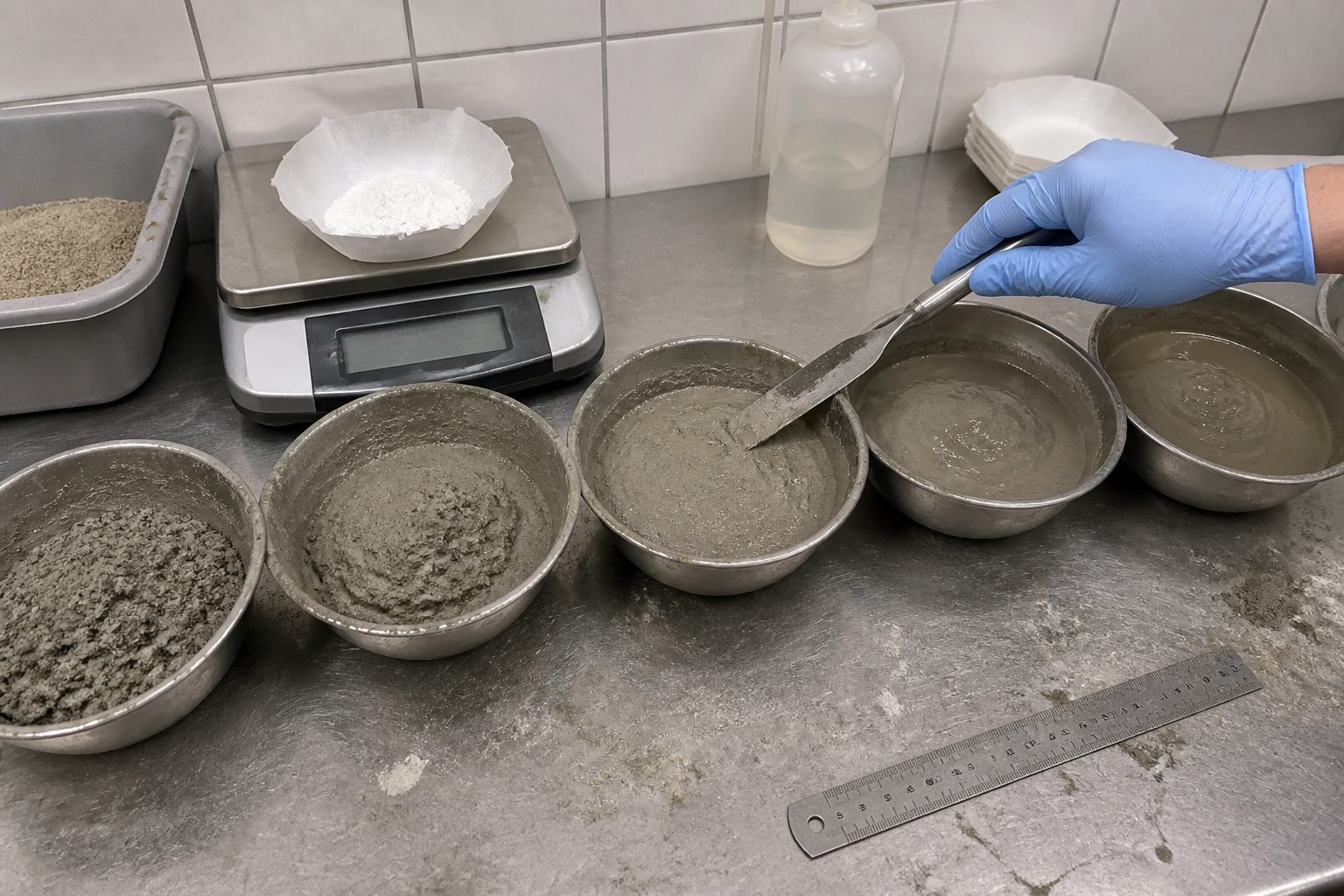
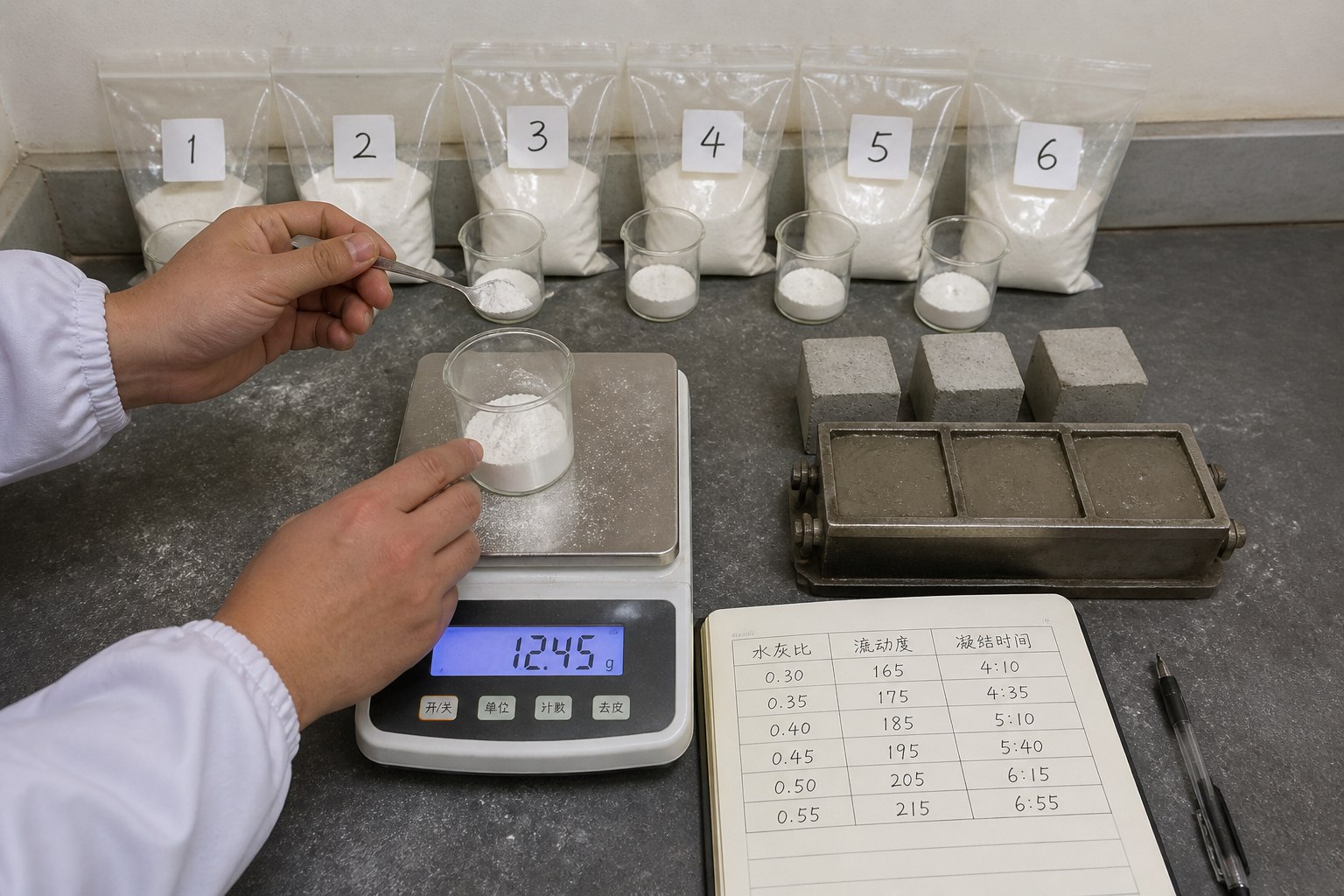
A repeatable evaluation converts a sales sample into documented purchasing evidence.
1. Define
Document the formulation, defect, target and method.
2. Shortlist
Choose candidates around chemistry and application context.
3. Compare
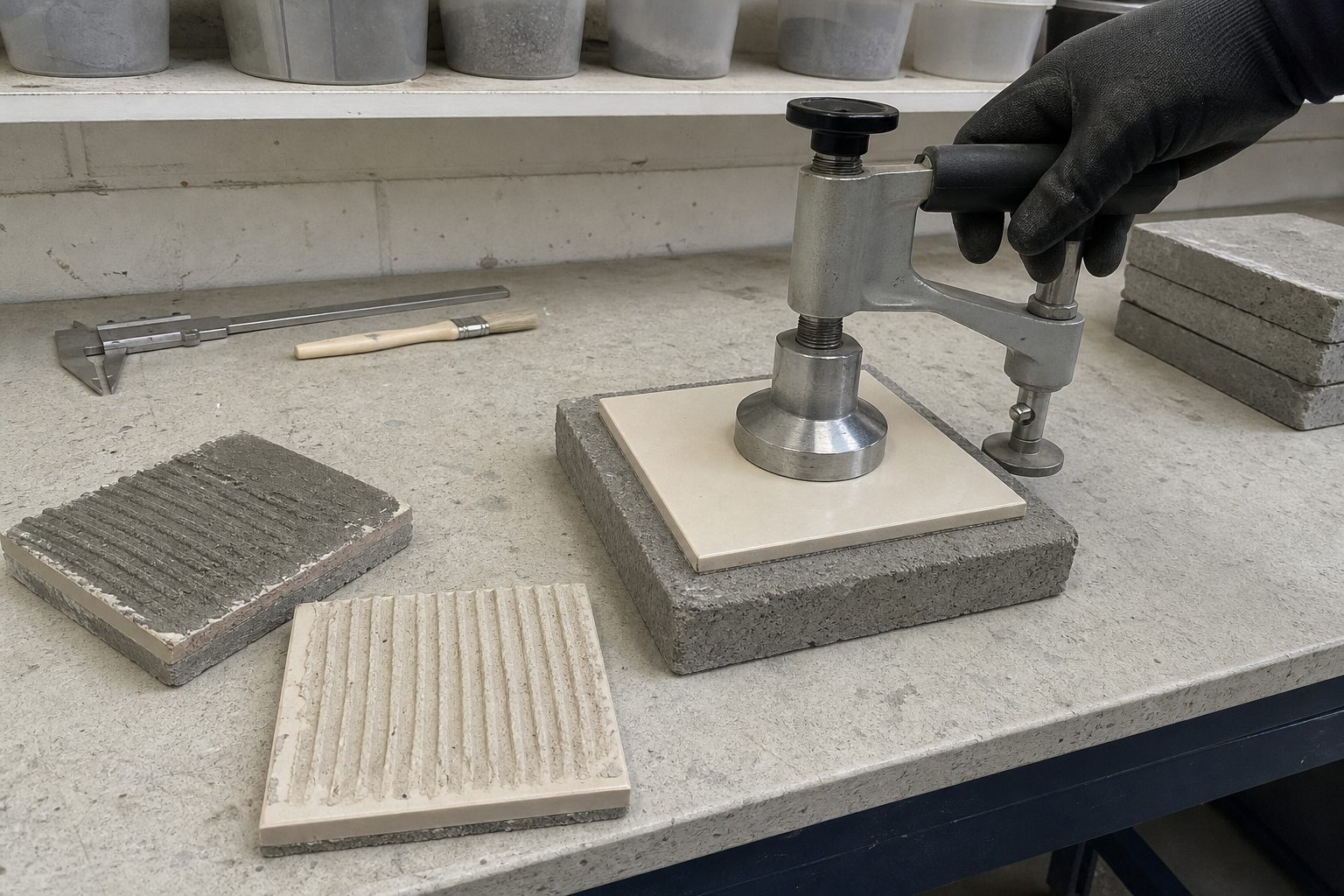
Run control and candidate batches under the same conditions.
4. Approve
Repeat promising results before plant and purchase approval.

Questions before a trial
Resolve the final uncertainties
Can an RDP grade prove the whole EIFS system?
No. The wall assembly includes boards, anchors, mesh, base coat, finish, joints and workmanship.
Is board adhesive the same as base coat?
Not necessarily. Their interfaces and performance priorities can differ.
Does RDP make EIFS waterproof?
Do not make that assumption. Water management and tested system performance involve multiple components.
Why test mesh-reinforced specimens?
Mesh position and embedment directly affect cracking and impact behavior.
What should a trial request include?
System component, board type, substrate, mesh, layer thickness, conditioning and target standard.
Related RDP application pages
Technical guidance
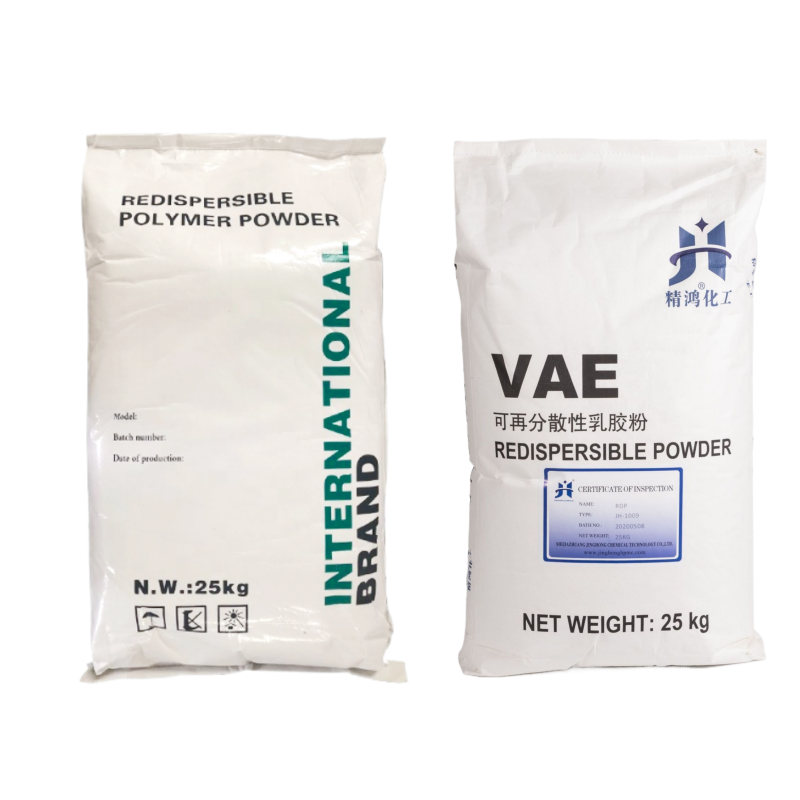
Review the RDP/VAE product overview and these formulation guides before planning a controlled trial.
Send your formulation problem and request a matched RDP sample
Provide the application, binder, current polymer, use level, failure, test method and target. The shortlist should be treated as a trial recommendation, not an unsupported performance guarantee.
Documents are supplied for the agreed grade and batch where applicable. This link sends a request; it is not a public document download.