
Redispersible polymer powder application
RDP for Concrete Repair Mortar
Build repair-mortar trials around substrate bond, shrinkage-related cracking, cohesion and exposure—not a universal polymer dosage.
Attention
Recognize the failure before changing the polymer
Similar symptoms can come from the binder, filler, substrate, water, process or curing. A useful RDP trial begins with a measurable failure and a controlled comparison.
Debonding at the interface
Verify concrete preparation, moisture condition and bonding procedure before changing the RDP.
Cracking around patch edges
Review patch geometry, shrinkage, modulus, curing and layer thickness.
Repair mortar slumps
Fresh stability depends on rheology, aggregate grading and water as well as the polymer system.
Weak internal cohesion
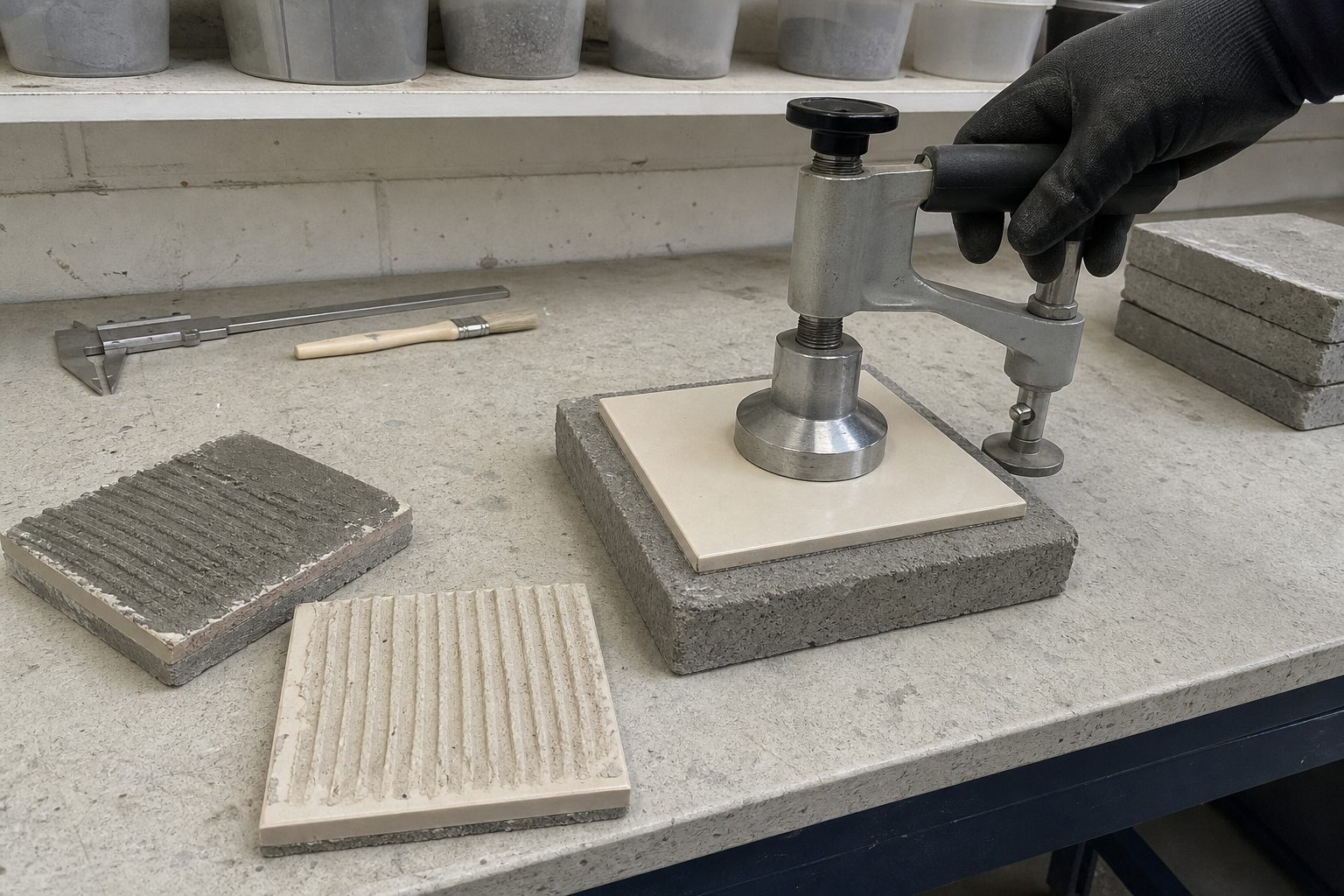
Separate interface failure from cohesive failure and test both deliberately.
Poor performance after exposure
Define water, thermal or other conditioning and compare retained results.
One trial cannot be repeated
Control substrate condition, mixing, placement, compaction and curing for each specimen.
Interest
What RDP may contribute—and what it cannot replace
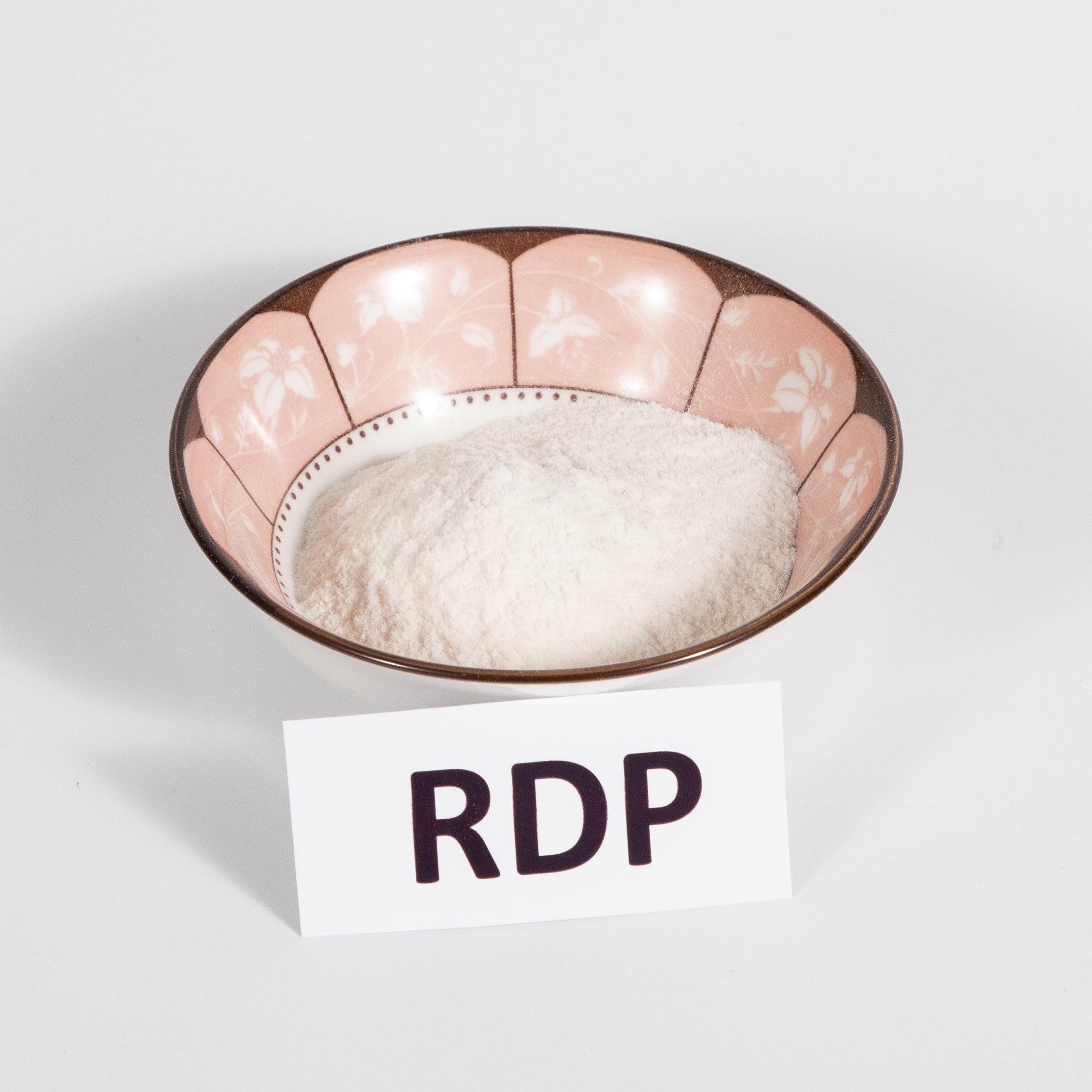
RDP is a polymer modifier. It can support selected cured properties, but it does not replace correct formulation design, HPMC rheology control, substrate preparation or finished-product testing.
Interface support
A compatible polymer may support adhesion to properly prepared concrete within the repair system.
Cohesion and toughness
Polymer modification may reduce brittleness and support internal integrity when balanced with the binder.
Conditioned durability
Relevant exposure testing can show whether the repair retains the required performance.
Selection inputs
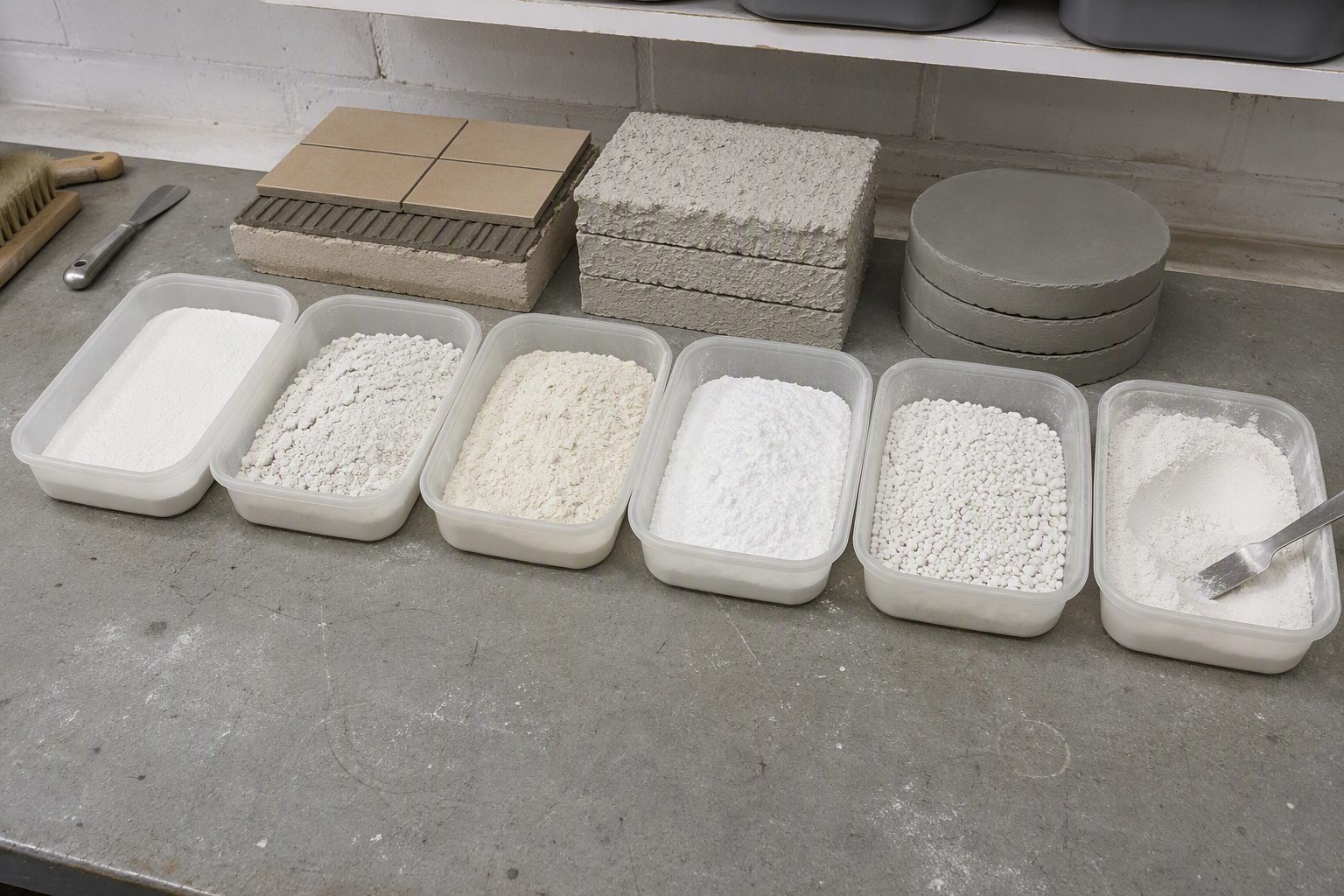
Build the shortlist around your formulation
Share enough context to avoid a generic grade recommendation.
| Input | What to define |
|---|---|
| Repair orientation | Floor, wall, soffit, edge, patch or larger-area repair |
| Substrate | Concrete strength, contamination, roughness and moisture condition |
| Geometry | Patch depth, edge shape and reinforcement context |
| Target | Bond, cohesion, shrinkage, toughness or exposure result |
| Application process | Mixing, priming, placement, finishing and curing |
Desire
De-risk the replacement trial before bulk approval
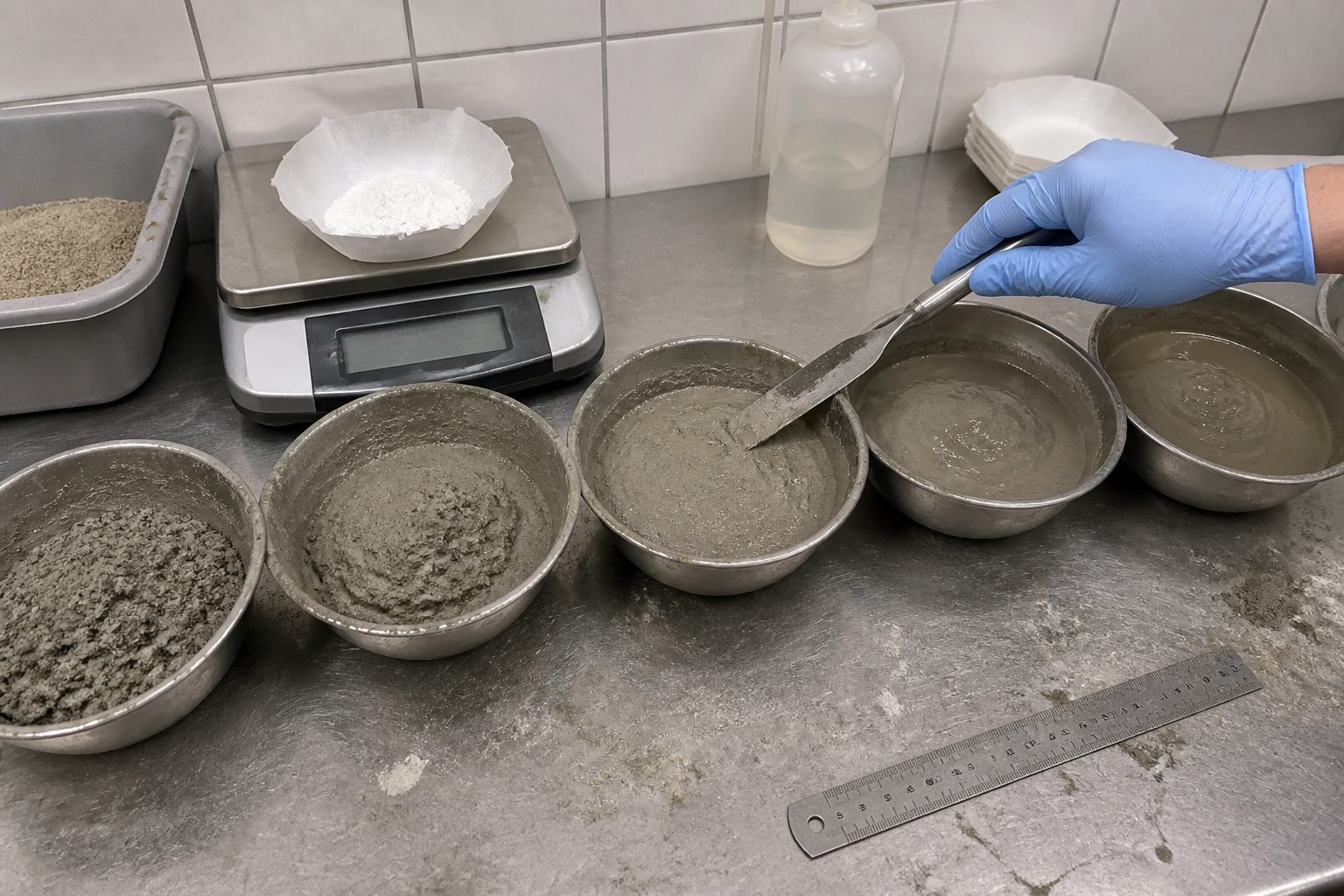
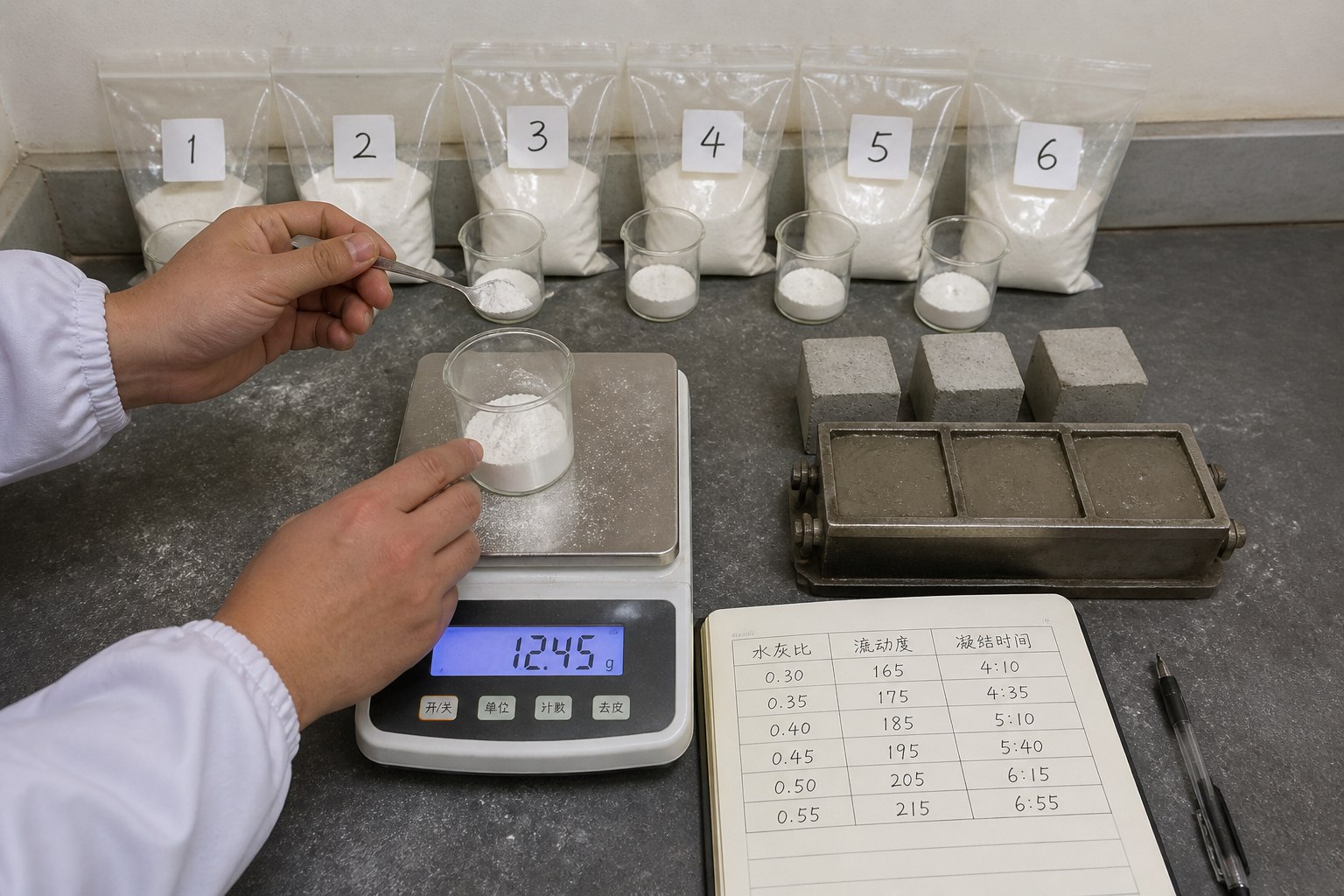
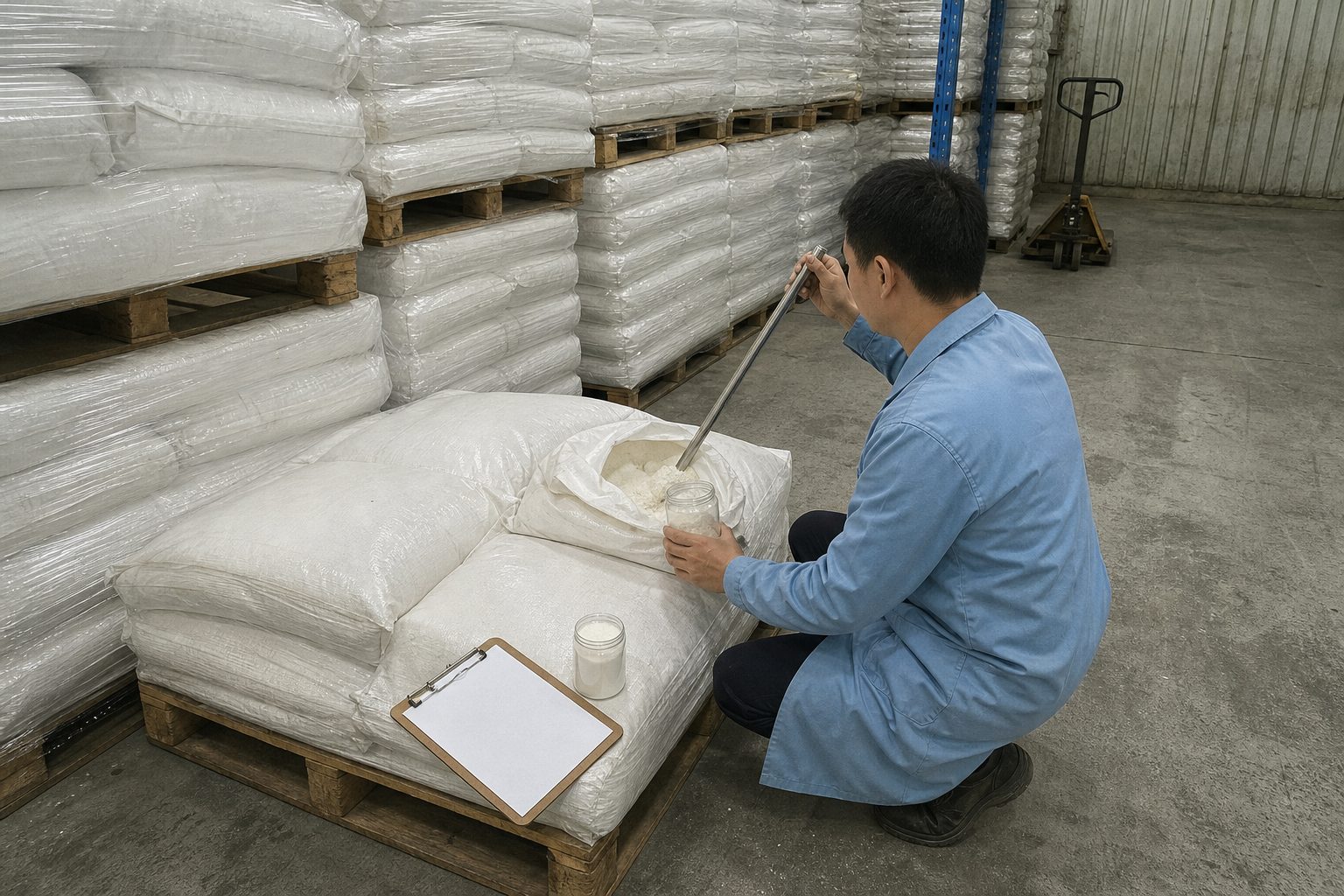
A repeatable evaluation converts a sales sample into documented purchasing evidence.
1. Define
Document the formulation, defect, target and method.
2. Shortlist
Choose candidates around chemistry and application context.
3. Compare
Run control and candidate batches under the same conditions.
4. Approve
Repeat promising results before plant and purchase approval.
Questions before a trial
Resolve the final uncertainties
Can RDP compensate for poor surface preparation?
No. Unsound or contaminated concrete must be addressed before polymer modification can be evaluated.
Does more polymer eliminate shrinkage cracking?
No. Shrinkage depends on water, binder, aggregate, geometry and curing as well as polymer modification.
What bond test should be used?
Use the method specified for the repair system or project and document the failure mode.
Can one grade cover thin and deep repairs?
The rheology and performance balance may differ. Evaluate each repair geometry separately.
What information is needed for a trial?
Repair orientation, substrate, patch depth, current formulation, curing and target test result.
Related RDP application pages
Technical guidance
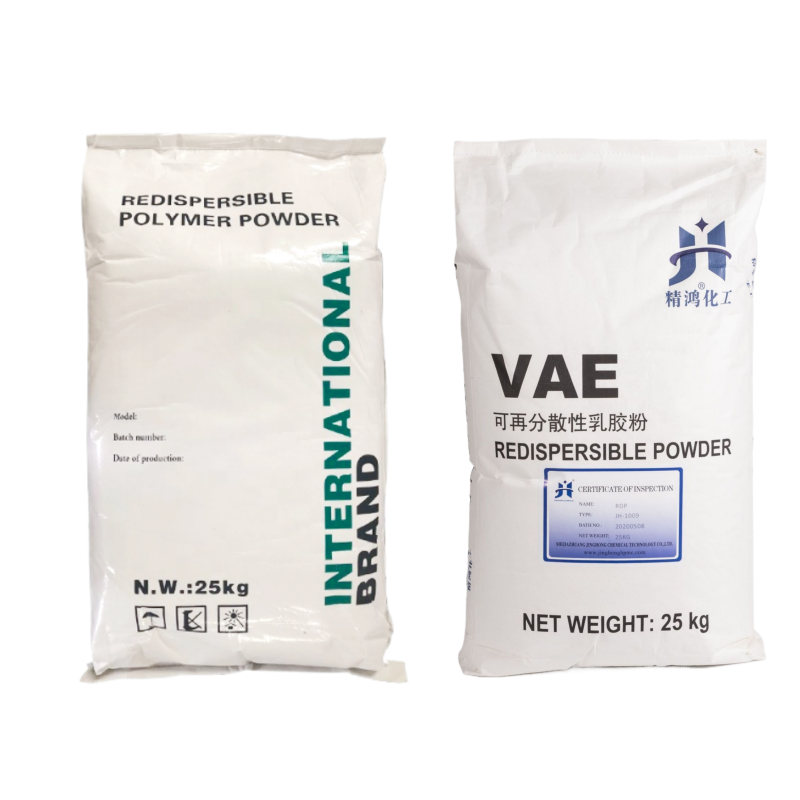
Review the RDP/VAE product overview and these formulation guides before planning a controlled trial.
Send your formulation problem and request a matched RDP sample
Provide the application, binder, current polymer, use level, failure, test method and target. The shortlist should be treated as a trial recommendation, not an unsupported performance guarantee.
Documents are supplied for the agreed grade and batch where applicable. This link sends a request; it is not a public document download.