
Redispersible polymer powder application
RDP for Tile Adhesive Formulations
Match polymer modification to the tile, substrate, exposure and bond target—then verify the complete adhesive, not the powder in isolation.
Attention
Recognize the failure before changing the polymer
Similar symptoms can come from the binder, filler, substrate, water, process or curing. A useful RDP trial begins with a measurable failure and a controlled comparison.
Low bond to tile or substrate
Identify where failure occurs and verify preparation, wetting and curing before changing the polymer.
Bond loss after conditioning
Use the specified conditioning method and compare retained performance, not a general waterproof claim.
Brittle adhesive layer
Connect grade selection to deformation and movement requirements for the installation.
Large-format tile risk
Review contact coverage, bed thickness, tile weight and substrate flatness with the complete additive system.
Good laboratory result, poor site result
Reproduce water addition, open time, troweling and environmental conditions in the trial plan.
RDP expected to fix rapid drying
Water retention and open time also depend strongly on HPMC, substrate suction and climate.
Interest
What RDP may contribute—and what it cannot replace
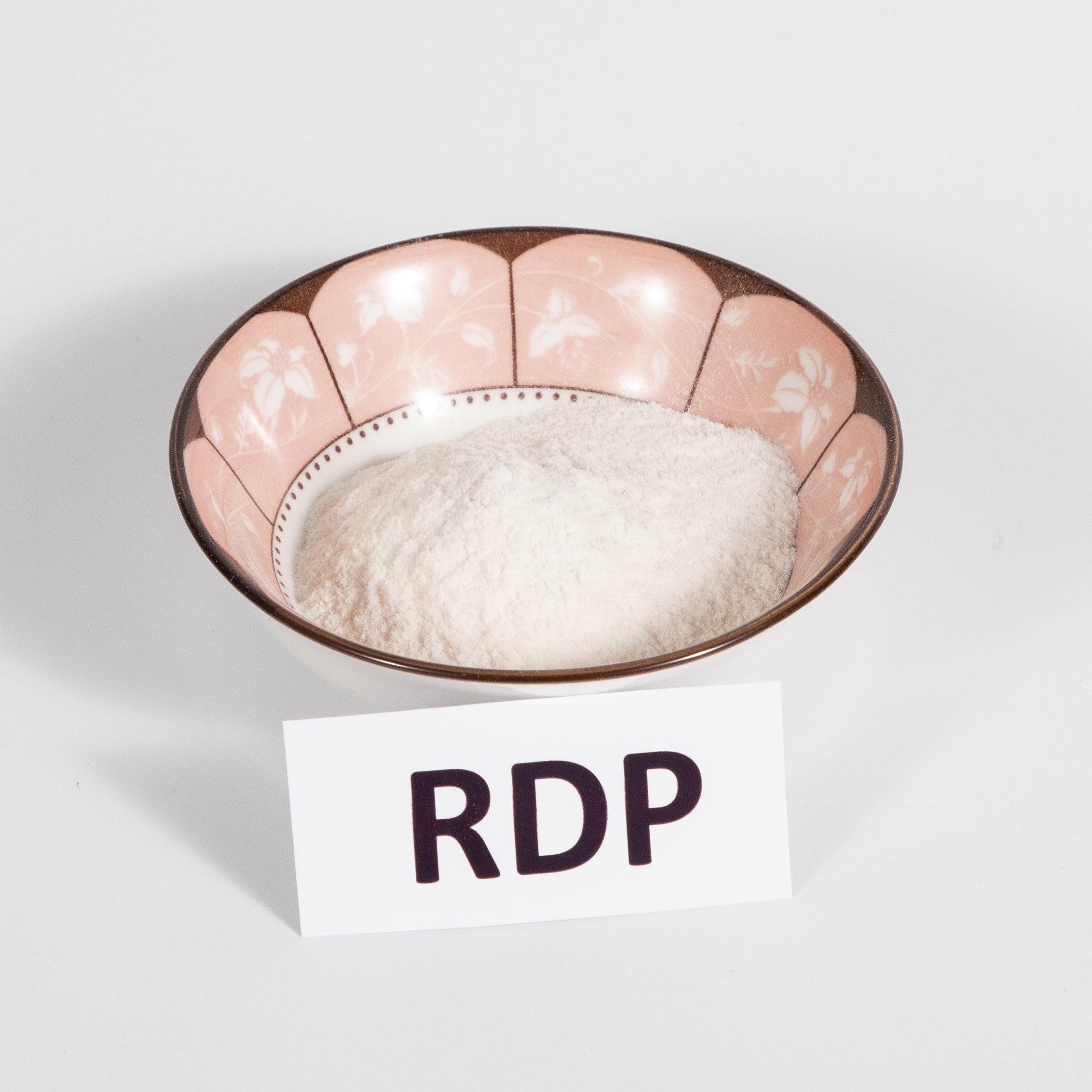
RDP is a polymer modifier. It can support selected cured properties, but it does not replace correct formulation design, HPMC rheology control, substrate preparation or finished-product testing.
Bond modification
A suitable polymer may support adhesion to the defined tile and substrate within a balanced formulation.
Deformation tolerance
Polymer modification may help the cured layer accommodate movement when verified by the relevant method.
Conditioned performance
Controlled dry, water and heat-aging comparisons reveal whether the target is retained.
Selection inputs
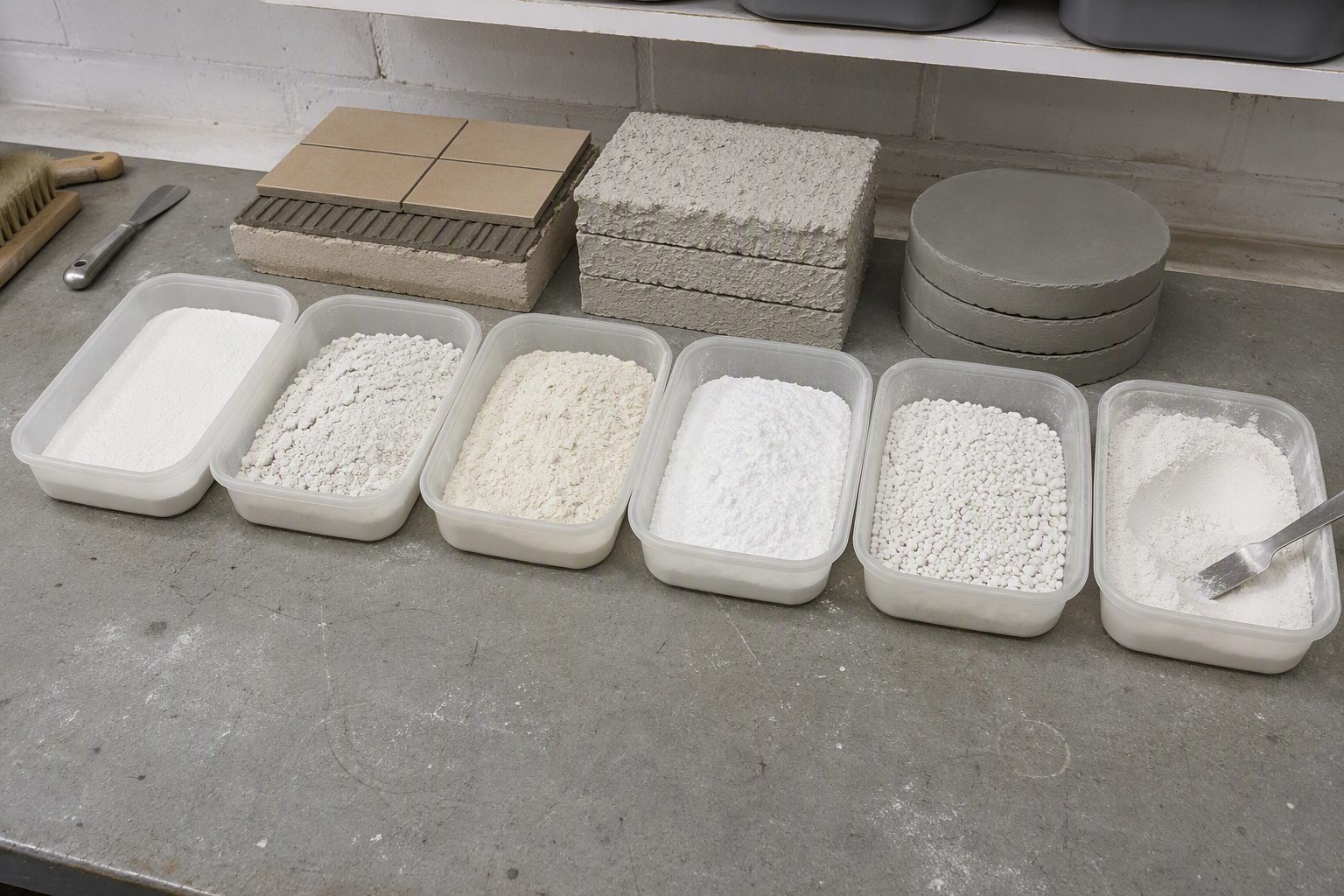
Build the shortlist around your formulation
Share enough context to avoid a generic grade recommendation.
| Input | What to define |
|---|---|
| Tile | Ceramic, porcelain, stone or another defined facing material |
| Substrate | Concrete, screed, render, board or another prepared surface |
| Environment | Interior, exterior, wet area, façade or heated floor |
| Target | Bond, deformability, cohesion or conditioning result |
| Test method | Applicable classification, specimen build-up and curing |
Desire
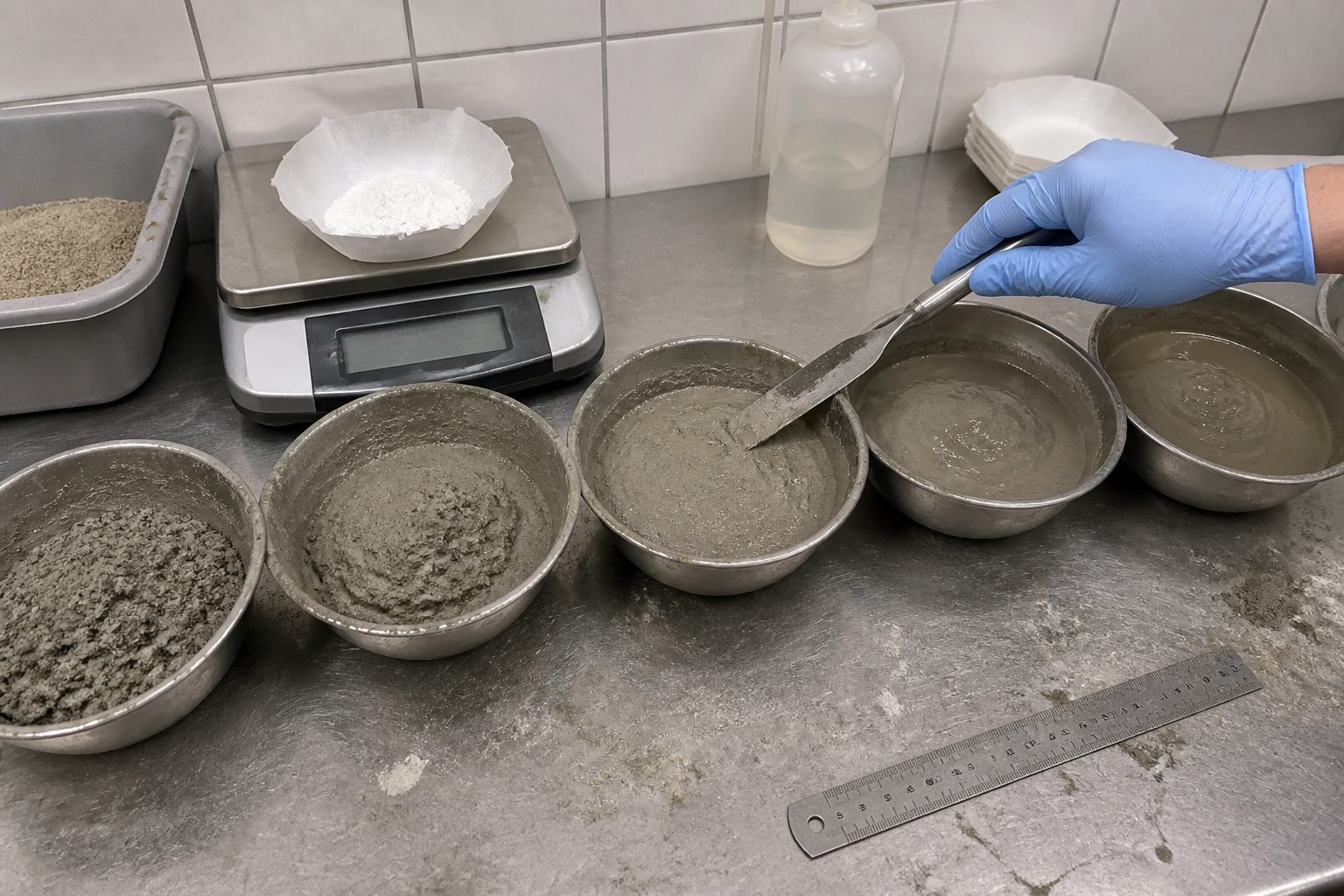
De-risk the replacement trial before bulk approval
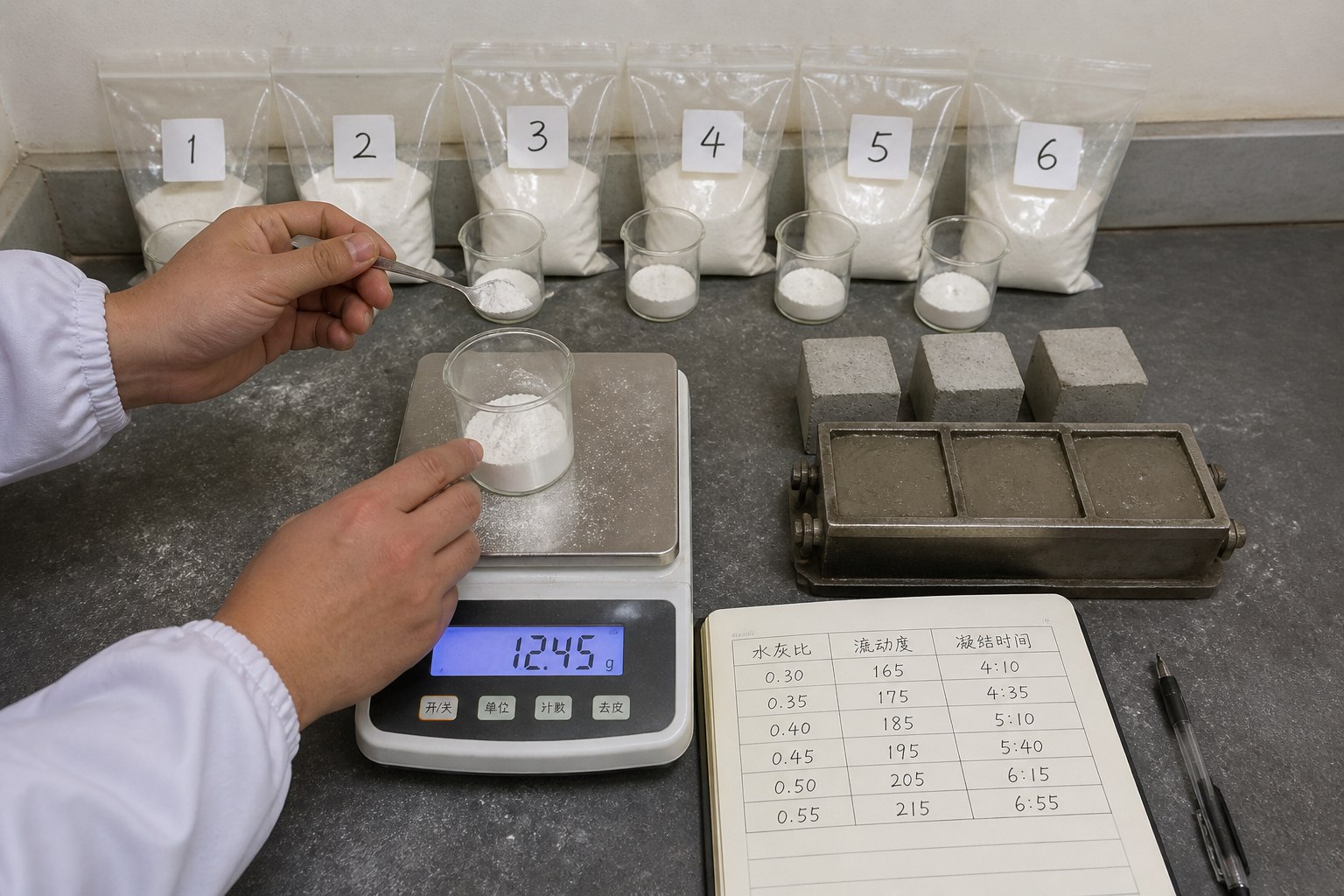
A repeatable evaluation converts a sales sample into documented purchasing evidence.
1. Define
Document the formulation, defect, target and method.
2. Shortlist
Choose candidates around chemistry and application context.
3. Compare
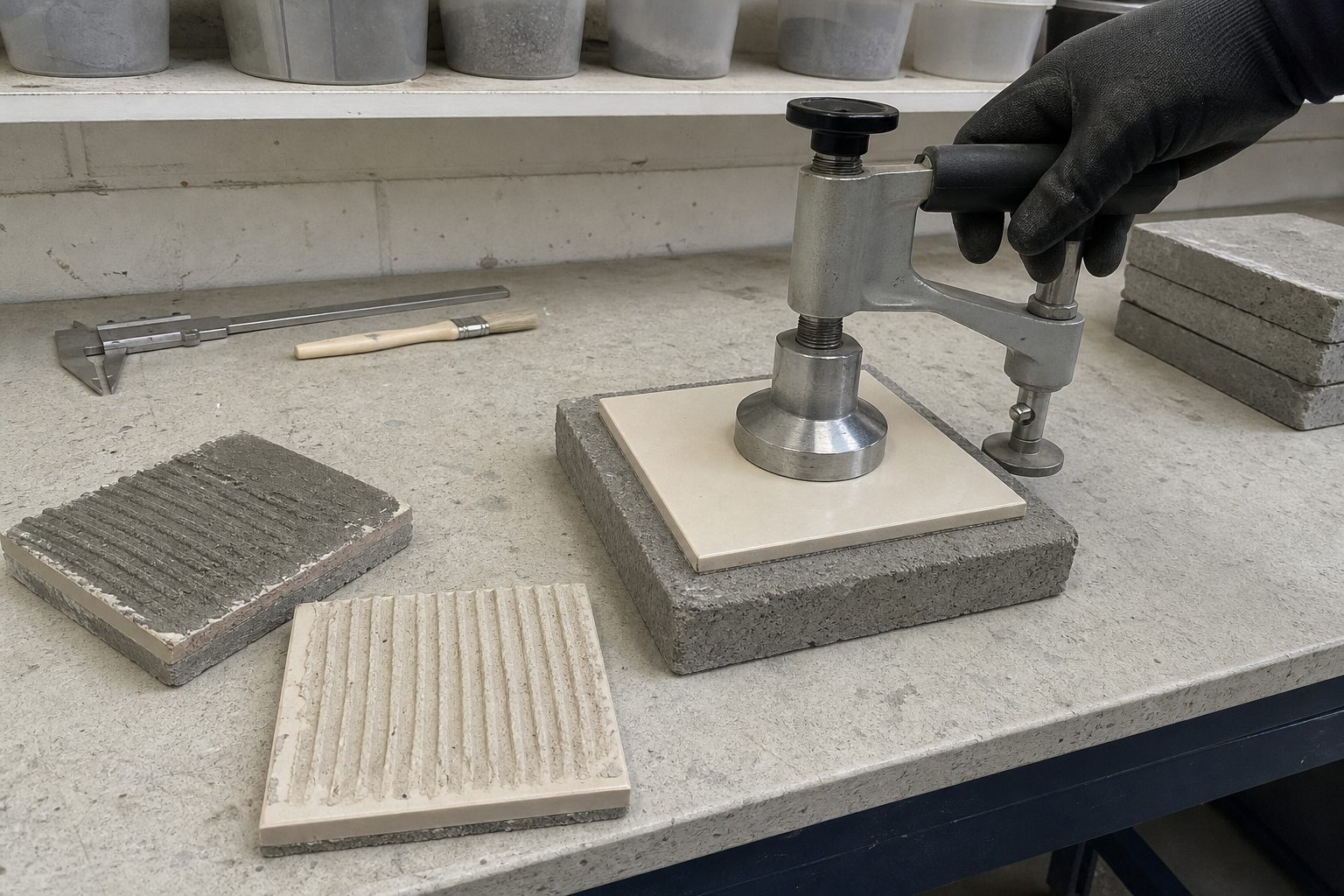
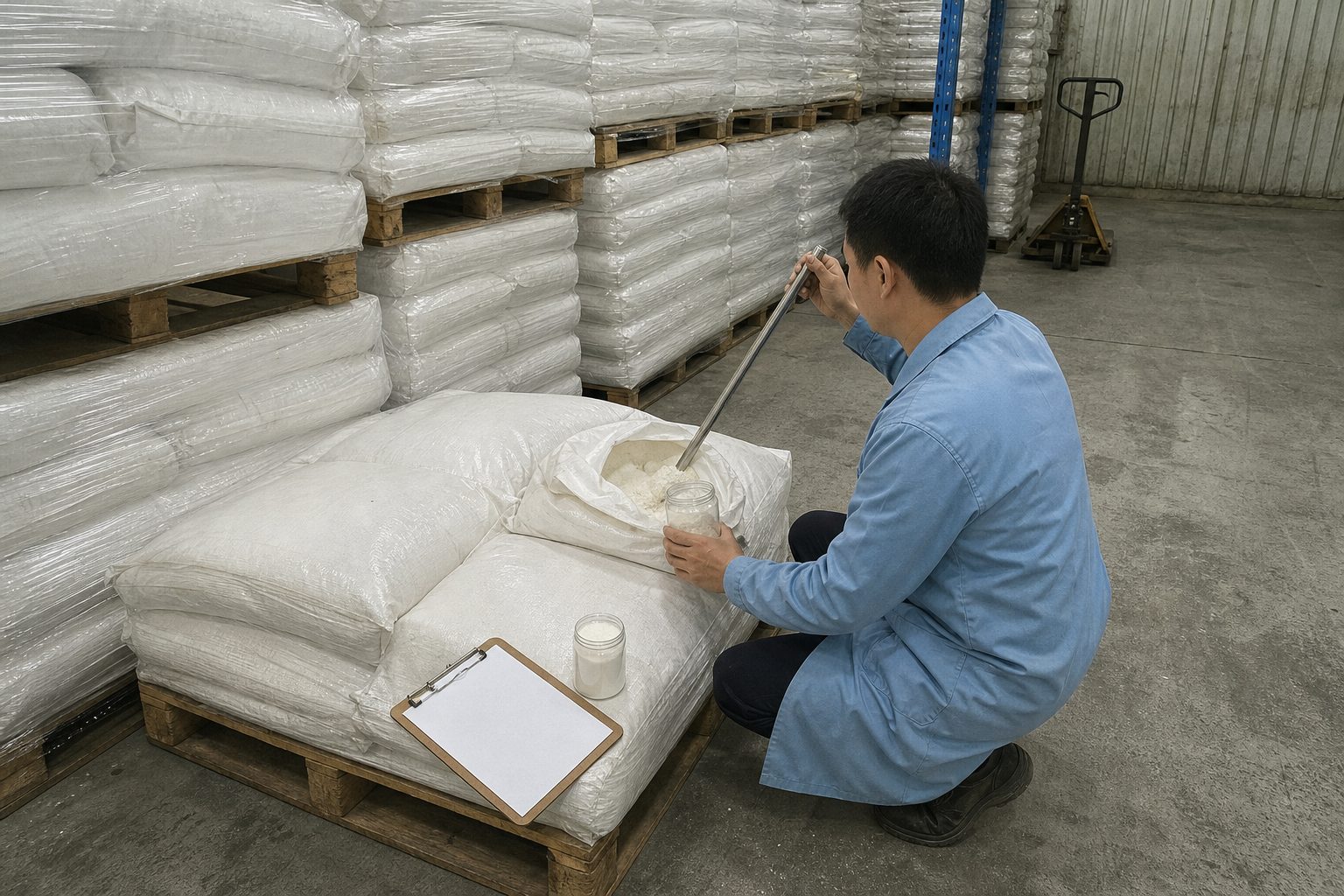
Run control and candidate batches under the same conditions.
4. Approve
Repeat promising results before plant and purchase approval.
Questions before a trial
Resolve the final uncertainties
Does more RDP guarantee a higher tile-adhesive class?
No. Classification depends on the complete formulation and test result, not RDP level alone.
Can RDP improve open time?
It may influence the system, but HPMC, water retention, substrate and climate are central. Test the complete additive balance.
Which tile information matters?
Absorption, size, weight, back texture and intended installation environment.
Should samples be tested against the current grade?
Yes. Keep other variables controlled and compare the candidate with a documented control.
Can a supplier guarantee EN 12004 performance?
A supplier can support formulation trials, but the finished adhesive must be tested under the applicable standard and local requirements.
Related RDP application pages
Technical guidance
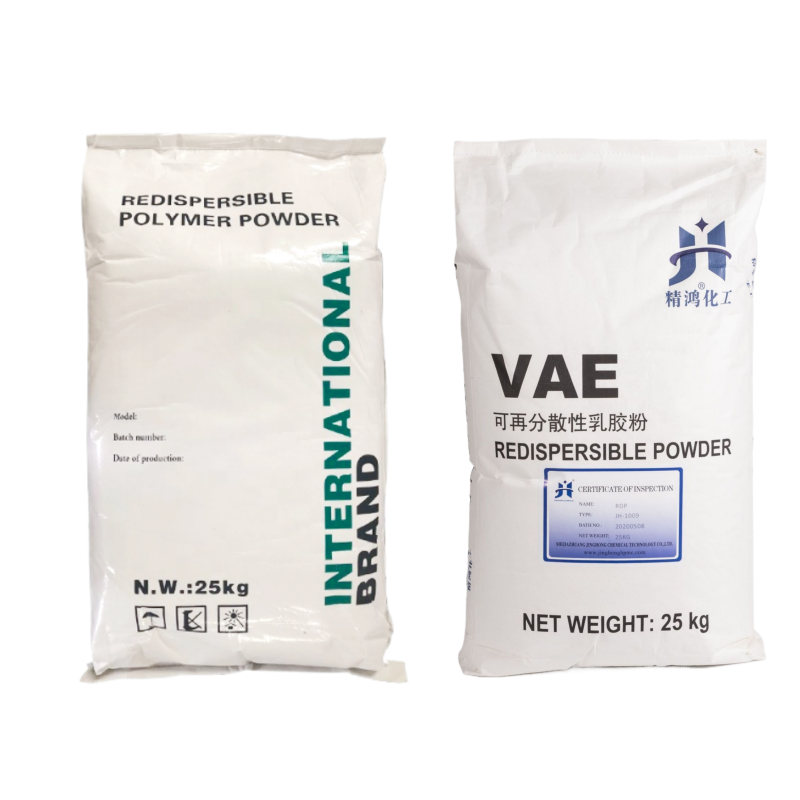
Review the RDP/VAE product overview and these formulation guides before planning a controlled trial.
Send your formulation problem and request a matched RDP sample
Provide the application, binder, current polymer, use level, failure, test method and target. The shortlist should be treated as a trial recommendation, not an unsupported performance guarantee.
Documents are supplied for the agreed grade and batch where applicable. This link sends a request; it is not a public document download.