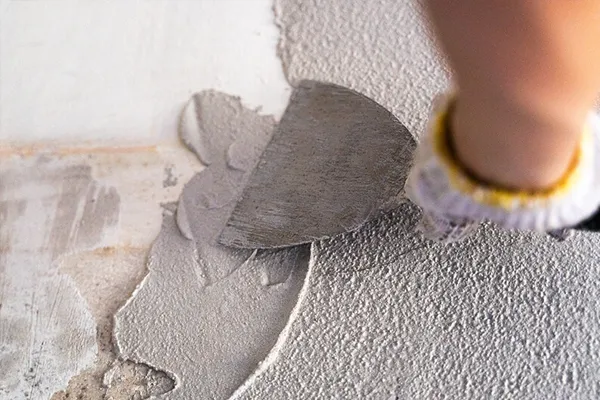
When skim coat or wall putty fails, it often leads to cracks, uneven surfaces, or wasted labor. Many construction teams struggle with these issues because they choose the wrong additive.
Hydroxypropyl Methyl Cellulose (HPMC) is critical for skim coat and wall putty because it improves water retention, enhances workability, and prevents cracks. These functions ensure smoother application, better surface quality, and long-term durability, which is why HPMC is trusted by professionals worldwide.
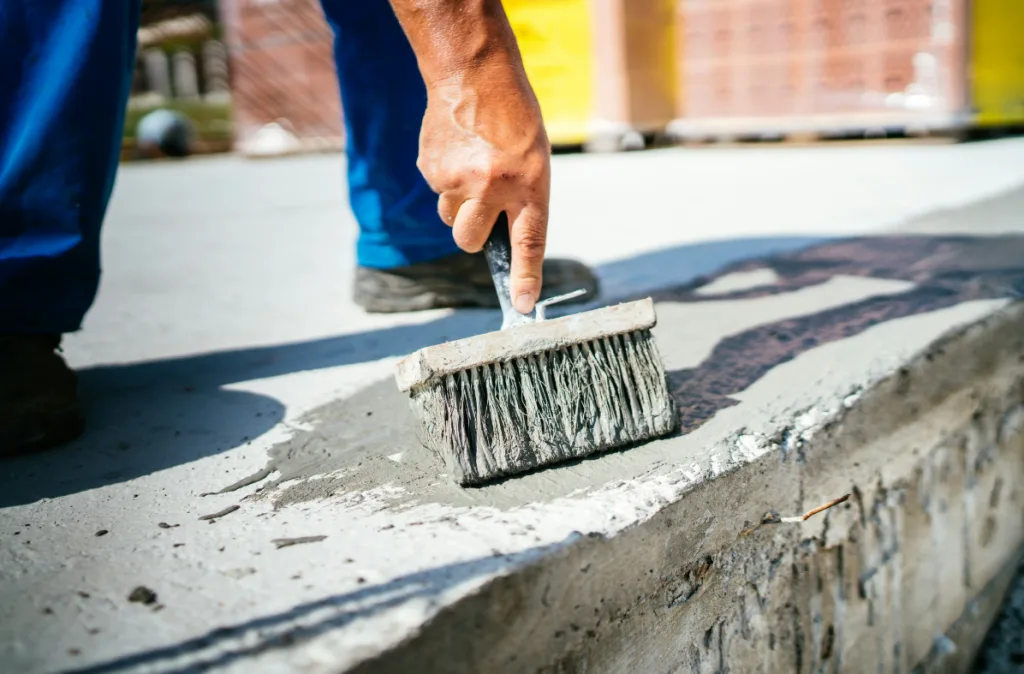
HPMC for skim coat
Choosing the right cellulose ether can make the difference between failure and success. With HPMC, contractors save time and reduce rework. Now let us explore why HPMC is so important in detail.
The Role of Hydroxypropyl Methyl Cellulose in Enhancing Water Retention in Tile Adhesives?
When water evaporates too fast in adhesives, tiles fail to bond properly. This problem leads to costly repairs and weak results.
HPMC enhances water retention in tile adhesives by slowing down evaporation. This ensures proper hydration of cement, stronger adhesion, and longer open time during installation. Without it, tiles risk debonding and inconsistent results.
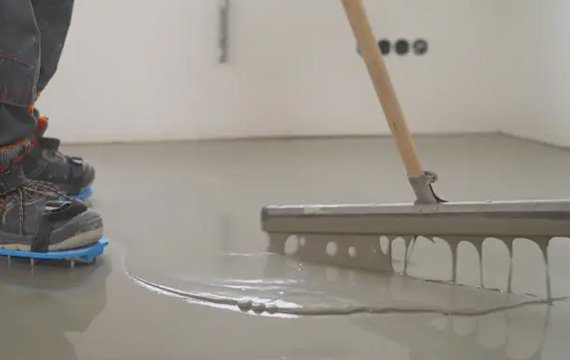
HPMC water retention
How Water Retention Works
When cement in adhesives hydrates too quickly, it does not form enough strong bonds. HPMC acts as a protective layer that slows water loss. This helps workers spread adhesives smoothly without worrying about premature drying.
Key Benefits of Water Retention
| Benefit | Why It Matters |
|---|---|
| Longer open time | Workers can adjust tiles more easily |
| Stronger bonding | Ensures tiles stay firmly attached |
| Consistent performance | Reduces failures on large projects |
According to ResearchGate, HPMC is one of the most effective agents for water retention in cement systems. This is why most international standards recommend its use. In my own experience, tile installers who tried cheaper alternatives often faced weak bonding and callbacks. After switching to HPMC, they reduced their complaints and improved efficiency. This proves why water retention is not just a technical detail but a real solution for everyday construction.
How Hydroxypropyl Methyl Cellulose Improves Workability in Skim Coat?
Skim coat that is too dry or sticky is hard to spread. Workers often complain about wasted time and poor finish when the material does not glide well.
HPMC improves workability in skim coat by balancing water demand and viscosity. This allows smooth application, easier spreading, and consistent thickness, which ensures better productivity and surface quality.
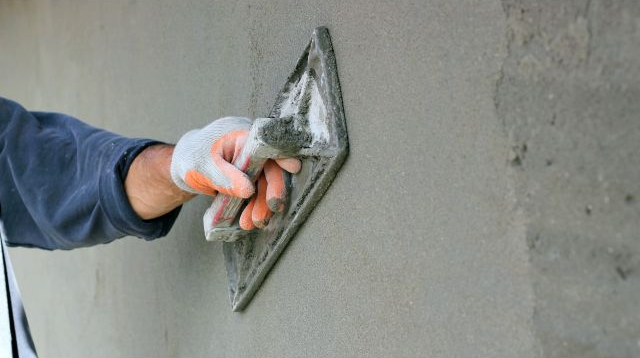
HPMC workability
Breaking Down Workability
Workability is not just about how easy it feels to apply. It covers water demand, spreadability, and resistance to sagging. HPMC modifies these properties at the right level.
How HPMC Improves Application
| Factor | Effect of HPMC |
|---|---|
| Water demand | Prevents mixes from drying too fast |
| Spreadability | Ensures even and smooth layers |
| Sag resistance | Keeps material stable on vertical walls |
The smoother a skim coat spreads, the less energy workers waste. In one project I joined in Southeast Asia, a contractor reported that HPMC-based skim coat cut application time by almost 20%. That time saving was possible because workers did not need to redo rough patches. Better workability means higher efficiency and reduced cost.
The Role of Hydroxypropyl Methyl Cellulose in Crack Resistance and Surface Smoothness?
Cracks and uneven finishes are two of the biggest frustrations in skim coat projects. Both problems increase costs and damage reputation.
HPMC improves crack resistance and surface smoothness by reducing shrinkage and maintaining flexibility. This results in a finer finish, fewer defects, and longer durability, making it a key additive for quality construction.
Why Cracks Happen
Cracks often come from shrinkage during drying. Without enough water retention and flexibility, the skim coat becomes brittle. HPMC prevents this by controlling water evaporation and improving cohesion.
Smoothness as a Selling Point
| Feature | Impact |
|---|---|
| Crack control | Reduces repair costs |
| Flexible matrix | Adapts to minor movements in substrate |
| Smooth surface | Improves painting or finishing |
According to ScienceDirect, HPMC is proven to minimize microcracks in cement-based mortars. I also witnessed a real case in Africa where a contractor switched to HPMC-based wall putty. The result was a surface so smooth that painters finished the job faster and used less paint. This is a clear financial benefit as well as a technical one.
Why Construction Companies Prefer Hydroxypropyl Methyl Cellulose for Wall Putty?
Construction companies always look for consistency, cost savings, and fewer risks. The choice of additives plays a big role in their decision-making.
Companies prefer HPMC in wall putty because it ensures strong adhesion, smooth finish, longer open time, and reduced rework. These advantages align with project demands for speed, quality, and cost control.
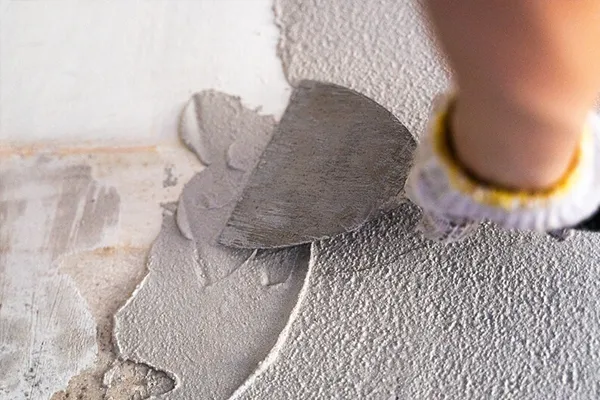
HPMC wall putty
Market Trends
Large construction companies often choose suppliers that guarantee stable quality. HPMC has become the industry standard for wall putty because it meets international performance benchmarks.
Why Industry Chooses HPMC
| Reason | Why It Matters |
|---|---|
| Quality consistency | Reduces complaints from clients |
| Cost efficiency | Less rework and waste |
| Industry trust | Global acceptance and proven results |
In discussions at exhibitions, I often hear engineers mention that HPMC-based putty is easier to work with and less risky. Procurement managers also confirm that using HPMC reduces warranty claims. This shows that preference is not only based on technical performance but also on the confidence it brings to big projects.
Conclusion
HPMC is critical for skim coat and wall putty because it solves real construction problems: poor workability, cracks, weak adhesion, and uneven surfaces. It makes projects faster, smoother, and more reliable.