HPMC for Tile Adhesive Formulations
Shortlist an HPMC grade around your formulation, climate and application target—not a viscosity number alone. Jinghong supports controlled sample comparison for water retention, troweling, open time and slip behavior.
Recognize the failure before changing the grade
Adhesive skins too quickly
Review substrate suction, temperature, wind, spread area, water retention and open-time testing.
Tiles slide on the wall
Review fresh-mortar rheology, tile weight, ridge stability, bed thickness and the complete additive system.
Mortar feels heavy or sticky
Review HPMC grade, dosage, water demand, mixing procedure and interactions with starch ether or other modifiers.
Bond performance is low
Do not treat this as an HPMC-only issue. Check cement, polymer, substrate preparation, coverage, curing and product classification.
Results vary by batch
Compare lot traceability, agreed viscosity method, moisture, powder handling and a standardized mortar reference trial.
Hot-climate working time is short
Reproduce the target climate in trials and evaluate water retention, skinning, open time and adjustment behavior together.
Control the fresh mortar—not the bond by itself
In cement-based tile adhesive, HPMC primarily supports water retention and wet-mortar rheology. Cement forms the main mineral matrix, while redispersible polymer powder may contribute to adhesion and deformation behavior. The final result depends on the complete formulation, substrate, tile, climate and installation method.
Retain workable moisture
Reduce premature water loss into absorbent substrates or dry air, helping the fresh mortar remain workable during application.
Balance troweling and slip
Support smooth spreading and stable ridges while helping limit tile movement on vertical surfaces.
Support open and adjustment time
Help preserve the application window, subject to formulation, temperature, humidity and substrate suction.
Why viscosity alone is not enough
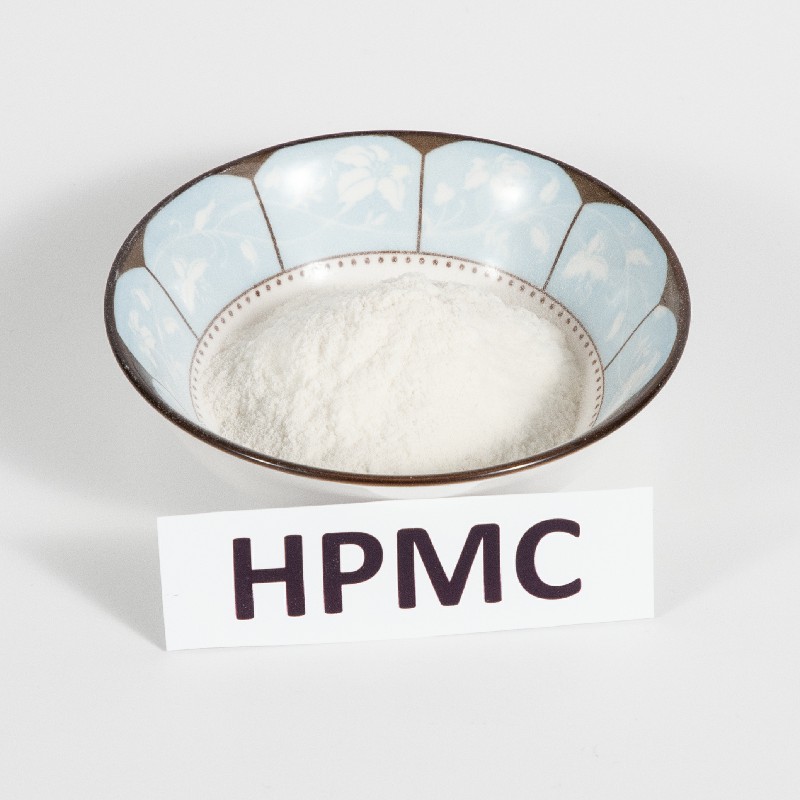
Two HPMC grades with similar stated viscosity can behave differently because test method, substitution pattern, modification, particle characteristics and interaction with other raw materials all matter.
| Selection input | Why it matters |
|---|---|
| Formulation type | Economy, standard polymer-modified and deformable adhesives require different balances. |
| Application climate | Hot, dry and windy conditions increase water-loss pressure; cool or humid conditions change drying behavior. |
| Substrate & tile | Absorption, tile size, weight and bed thickness influence wetting and slip requirements. |
| Current complaint | Short open time, heavy troweling, tile slip and batch variation require different diagnostic paths. |
| Acceptance method | Hand feel is useful, but final claims require controlled or qualified testing. |
De-risk your replacement trial before bulk approval
A structured sample comparison turns technical uncertainty into a documented purchase decision.
Define
Share the current formulation range, grade, dosage, test method and commercial target.
Shortlist
Select candidate grades around application conditions and the problem to solve.
Compare
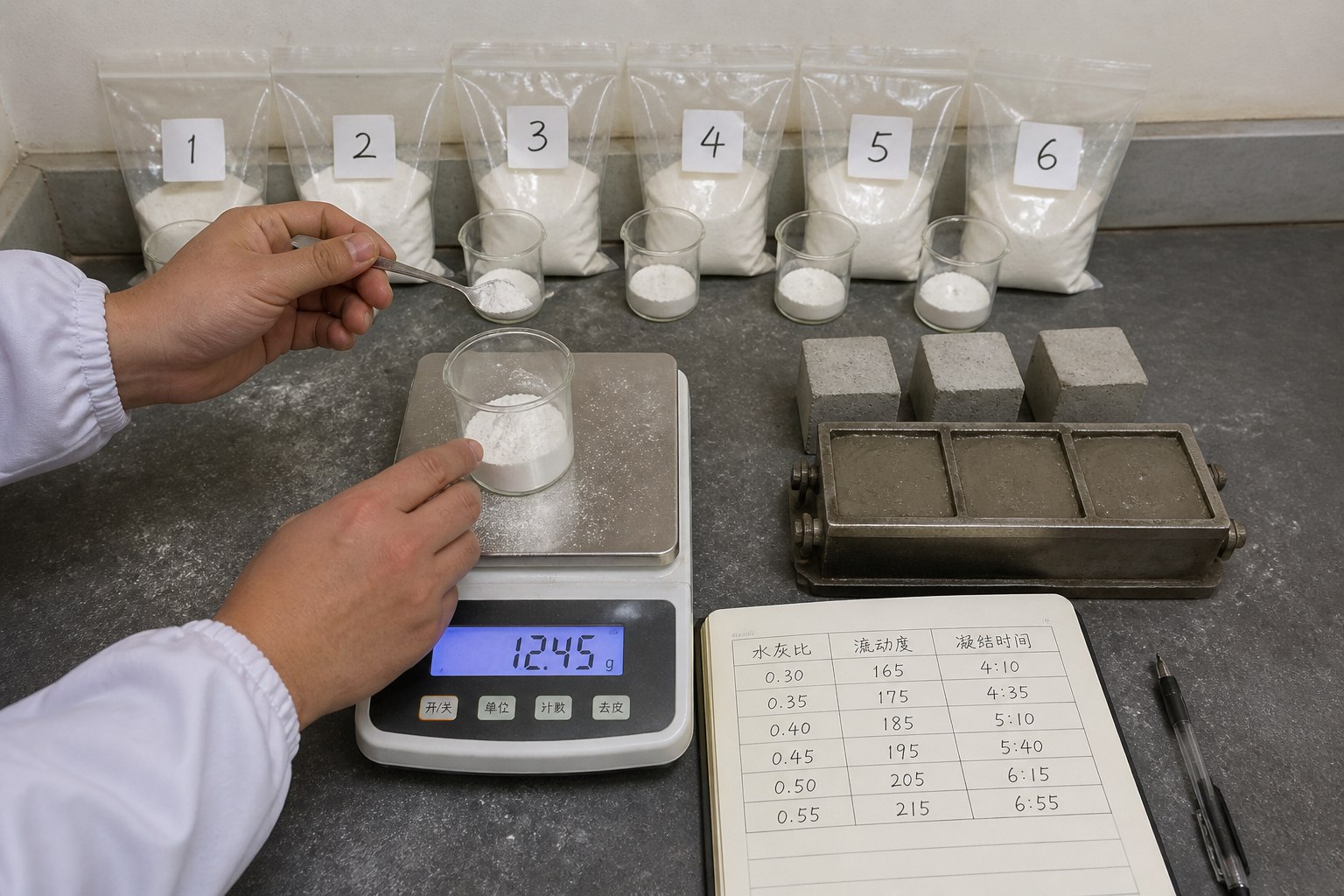
Run control and candidate batches with the same raw materials and mixing procedure.
Confirm
Repeat promising trials and approve against measurable acceptance criteria before bulk ordering.
Build confidence beyond the first sample
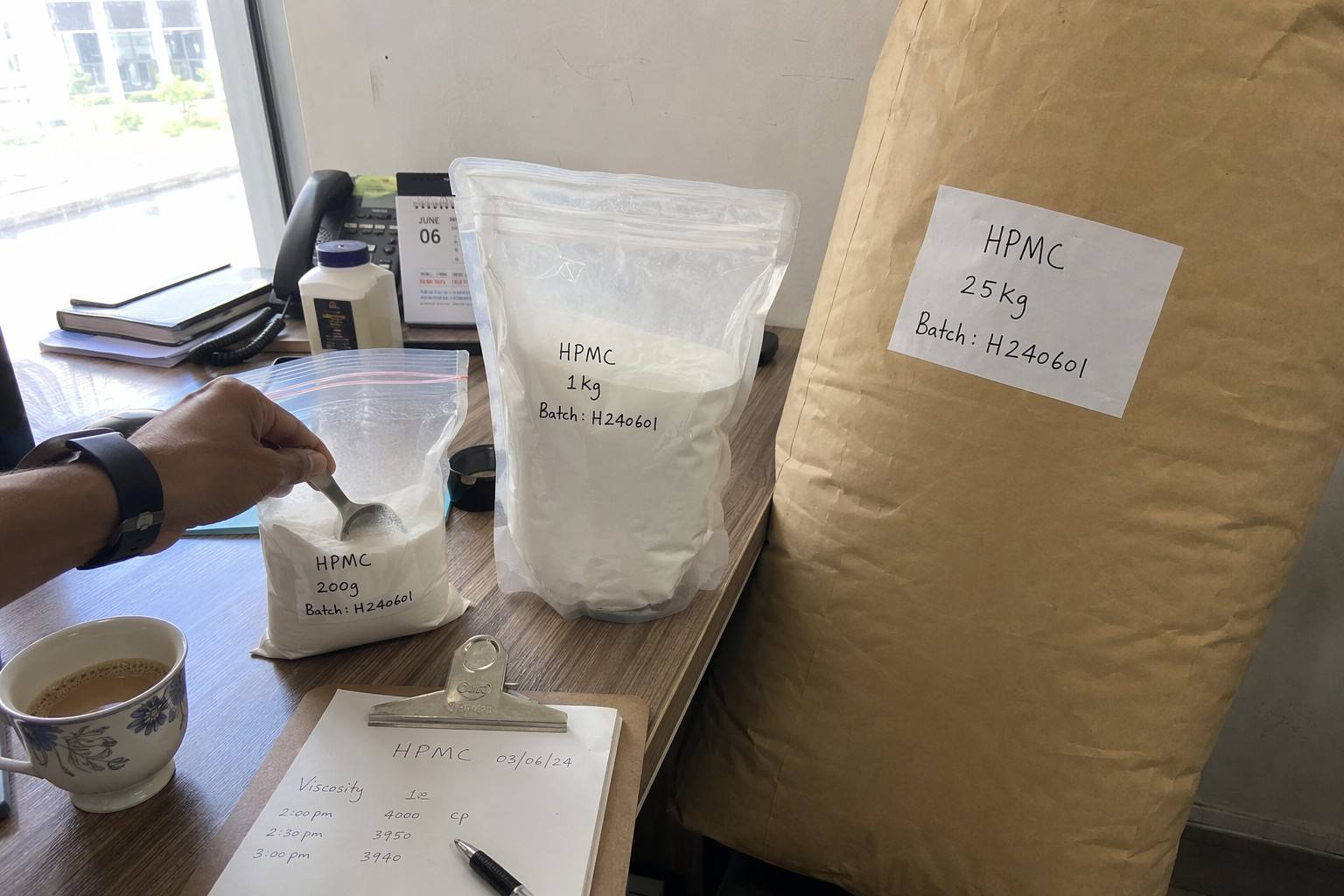
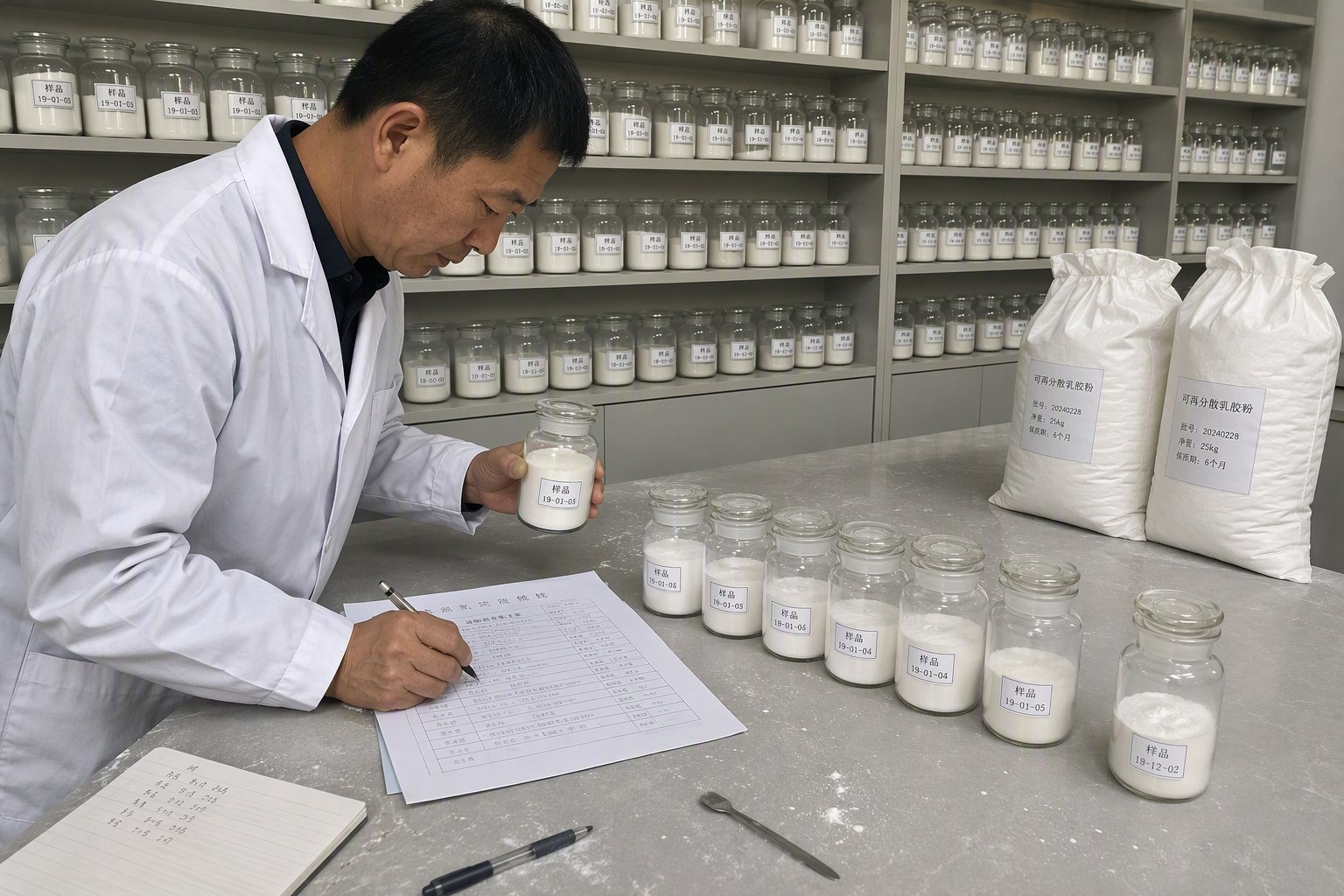
A good sample is only the beginning. Review batch consistency, documentation, packaging, traceability and deviation handling before commercial approval.
- Technical data sheet and stated viscosity method
- Batch-specific certificate of analysis
- Current safety data sheet
- Lot identification and retained-sample process
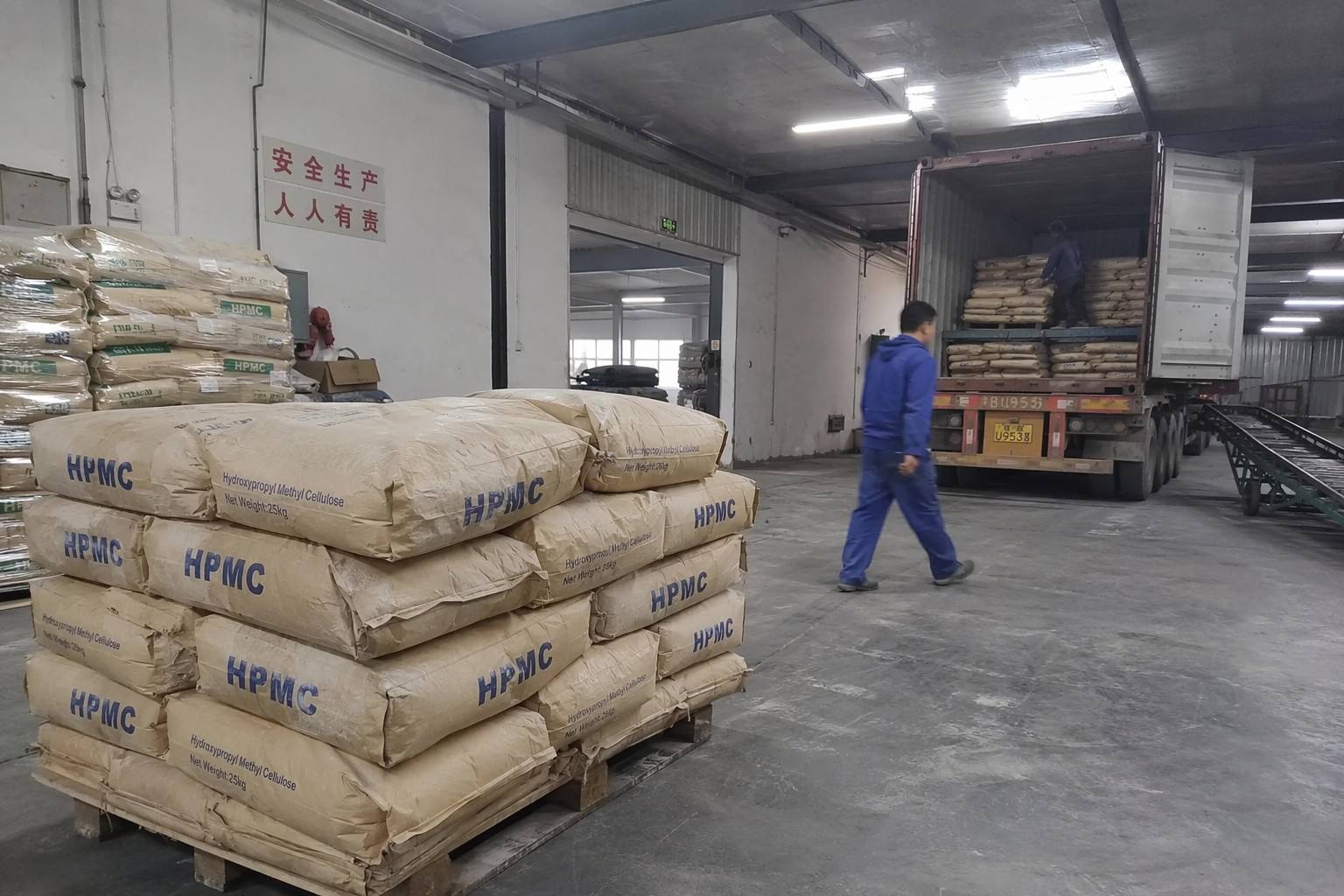
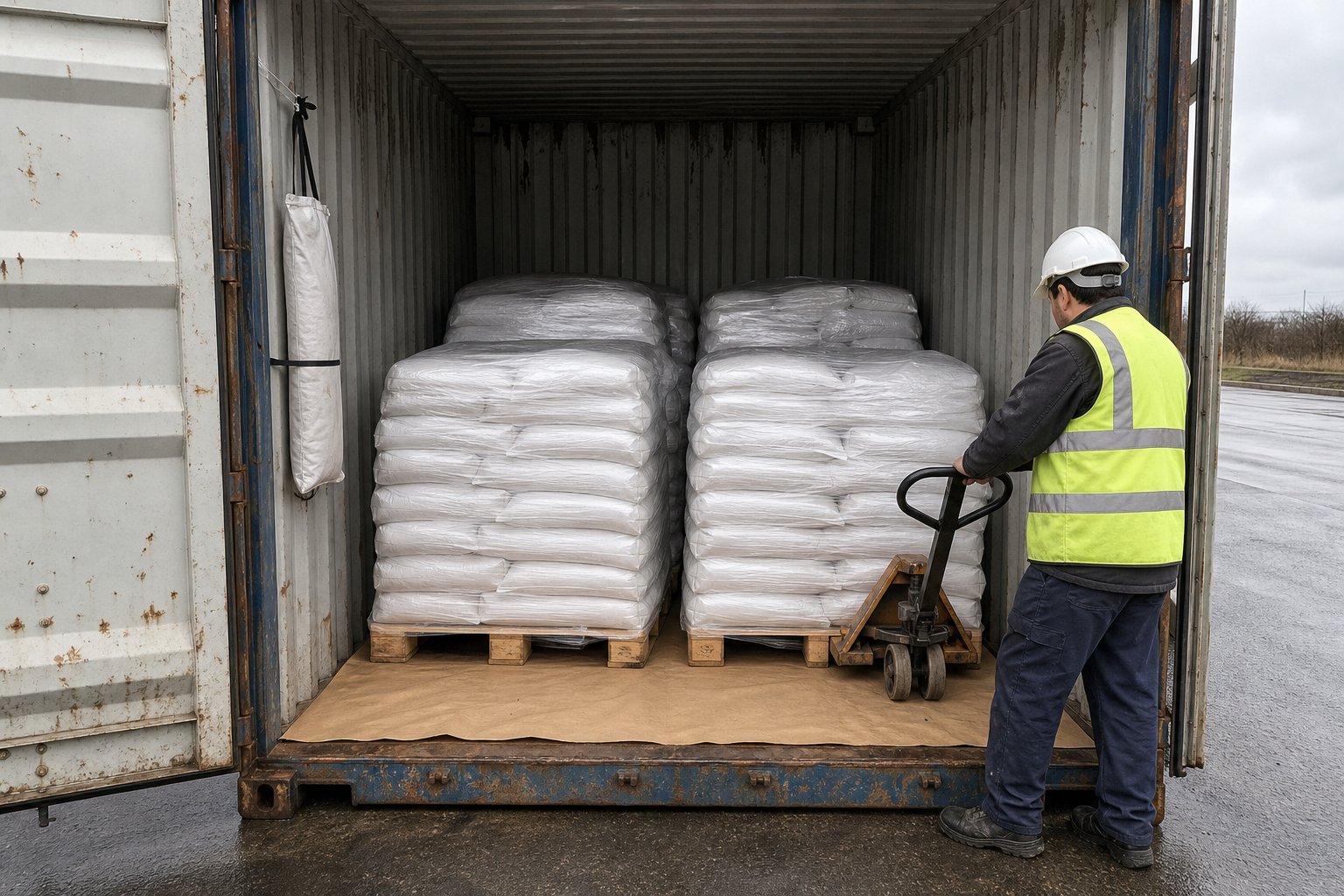
- Packaging integrity and dry storage guidance
- Lead time, pallet configuration and export documents
What to confirm before quotation
| Application | Tile adhesive class, indoor/outdoor use and target market |
| Current material | Supplier grade, viscosity method and dosage range |
| Trial stage | Initial screening, replacement trial or bulk approval |
| Packaging | Standard or OEM bag requirements |
| Quantity | Sample, trial order or planned bulk volume |
| Destination | Country, port and required documentation |
Resolve the final questions before a trial
What viscosity should I use for tile adhesive?
There is no universal value. Viscosity must be compared under the same test method and then validated against your formulation, climate, substrate, tile and desired application behavior.
Can more HPMC solve low bond strength?
Not reliably. HPMC mainly manages fresh-mortar water and rheology. Low bond performance can involve cement, polymer, substrate preparation, coverage, curing or product selection.
Can Jinghong recommend a dosage immediately?
A starting range can only be discussed after reviewing your current grade, formulation context and test method. Final dosage should be confirmed by controlled trials in your system.
Which documents should I request?
Normally request a TDS, batch-specific COA, current SDS, stated test method, packaging information and traceability details. Verify certificate scope and use qualified testing when product classification is required.
How should two samples be compared?
Keep raw-material lots, water, mixing, resting, remixing and environment constant. Record wet density, trowel feel, ridge stability, slip, open time, adjustment and qualified adhesion results separately.
Send your formulation problem and request a matched sample
Tell us what you are making, what is failing and how you currently test it. We will use that context to shortlist a more relevant sample for your controlled trial.
Recommended enquiry fields
Use the site form or email hpmc@jinghonghpmc.com. Fields below define the information needed for a useful recommendation.
Implementation note: connect these fields to the active WordPress form before publication. Do not use this static preview as the final submission form.
Technical scope: performance statements on this page are conditional on the complete formulation and validation method. Relevant background includes research on cellulose-ether water retention in cement mortar and current applicable tile-adhesive test standards. Jinghong does not claim that raw-material specifications alone establish finished adhesive performance.